

In South Florida, it is common for people to begin seeing young kittens appear in neighborhoods around the same time each year. A neighbor may discover a litter in a yard, a stray mother cat may appear with newborn kittens, or someone may find kittens that seem too young to survive on their own. These situations are often connected to a period that rescues refer to as kitten season.
For many community members, the term can be unfamiliar. People may wonder why so many kittens appear at once, when this season typically happens, and how local rescues are able to care for such a sudden increase in young animals. Understanding this pattern helps explain why foster homes, volunteers, and community awareness become especially important during certain times of the year.
This article explains what kitten season means in rescue work, why it occurs in South Florida, and how rescues organize care for kittens that enter their programs during this busy period.
Key Takeaways
- Kitten season refers to the time of year when many kittens are born at once, leading to a surge in kittens needing care from rescues and shelters.
- South Florida’s warm climate often extends kitten season, with rescues seeing increased kitten intake from late winter through much of the year.
- Most kittens entering rescue programs are born outdoors to community cats, stray cats, or unspayed pets.
- Young kittens often need foster homes because they are too small to be adopted immediately and require daily care while they grow.
- Community support during kitten season helps rescues respond effectively, whether through fostering, volunteering, donating supplies, or supporting spay and neuter efforts.
What “Kitten Season” Means in Rescue Work
In animal rescue, kitten season refers to the period of the year when a large number of kittens are born within a short time. During these months, shelters and rescue organizations begin receiving significantly more calls about litters of kittens found outdoors, stray mothers with newborns, or young kittens that need care.
The term is commonly used within the rescue community because the increase happens in a predictable pattern each year. As temperatures rise and outdoor conditions improve, unspayed female cats begin having litters around the same time. This leads to a noticeable surge in kittens entering shelters, foster programs, and community rescue networks.
In rescue work, kitten season affects several parts of the animal welfare system at once:
- Shelters often see an increase in kitten intake
- Foster-based rescues receive more requests for help with litters
- Community cat programs encounter more outdoor kittens needing monitoring or care
Many of the kittens that arrive in rescue programs are born outside to stray or community cats. Others may come from unexpected litters when household pets have not yet been spayed.
For rescues, kitten season is a time when planning and coordination become especially important. Foster homes, volunteers, and veterinary partners all play a role in helping kittens receive safe care until they are healthy and ready for adoption.
When Kitten Season Happens in South Florida
The timing of kitten season depends heavily on climate. In colder parts of the country, the season typically begins in early spring and slows down by late summer. Outdoor cats are less active during colder months, so most litters arrive within a shorter window each year.
In South Florida, the pattern is different. Warm temperatures throughout the year allow cats to reproduce more frequently, which can extend kitten season much longer than in northern states.
Because of the climate in this region, rescues in Broward County and surrounding areas often begin seeing an increase in kittens as early as late winter. Intake may remain elevated through much of the year.
A simplified comparison helps illustrate the difference:
| Region | Typical Kitten Season Timing |
| Northern climates | Spring through early fall |
| South Florida | Late winter through fall, sometimes year-round |
At our rescue, kitten intake often begins rising earlier than many people expect. Warm weather allows outdoor cats to breed in multiple cycles, which means litters can appear in several waves rather than one short surge.
This longer season is one reason local rescues rely heavily on foster networks. When kitten numbers increase across several months, having prepared foster homes allows rescues to safely care for more kittens as they arrive.
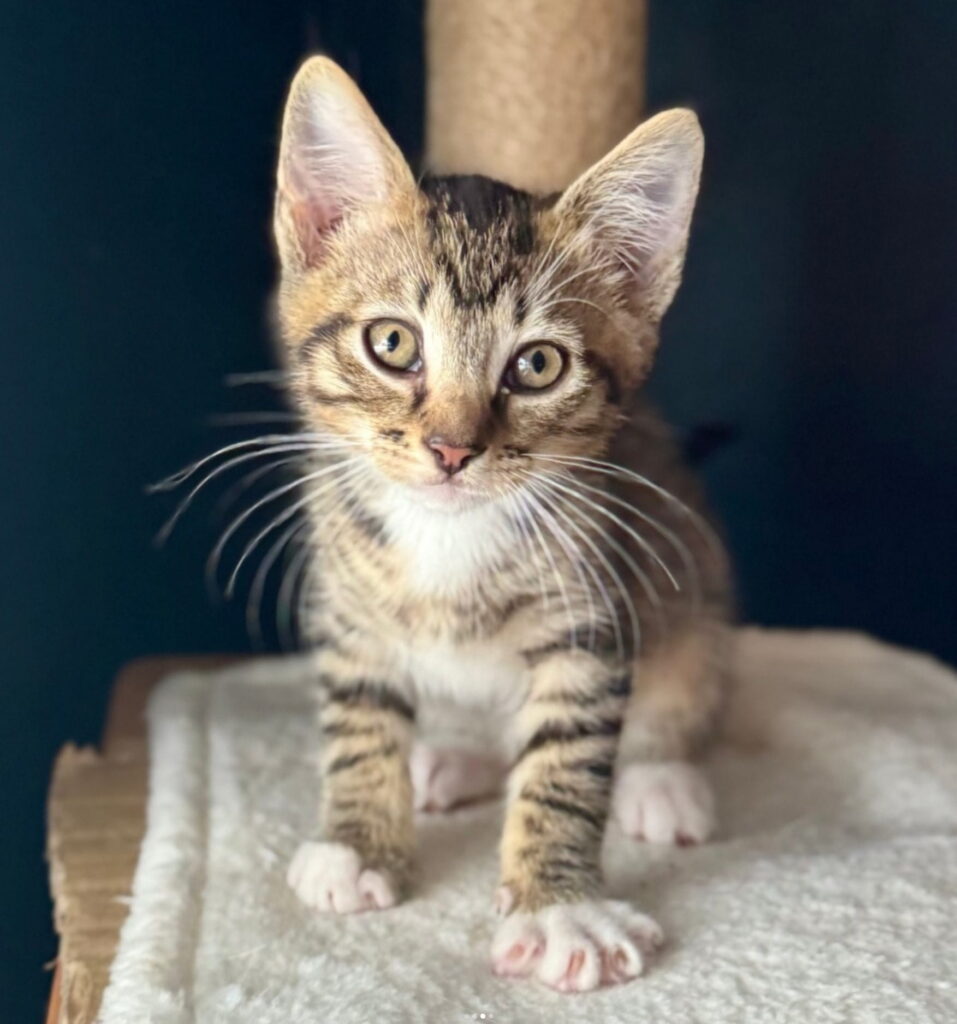
Why So Many Kittens Are Born During This Time
The large number of kittens seen during kitten season is primarily the result of natural breeding cycles combined with environmental conditions. When temperatures are warm and food sources are available, outdoor cats are more likely to reproduce. In climates like South Florida, those conditions are present for much of the year.
Female cats can begin reproducing at a relatively young age and may have multiple litters within a single year. If a cat is not spayed, the cycle can repeat quickly. Over time, this leads to a rapid increase in the number of kittens born in a community.
Several factors contribute to the surge in kittens during this period:
- Early reproductive age – Cats can begin having litters before they are a year old.
- Multiple litters per year – A single female cat may have more than one litter annually.
- Outdoor cat populations – Community cats and stray cats often reproduce without intervention.
- Unspayed pets – Household cats that are not yet spayed may also have unexpected litters.
Many kittens that enter rescue programs are born outdoors to community cats or stray cats. Others come from situations where owners were unable to manage an unexpected litter.
Because these factors occur across entire neighborhoods at the same time, rescues often see a noticeable increase in kittens needing care during kitten season.
Why Kitten Season Is Challenging for Animal Rescues
When kitten season begins, the number of kittens needing help can increase quickly. Rescues, shelters, and community programs may start receiving multiple calls each week about litters found outdoors or young kittens that need care. This sudden rise in intake can place pressure on organizations that rely on limited space, volunteers, and foster homes.
One challenge is simply the volume of kittens arriving within a short period of time. Many rescues operate with small teams and rely on foster families rather than a physical shelter. When several litters appear at once, placement planning becomes important so each kitten can receive proper care.
Very young kittens also require more attention than older cats. Some may arrive with their mother, while others may be found without one. Depending on their age and condition, kittens may need:
- frequent feeding and monitoring
- a warm and quiet space to grow
- basic health checks and veterinary care
- safe socialization with people
Because of these needs, foster homes play an essential role during kitten season. Foster families provide the daily care that allows rescues to continue accepting kittens when intake increases.
At our rescue, foster placements allow kittens to grow in a calm home environment while our team coordinates veterinary support and prepares them for eventual adoption.
What Happens to Kittens That Enter Rescue During Kitten Season
When kittens enter a rescue program during kitten season, the goal is to provide safe care while they grow and become ready for adoption. Most kittens arrive very young and are not yet old enough to be adopted. Because of this, rescues follow a structured process that focuses on health, stability, and gradual development.
While each situation can vary, kittens entering rescue typically move through several stages of care.
| Stage | What Happens |
| Intake and initial check | The rescue assesses the kittens’ condition and determines what support they need. |
| Foster placement | Kittens are placed in a foster home where they can receive daily care in a calm environment. |
| Growth and socialization | Foster families help kittens become comfortable with people and everyday household activity. |
| Veterinary care | The rescue coordinates health checks, vaccinations, and other necessary care. |
| Adoption preparation | Once kittens are healthy and old enough, they are prepared for adoption. |
At our rescue, foster families provide the day-to-day care while our team organizes veterinary support and adoption planning. This structure allows kittens to grow safely while ensuring their health needs are monitored.
How the Community Can Help During Kitten Season
Because kitten season brings a large number of kittens into rescue at the same time, community support becomes especially important. Foster homes, volunteers, and local supporters all play a role in helping rescues respond safely and responsibly.
For many rescues, foster homes have the greatest impact. Foster families provide a temporary home where kittens can grow, receive daily care, and prepare for adoption. When more foster homes are available, rescues are often able to help more kittens during the busiest months of the year.
For people who are interested in helping directly, fostering is often one of the most practical ways to support local rescue efforts. The process is designed to be manageable, and rescues typically provide guidance and veterinary support. Readers who want to understand how the program works can learn more about the details of the rescue’s kitten foster program.
Community members can also support rescue efforts in other ways during kitten season.
Common ways people help include:
- Volunteering with rescue events or administrative tasks
- Donating supplies, such as kitten food, litter, or cleaning materials
- Supporting spay and neuter efforts to reduce future litters
- Sharing adoption listings so kittens can find permanent homes
When local communities understand what kitten season is and how rescues operate, it becomes easier for people to contribute in ways that make a meaningful difference.
Why Kitten Season Awareness Matters for South Florida Communities
Understanding kitten season helps communities respond more effectively when young cats begin appearing in neighborhoods. When people recognize that this period brings a predictable increase in kitten births, they are more likely to know when and how to respond responsibly.
In areas with warm climates, outdoor cats can reproduce more frequently. Without awareness and community involvement, this can lead to growing populations of stray or community cats over time. Rescue organizations, shelters, and local volunteers work together to manage these challenges, but long-term progress depends on broader public understanding.
Community awareness supports several important outcomes:
- Earlier intervention when litters are discovered outdoors
- Increased participation in foster programs during busy months
- Greater support for spay and neuter efforts that prevent future litters
- More successful adoptions when kittens are ready for homes
Rescues rely on this type of community involvement to manage kitten season responsibly. When residents understand what kitten season is and why it occurs, they are better prepared to support local rescue efforts in practical ways.
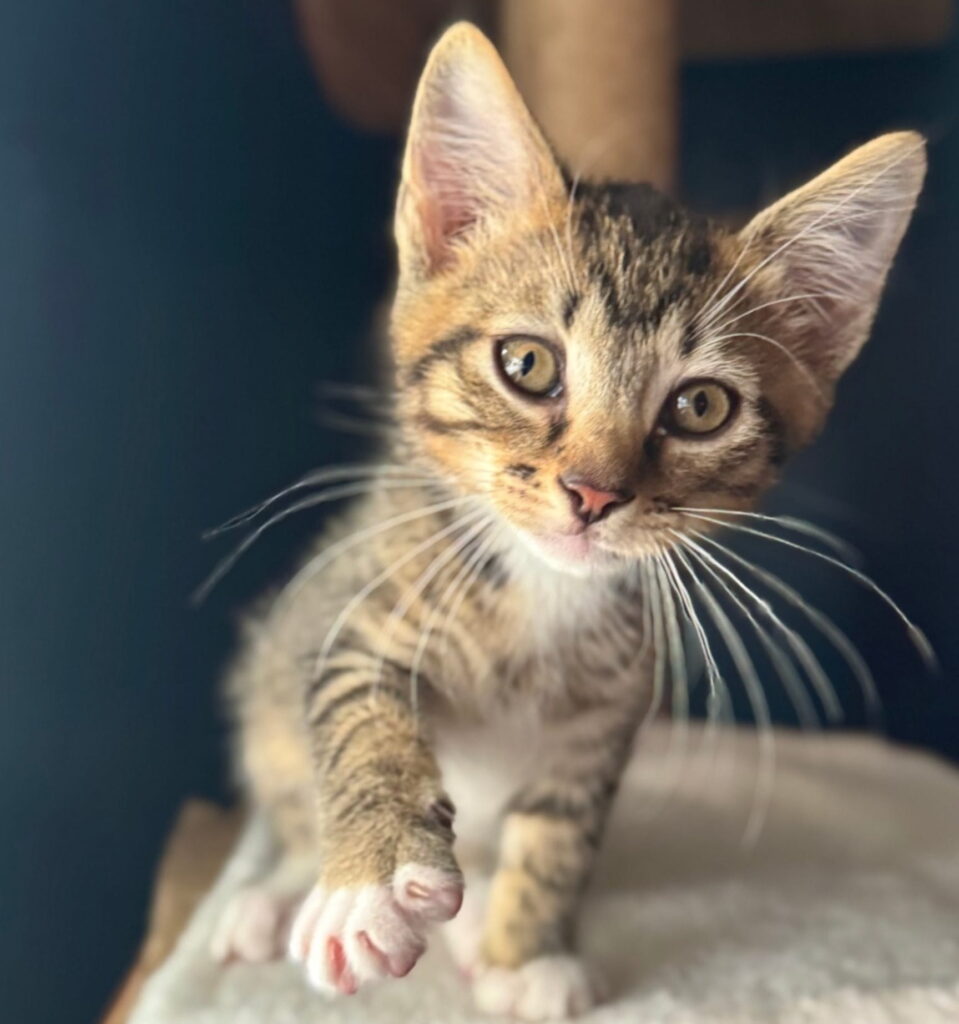
Kitten season is a predictable part of animal rescue work. Warmer climates allow cats to reproduce more frequently, which means rescues in South Florida often care for a steady stream of young kittens across several months each year. With the right planning and community support, these kittens can receive safe care while they grow and prepare for adoption.
For foster-based rescues, the ability to respond during kitten season depends largely on the availability of foster homes and volunteers who are willing to help provide temporary care. When communities understand how kitten season works, it becomes easier for rescues to coordinate support and ensure kittens receive the attention they need.
Readers who are interested in helping local rescue efforts can see how our foster programworks to learn how foster homes support kittens until they are ready for their permanent homes.