
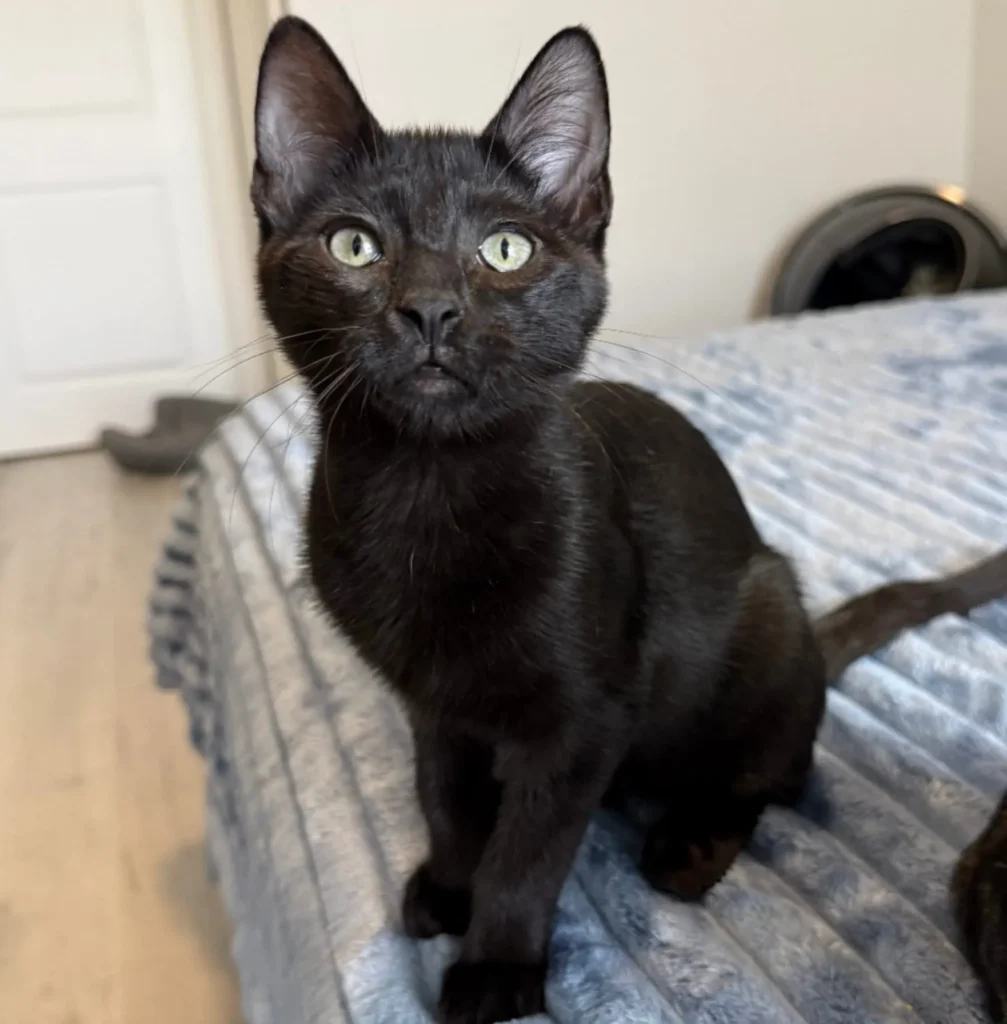
In South Florida, kitten season can stretch through much of the year. During busy periods, we may receive multiple requests involving kittens within a short time.
One message may be about a mother cat with four kittens. The next may involve weaned kittens found outdoors. Each case needs somewhere safe to go, and foster space can fill quickly.
That is why kitten season creates such an urgent need for foster homes in South Florida. The number of kittens needing care can rise much faster than the number of available homes.
Here is what that looks like for a foster-based rescue and why temporary foster space matters.
Key Takeaways: Is Fostering During Kitten Season a Realistic Way to Help?
- Kitten season increases the number of young kittens needing temporary care before adoption.
- Foster availability can affect whether a rescue has safe space for another litter.
- Not every kitten foster placement involves bottle feeding or advanced care.
- A bathroom, spare bedroom, or other secure indoor room may work for some placements.
- Many foster placements last a few weeks while kittens grow, receive veterinary care, and prepare for adoption.
What Is Kitten Season?
Kitten season is the part of the year when more unspayed cats are giving birth and more litters begin showing up in shelters and rescue requests.
South Florida’s warm climate can make this period feel especially long. Instead of a short burst of kittens, rescues may continue receiving requests involving young litters over many months.
The numbers can increase quickly because one case rarely means one cat. A request involving a mother cat may also involve four, five, or six kittens that need to remain together.
Those kittens may be too young for adoption and need several weeks of care first. Our guide to fostering cats in Broward County explains how temporary foster homes fit into local rescue work.
During kitten season, the immediate problem is often simple: where can the kittens safely stay?
Young Kittens Often Need Placement Quickly
A young kitten’s condition can change faster than an adult cat’s.
Kittens may arrive underweight, recently weaned, or still learning to eat reliably. Some are found outdoors after an unknown amount of time without regular food or close observation.
A foster home gives us a place where someone can see what happens throughout the day. Is each kitten eating? Is one kitten less active than the others? Is everyone using the litter box? Has a kitten suddenly started hiding or refusing food?
These details are much easier to notice when a litter is living in a foster room and someone sees them every day.
Not every placement requires medical experience. We match kittens based on their care needs and the foster’s experience. Bottle-fed or medically fragile kittens need a different level of care than two weaned kittens who mainly need meals, cleaning, observation, and transportation for scheduled care.
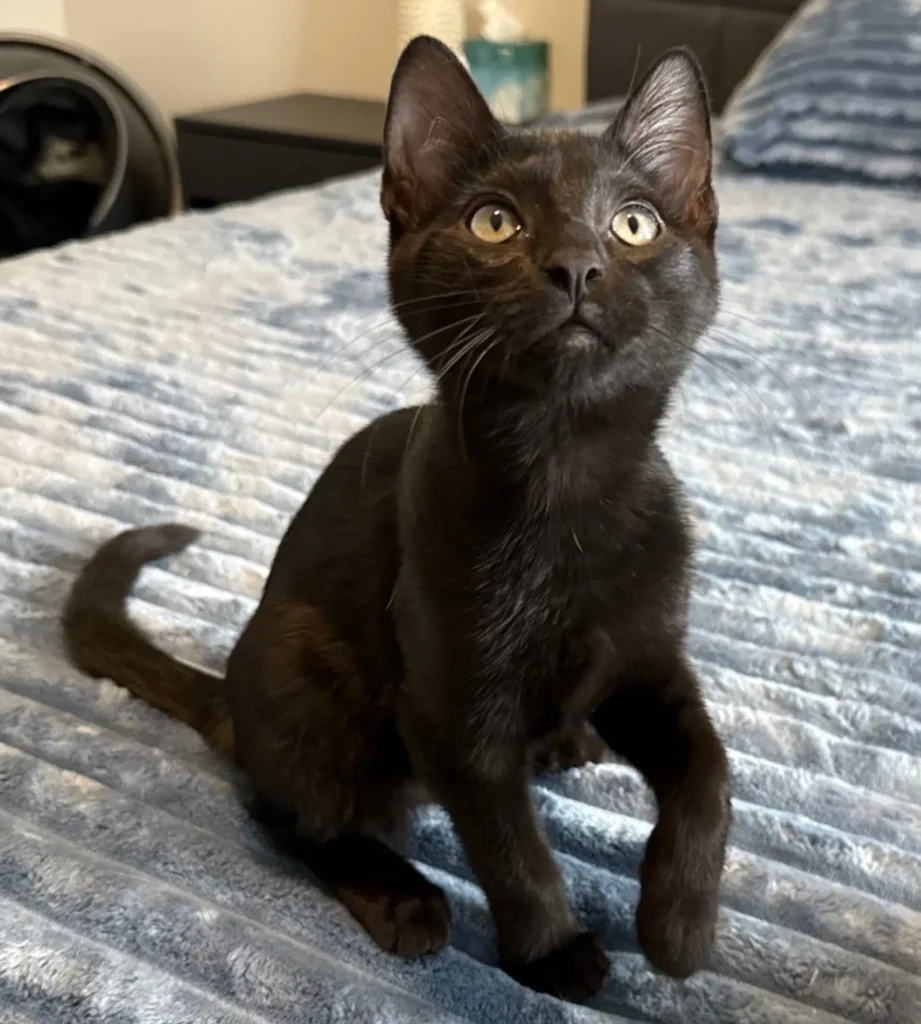
Foster Space Can Fill Faster Than Intake Requests Slow Down
Happy Whiskers Animal Coalition is foster-based. We do not have rows of kennels waiting for the next litter.
When our available foster homes are full, finding space for another intake becomes much harder.
For example, we may hear about a mother cat with newborn kittens in the morning and three older kittens later that day. The first group needs a quiet room where the mother can care for her litter. The second group may be weaned but still too young for adoption.
Those are two different placements requiring two available spaces.
During busy months in Broward County, foster coordination also overlaps with supply pickup, veterinary appointments, and transportation. An open foster home gives us somewhere to place the kittens while those next steps are arranged.
Some Kittens Need Closer Observation Before Adoption
Very young, underweight, or recently ill kittens may need more frequent observation than an adult cat.
A foster may need to watch meals, track weight when requested, give medication, or report changes in energy and litter box habits. A mother cat with kittens may need a quiet room where the family can stay together while the kittens grow.
This is one reason foster space is especially useful during kitten season. Kittens can remain in a home while we coordinate approved veterinary care and decide what they need next.
We give foster families care instructions for their placement. If a foster is new, we do not expect them to independently take on a bottle-fed or medically complicated litter without the appropriate preparation.
One Foster Placement Can Open Space for the Next Case
When a foster takes a litter, those kittens may stay in that home for several weeks.
During that time, we can coordinate veterinary care, track their progress, and prepare them for adoption without needing to find another temporary location every few days.
That stability also helps with rescue coordination. Volunteers know where supplies need to go. Vet transportation can be planned around the foster location. We can collect updates from someone who sees the kittens every day.
Most importantly, kittens already in care are not occupying another potential foster space.
If a foster home in Coral Springs takes two weaned kittens, another available home may be able to take a mother cat and her litter. Foster capacity affects which new cases we can realistically coordinate.
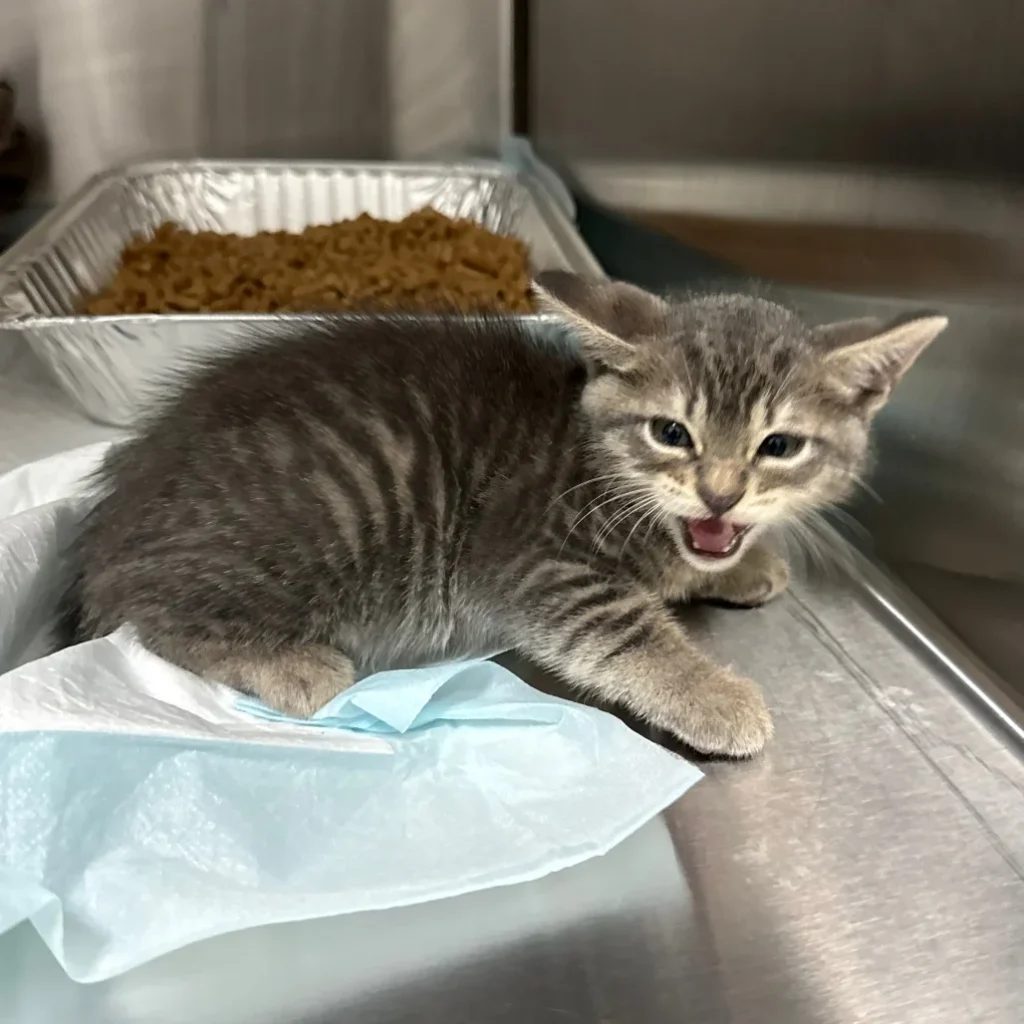
Thinking About Fostering During Kitten Season in South Florida?
You do not have to bottle-feed newborn kittens to help during kitten season.
Some foster homes care for older, weaned kittens for a few weeks. Others have a quiet room suitable for a mother cat and her litter. The placement depends on the space, schedule, and type of care the foster can provide.
At Happy Whiskers, we provide supplies, approved veterinary care, care instructions, and ongoing support. We need fosters to handle daily care, communicate changes, and help with scheduled handoffs or appointments when arrangements are made.
If you live in Broward County or nearby South Florida communities and have temporary indoor space, you can learn how our foster program works.