
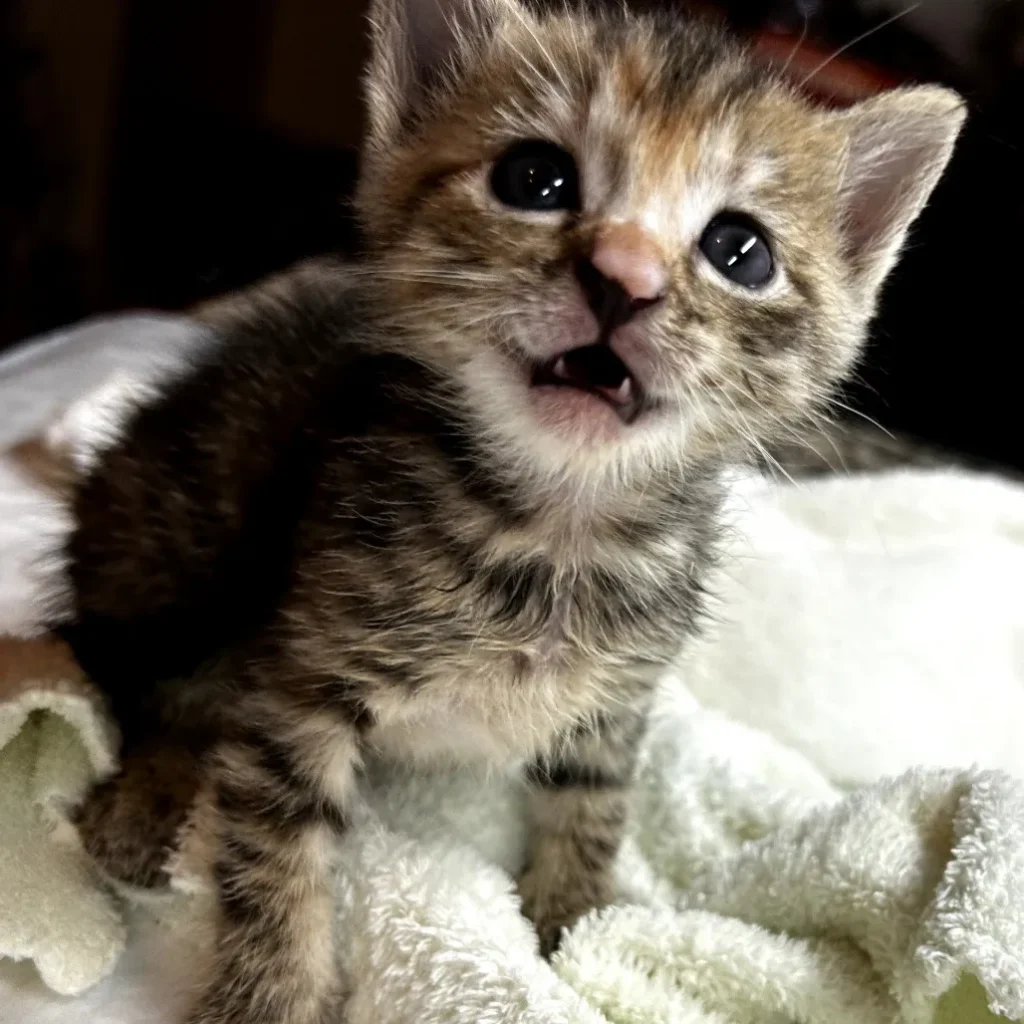
What do kittens learn in a foster home before adoption?
Some kittens enter foster care comfortable with people. Others hide when someone enters the room, resist handling, or have never used a litter box indoors.
A foster home gives us time to see those behaviors and work with the kitten through normal daily care. Feeding, cleaning, play, and brief handling all show us how the kitten responds and where they may need more time.
Here are seven kitten behaviors foster homes help shape before adoption.
Key Takeaways: What Do Foster Homes Help Kittens Learn Before Adoption?
- Calm, repeated interaction can help kittens become more comfortable around people.
- Gentle handling prepares kittens for basic care and carrier trips.
- A simple litter box setup helps kittens build consistent bathroom habits.
- Normal household activity shows us how kittens respond to everyday sounds and movement.
- Toy-based play helps redirect biting and grabbing away from hands.
- Foster observations give us specific behavior to discuss with potential adopters.
1. Learning to Feel Safe Around People
A kitten found outdoors or moved through several unfamiliar places may hide when they first enter foster care.
We do not expect immediate affection.
A foster may sit in the room during meals, speak quietly while cleaning, or use a wand toy without approaching the kitten directly. The first change may be as simple as the kitten staying visible when the foster enters.
Later, the kitten may eat while someone is nearby or approach for play.
Trust develops through repeated interactions the kitten learns are safe.
These small changes tell us how the kitten is responding to people and whether they may need a slower adjustment period after adoption.
Our guide to fostering cats in Broward County explains how temporary homes fit into foster-based rescue locally.
2. Getting Comfortable With Gentle Handling
Kittens need to tolerate some handling for normal care.
A foster may need to pick up a kitten briefly, check their body, place them in a carrier, or help prepare them for a veterinary appointment.
For a nervous kitten, handling may begin slowly. The foster might briefly touch the kitten while they eat or lift them for only a few seconds before putting them down.
We watch the kitten’s response rather than repeatedly forcing contact.
The goal is not to make every kitten enjoy being held. Some cats prefer attention with all four paws on the floor.
We want to learn what the kitten accepts and help basic care become less frightening.
3. Practicing Consistent Litter Box Habits
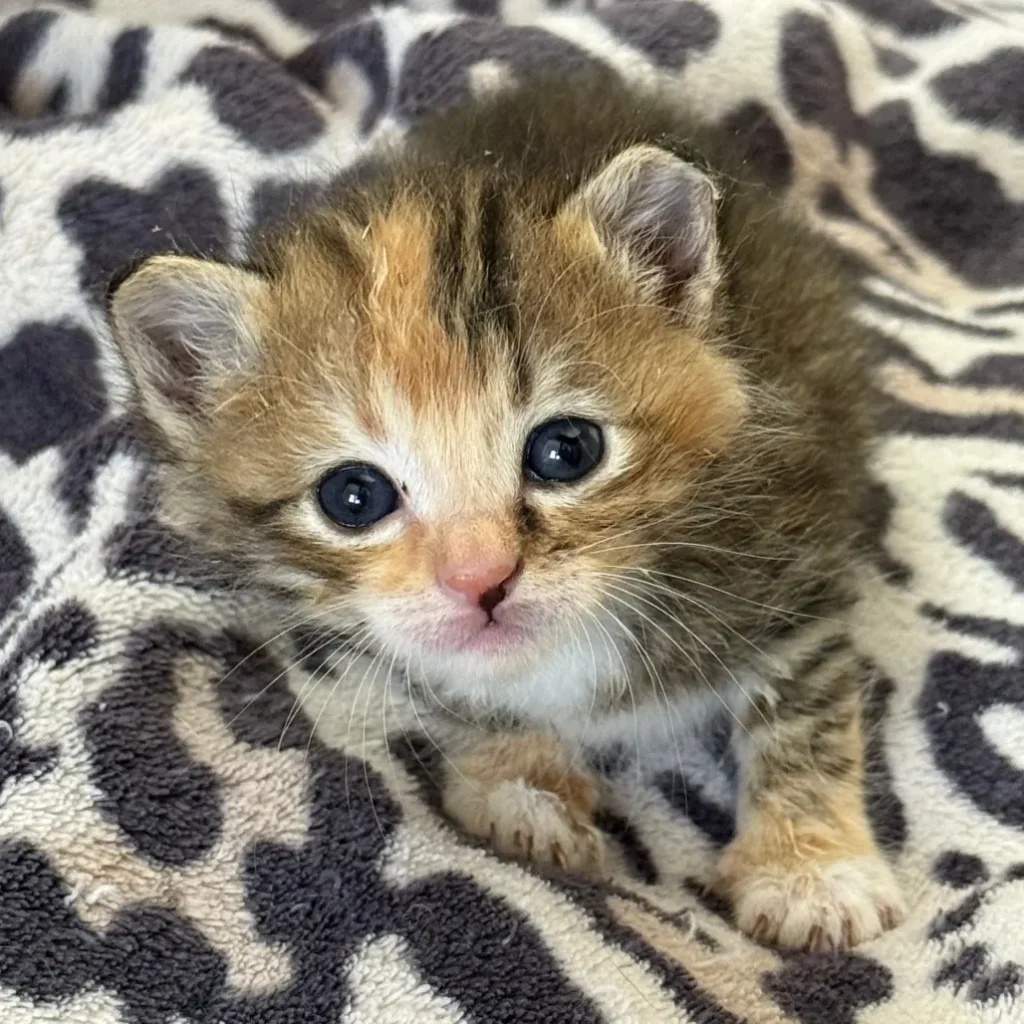
Foster homes give kittens a simple setup for learning litter box habits.
Young kittens may begin with a low-sided box that is easy to enter. Keeping the box in a known location also makes it easier for the foster to see whether the kitten is using it consistently.
Accidents give us information too.
If a kitten suddenly stops using the box, strains, or develops loose stool, we want the foster to tell us. A litter box change is not always a behavior problem.
Daily litter box observation can tell us something about both habits and health.
By adoption, we can give potential adopters more specific information about the kitten’s normal litter box routine.
4. Adjusting to Normal Household Sounds
A foster home exposes kittens to ordinary home activity.
Doors open. People talk. Water runs. Someone walks through the room carrying laundry.
For a nervous kitten, that exposure should happen gradually. The kitten still needs somewhere to hide and should not be surrounded by loud activity simply to “get them used to it.”
We watch how quickly they recover after a sound or movement.
One kitten may investigate immediately. Another may hide when the door opens but return to play several minutes later.
Those reactions help us understand how the kitten handles normal household activity and what an adopter may see during the first days at home.
5. Learning to Play Without Using Hands as Toys
Kittens bite, grab, chase, and pounce during play.
Fosters can redirect that activity toward appropriate toys instead of encouraging the kitten to attack fingers or feet.
A wand toy gives the kitten something to chase at a distance. Small cat-safe toys provide something to bat and carry.
If a kitten becomes overstimulated and begins grabbing hands, the foster can stop the interaction rather than continuing rough play.
Hands should not become the kitten’s regular play target.
We do not expect a young kitten to have perfect play manners before adoption. Repeated toy-based play gives them a better routine to continue in the adoptive home.
6. Settling Into Home Routines and Safe Social Exposure
Kittens begin learning the rhythm of a home while in foster care.
They learn when meals arrive, where the litter box is, and which people regularly enter their space. Over time, we see whether they approach quickly or need several minutes before coming out.
Some kittens may also have safe exposure to other cats when appropriate.
That does not mean every foster kitten should immediately meet resident pets. Health status, age, and behavior affect when or whether introductions make sense.
When interaction is appropriate, it should be coordinated carefully rather than rushed.
A foster may notice that a kitten constantly seeks another kitten for play and sleep. Another may appear more relaxed when housed separately.
Those details can affect how we describe the kitten to adopters.
7. Showing Us What the Kitten May Need After Adoption
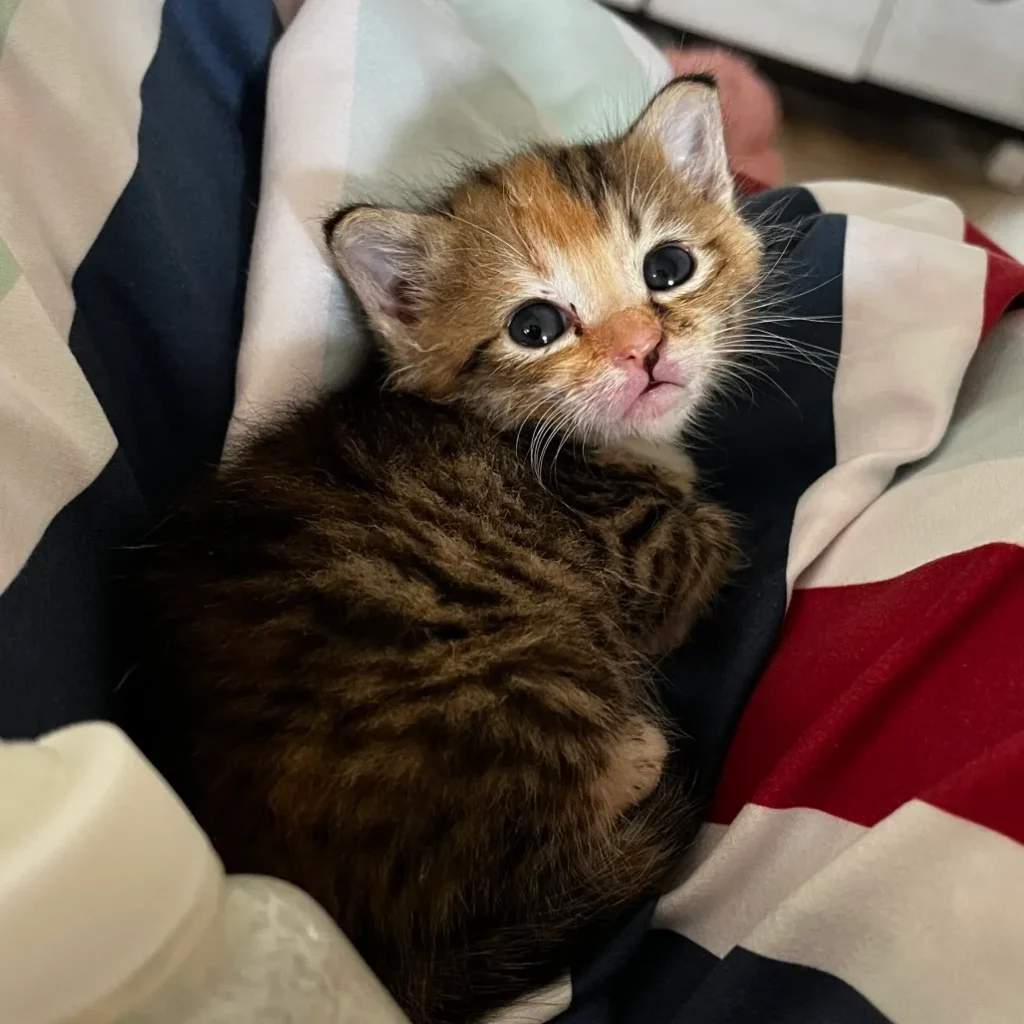
Several weeks of daily care can reveal patterns that a short adoption meeting cannot.
A foster may tell us that a kitten approaches new people quickly but dislikes being held. Another kitten may hide when someone first enters, then come out for a wand toy within ten minutes.
Those are useful adoption details.
We can also learn about energy level, litter box habits, play style, and whether the kitten regularly seeks out other cats.
Specific foster observations give adopters clearer expectations than labels such as “sweet” or “shy.”
The foster does not need to write a formal behavior report. We need clear examples of what they see during normal care.
Thinking About Fostering Kittens in South Florida?
You do not need to train kittens professionally.
We need foster families to provide daily care, follow the care instructions for the placement, and tell us what they observe.
That may mean letting us know a kitten has stopped eating, is consistently using the litter box, has begun approaching people, or becomes distressed when separated from another kitten.
For Happy Whiskers Animal Coalition, those updates help us coordinate care and prepare better adoption information.
If you are considering fostering kittens in Broward County or nearby South Florida communities, you can learn how our foster program works and tell us about your home, schedule, and resident pets.