
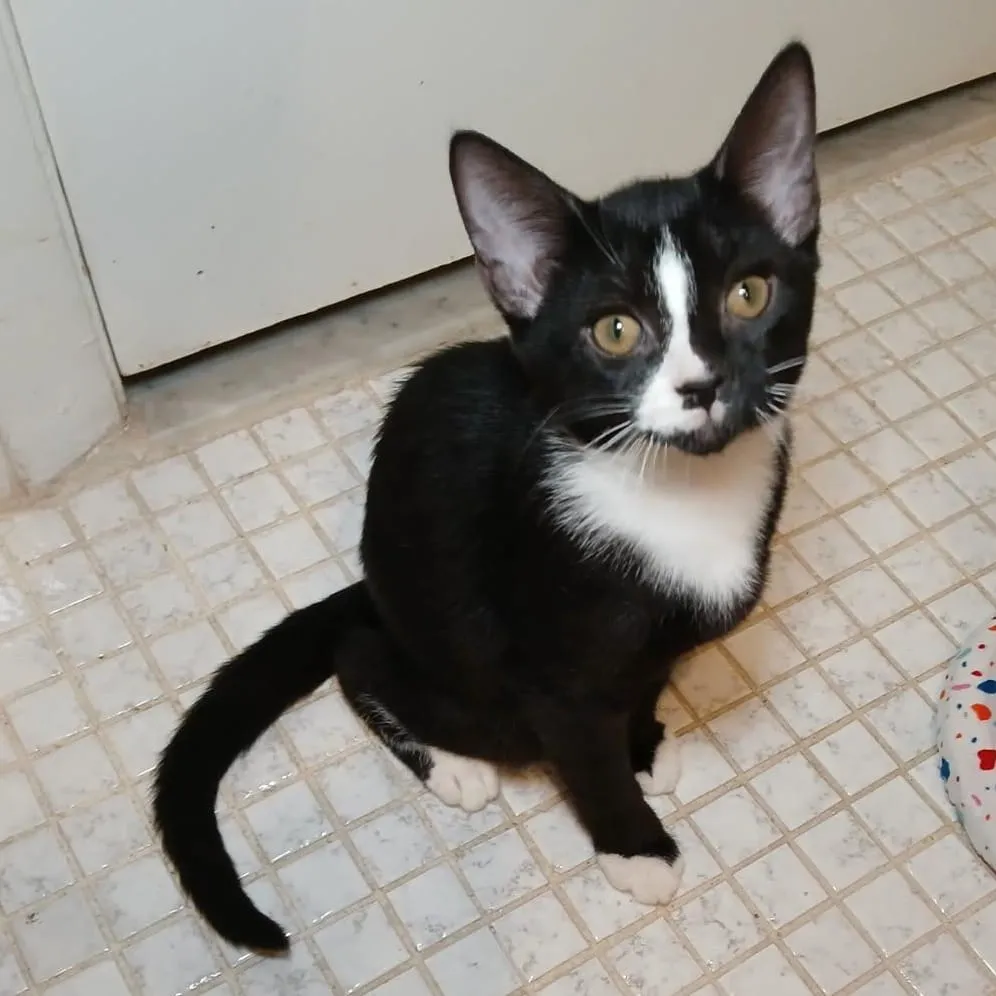
Keeping cats indoors is one of the most practical ways to protect them in South Florida.
Heat, heavy rain, hurricane conditions, traffic, and year-round parasite exposure create risks that can be difficult to control once a cat is outside. For a newly adopted rescue cat, there is another problem: the cat does not yet know the new home or surrounding neighborhood.
If you are considering adoption, you may wonder whether a cat really needs to stay indoors.
Here’s why indoor cats in South Florida are better protected and why we want rescue cats to have secure indoor homes.
Key Takeaways: Why Does Indoor Care Matter for Rescue Cats in South Florida?
- Indoor cats are protected from South Florida heat, storms, traffic, and many outdoor injuries.
- Newly adopted cats can become disoriented if they escape into an unfamiliar neighborhood.
- Indoor care makes it easier to monitor eating, litter box use, hiding, limping, and other behavior changes.
- A smaller indoor space can help a new cat settle during the first days at home.
- Indoor cats still need play, scratching surfaces, climbing opportunities, and daily interaction.
South Florida Weather Creates Risks for Outdoor Cats
South Florida weather can change outdoor conditions quickly.
A cat may regularly hide under a porch, vehicle, or shed. During heavy rain, that same area can flood. Strong winds can move debris, damage fencing, or block a route the cat normally uses.
Heat creates another concern. Outdoor cats do not always have reliable access to cool spaces and clean water, especially around parking lots, commercial areas, or neighborhoods where their usual hiding places receive direct sun.
Hurricane preparation is also much harder when a cat lives outside or regularly roams.
An indoor cat can be located, placed in a carrier, and moved if an evacuation becomes necessary. With an outdoor cat, a caregiver may not know where the cat is when storm conditions begin.
Keeping a cat indoors removes many of the weather risks we cannot control once the cat leaves the home.
Our guide to adopting a cat in South Florida explains other local considerations when preparing to bring a rescue cat home.
Traffic and Parking Areas Are a Daily Risk
Broward County has busy roads, apartment parking areas, shopping plazas, and residential streets that connect quickly to heavier traffic.
A cat does not need to travel far to be injured.
For a newly adopted cat, getting outside is especially concerning. The cat has not had time to learn the new home’s sounds, smells, or surroundings. If frightened, they may run, hide nearby, or cross a road while trying to find cover.
This is why doors, damaged window screens, patios, and garages deserve extra attention after adoption.
We often expect a new cat to hide indoors during the first few days. If that same frightened cat slips outside, finding them becomes much harder.
A secure indoor home gives the cat time to learn where food, water, litter boxes, and safe resting places are without also dealing with traffic and an unfamiliar neighborhood.
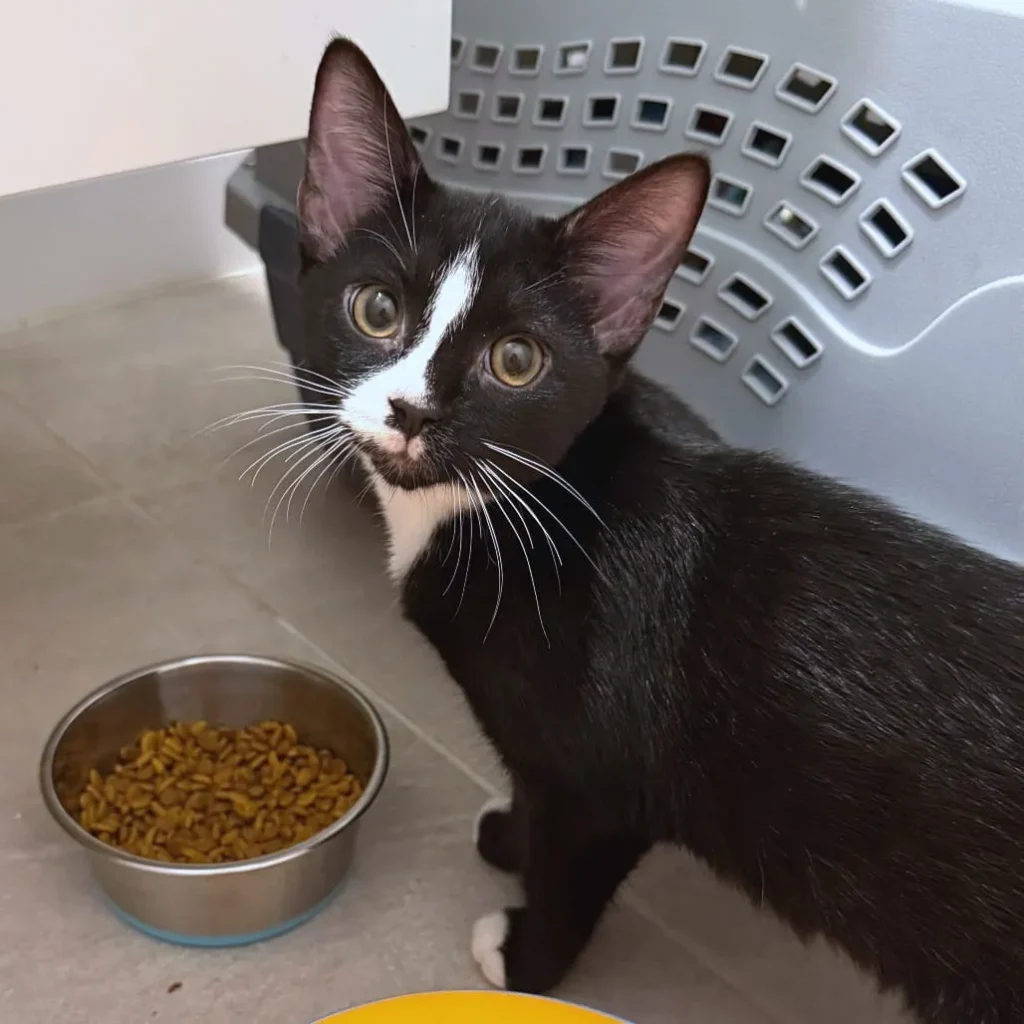
Indoor Cats Have Less Exposure to Parasites and Outdoor Injuries
South Florida’s warm climate means fleas and mosquitoes can remain a concern throughout much of the year.
Cats outdoors may also encounter other cats and animals. Bite wounds can be difficult to see under fur and may become swollen or infected before a caregiver realizes the cat was injured.
Indoor living reduces those exposures.
It also makes observation easier.
If a cat stops eating, uses the litter box differently, begins hiding more than usual, or develops a limp, an indoor caregiver has a better chance of noticing the change.
For rescue cats, this is particularly useful during the first days and weeks after adoption. We want adopters to learn what is normal for that individual cat.
You cannot track eating or litter box habits well if the cat regularly disappears outside for hours.
Indoor Space Helps a New Rescue Cat Settle
A newly adopted cat does not need immediate access to an entire house.
Some cats do better beginning in one quiet room with food, water, a litter box, and places to hide safely. A shy cat may stay under a bed or inside a covered resting area before beginning to explore.
That gives the adopter a chance to watch whether the cat is eating, drinking, and using the litter box.
A smaller area can also make changes easier to notice.
If food remains untouched overnight or the litter box has not been used, the adopter knows. In a large home with multiple pets and feeding areas, those details can be harder to track.
As the cat settles, access to the home can expand based on their behavior and the household setup.
The first goal is to help the cat learn that the new indoor space is safe.
Indoor Cats Still Need Activity and Places to Use Normal Cat Behaviors
Keeping a cat indoors does not mean expecting them to sleep on a couch all day without stimulation.
Cats need appropriate places to scratch, climb, hide, watch, and play.
A scratching post gives the cat somewhere to stretch and use their claws. A window perch provides a place to watch outdoor activity without roaming. Wand toys and short play sessions give cats a way to chase and pounce.
The setup does not need to be elaborate.
What matters is paying attention to the individual cat. A young kitten may need several active play sessions. A shy adult may spend more time watching from a covered bed before showing interest in toys.
Foster observations can help adopters understand what the cat already enjoys and which routines worked before adoption.
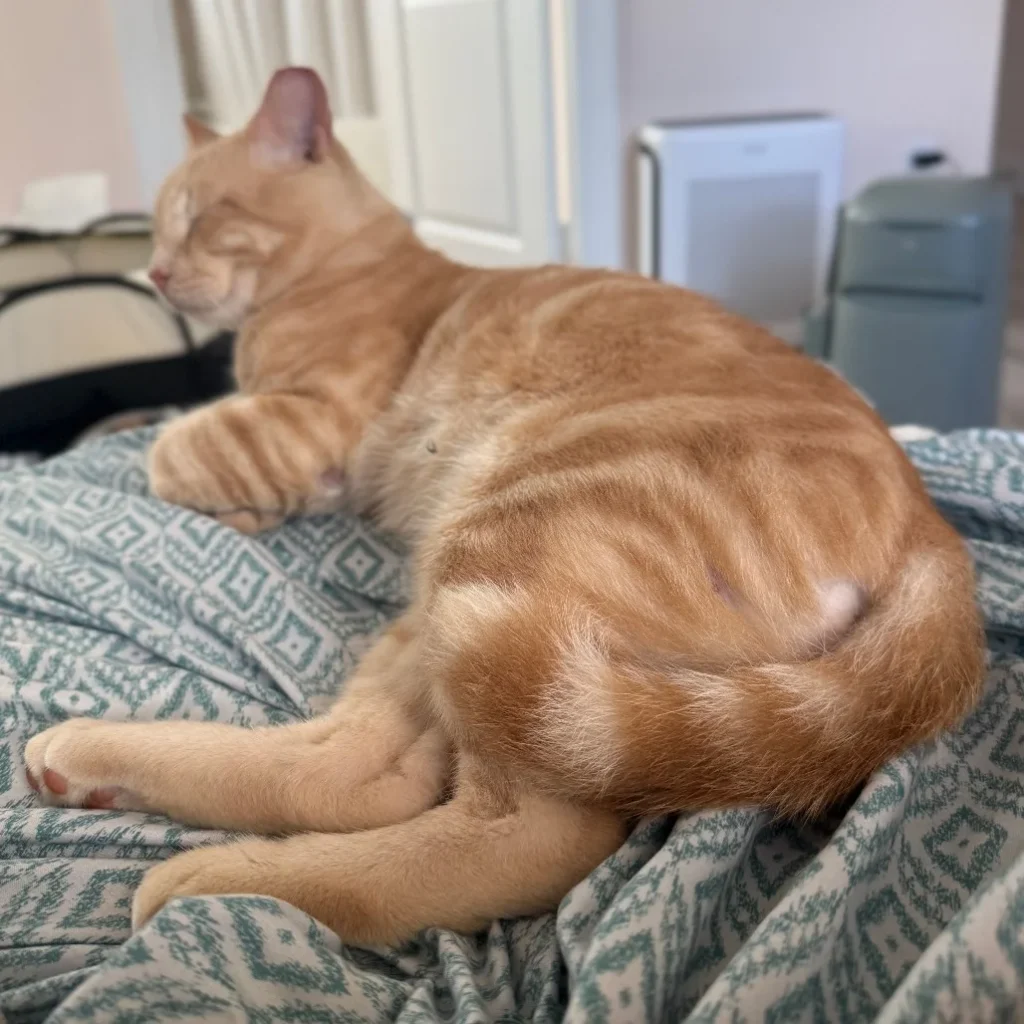
Why Indoor Homes Matter for Adopted Cats in South Florida
When we place a cat for adoption, we want the adopter to be able to monitor that cat and keep them protected while they adjust.
The first days at home tell you a lot.
Is the cat eating? Are they using the litter box? Do they hide when someone enters the room? Are they beginning to play at night? Have they found a resting place where they seem comfortable?
Those observations are easier when the cat stays indoors.
They are especially useful for kittens, shy adults, and cats that recently received veterinary care. If something changes, the adopter has specific information to work with rather than trying to guess what happened while the cat was outside.
If you are considering providing a rescue cat with a protected indoor home, you can learn more about adopting through Happy Whiskers and see cats currently looking for homes.