

What does it actually mean to choose the right cat for your home in South Florida? For many people in Broward County and nearby communities, the decision feels less about interest and more about uncertainty. There is often a gap between wanting to adopt and feeling confident about what daily life with a cat will realistically look like.
That uncertainty usually comes from trying to predict everything at once—personality, energy level, adjustment time, and long-term fit. It can make the decision feel more complicated than it needs to be, especially when different cats seem appealing for different reasons.
This article focuses on the kinds of thoughts that tend to come up right before adoption: second-guessing traits, overthinking ideal scenarios, and wondering whether emotional connection alone is enough. The goal is to help clarify what actually matters when choosing a cat, so the decision feels more grounded and practical rather than uncertain or overwhelming.
Key Takeaways: How do you know if you’re choosing the right cat?
- Choosing the right cat depends more on daily lifestyle fit than on personality labels or first impressions.
- Early behavior is often shaped by adjustment time, so decisions should not rely on the first few days.
- Energy levels are flexible and usually change based on environment, routine, and comfort in the home.
- Emotional connection is important but should be balanced with practical considerations like schedule and household activity.
- Most uncertainty comes from unclear expectations, not from lack of readiness to adopt.
- A good match is one that feels manageable in everyday life, not one that fits an idealized version of home.
1. You’re Focusing on “Perfect Cat Traits” Instead of Compatibility
Most adoption uncertainty comes from focusing on specific personality labels instead of overall lifestyle compatibility. People often try to choose the right cat by searching for fixed traits like “calm,” “friendly,” or “good with kids,” but those labels rarely predict how a cat will actually behave in a new home.
Why personality labels don’t tell the full story
Adoption searches often start with narrow expectations, such as:
- “quiet indoor cat”
- “super affectionate cat”
- “cat that gets along with dogs”
These descriptions feel helpful, but they don’t capture how much a cat’s behavior changes once it leaves a shelter or foster environment.
A cat that seems shy in a new setting may become social once it feels safe. A playful cat may appear calm during the first few days simply because it is adjusting. Behavior is shaped heavily by environment, routine, and how much time the cat needs to settle.
A cat’s personality is consistent, but its behavior is situational.
How rescues actually evaluate compatibility
Instead of relying on labels, placement decisions are based on observed behavior over time in a home environment. This usually includes:
- How the cat responds to routine feeding schedules
- Whether it seeks attention or prefers space after adjusting
- Its reaction to noise, people, and other pets once settled
Most foster placements show meaningful behavioral clarity only after a short adjustment period, often within the first 1–2 weeks in a home environment. Before that, behavior can reflect stress rather than personality.
A simple but important distinction:
- Shelter behavior: first reaction under stress
- Foster behavior: more accurate reflection of temperament
- Adoption behavior: long-term pattern once fully adjusted
A more useful way to think about “the right cat”
Instead of asking: “What kind of cat is perfect for me?”
A more accurate question is: “What type of home and routine can I realistically offer?”
This shift changes the decision entirely. It moves the focus away from predicting personality and toward matching daily life factors like:
- Activity level in the home
- Time available for interaction
- Experience with cats
- Presence of children or other pets
Can a cat’s personality change after adoption?
A cat’s core temperament does not change, but its behavior can look very different once it feels safe and settled in a stable home.
Why don’t labels like “friendly” or “calm” always match reality?
Because those labels are often based on short-term observation, not long-term adjustment in a home environment.

2. You’re Trying to Predict Everything Instead of Accepting Adjustment Time
Most uncertainty about choosing the right cat comes from expecting immediate, fully accurate behavior on day one. Cats need a short adjustment period before their true routine, comfort level, and personality become consistent in a home.
Cats reveal their behavior after they feel safe, not immediately
When a cat enters a new home in South Florida—whether it’s a quiet apartment in Broward County or a busy family household—it is processing a major change in environment. During the first few days, behavior is often shaped by stress, not personality.
During this period, it is common to see:
- Hiding or staying in one room
- Reduced appetite for the first 24–48 hours
- Limited interaction, even in naturally social cats
- Careful, slow movement around the home
Typical adjustment timeline in a home setting
While every cat is different, most foster and adoptive placements follow a similar pattern:
| Timeframe | What you may observe | What it usually means |
| Day 1–3 | Hiding, low activity, cautious behavior | Stress adjustment phase |
| Day 4–10 | Gradual exploration, more eating, light interaction | Beginning of comfort building |
| Week 2–3 | More consistent personality traits appear | True behavior starts to stabilize |
Most behavioral clarity develops after the first one to two weeks in a stable environment. Before that, decisions based on behavior alone can be misleading.
Why first impressions are often incomplete
A cat that appears shy on day one may simply need time to understand its surroundings. A more outgoing cat may temporarily withdraw until it feels secure.
First-week behavior reflects adjustment, not long-term personality.
This is why adoption decisions made too quickly can lead to unnecessary doubt later, even when the match is actually a good one.
What “successful adjustment” actually looks like
A cat that is settling in well often shows gradual changes rather than sudden shifts. For example:
- Eating at regular times without hesitation
- Exploring more areas of the home each day
- Responding calmly to routine sounds and movement
- Showing curiosity during quiet moments
These small changes matter more than immediate friendliness or activity level.
3. You’re Overweighting “Ideal Scenarios” Instead of Real Life
Choosing the right cat becomes difficult when the focus is on an ideal version of home life instead of how daily routines actually look. Many adoption concerns come from imagining a perfectly calm, predictable household rather than evaluating how a cat will fit into a real, changing environment in South Florida homes.
The gap between expectations and everyday life
A common starting point for adopters is a mental picture of how life should look with a cat:
- A cat that always behaves calmly
- A home that stays quiet and predictable
- Immediate adjustment to routines
- No disruption to work, family, or schedule
These expectations feel reasonable, but they rarely match real household conditions. Homes in Broward County and surrounding areas vary widely in activity level, visitors, work schedules, and family routines. Cats adapt to these environments over time, not instantly.
Why real-life routines matter more than ideal behavior
Cats respond to consistency, not perfection. A home with occasional noise, movement, or schedule changes is not a problem. The key factor is whether the environment is generally stable and predictable over time.
In most placements, successful matches happen when expectations align with reality in areas such as:
- Morning and evening feeding routines
- Work hours or time spent away from home
- Level of household activity (quiet, moderate, or busy)
- Willingness to allow adjustment time without immediate judgment
A common misunderstanding is assuming that a “good match” means no disruption. In reality, it means manageable adjustment and long-term compatibility.
What rescues actually see in successful adoptions
Adoption outcomes tend to be strongest when expectations are flexible enough to account for normal behavior changes during adjustment.
Typical real-world patterns include:
| Expectation | Reality after adjustment |
| Cat settles instantly into routine | Cat adapts gradually over days or weeks |
| Behavior stays exactly the same as first meeting | Behavior becomes more consistent over time |
| Ideal calm environment is required | Stable routine matters more than silence or perfection |
Successful adoptions are based on adaptability, not ideal conditions.
Why over-planning can create hesitation
Some people delay adoption because they are trying to account for every possible scenario before making a decision. This often leads to unnecessary uncertainty.
In practice, most adjustments are small and manageable:
- Feeding schedules become routine within days
- Litter habits stabilize quickly in a consistent environment
- Interaction levels settle as the cat becomes comfortable
The important factor is not eliminating all unknowns. It is confirming that the household can provide consistency and patience during the adjustment period.

4. You’re Treating Energy Level as a Fixed Label
Energy level is one of the most misunderstood factors when choosing the right cat to adopt because it changes based on environment, comfort, and routine—not just inherent personality. Many people assume cats fall into fixed categories like “low-energy” or “high-energy,” but those labels are only starting points, not final behavior predictions.
Energy level is a range, not a category
A cat that appears very active in one setting may become calmer in another once its needs for stimulation and safety are met. The opposite also happens—quiet cats can become more playful once they feel secure and confident in a stable home.
This is why energy level should be treated as a flexible trait rather than a permanent label.
Why behavior changes in different environments
In Broward County homes, as in most residential settings, cats adjust their activity levels based on daily structure. A few common influences include:
- Space available to explore
- Number of people in the home
- Presence of other pets
- Consistency of feeding and play routines
- Noise and movement throughout the day
A cat in a quiet foster room may seem low-energy simply because the environment is calm. The same cat may become more active once it has more stimulation and space.
Energy level is often a response to environment, not a fixed trait.
How rescues actually assess energy level
Energy level is not assigned based on a single observation. It is built from repeated patterns over time in a home environment.
Typical observations include:
- How often the cat initiates play during the day
- Whether it seeks interaction or prefers rest periods
- Activity patterns after feeding and rest cycles
- Response to toys, movement, and people in the home
These patterns become more reliable after the first adjustment period, when the cat is no longer reacting primarily to stress.
Common misunderstanding about “low-energy” cats
A low-energy label often leads to the assumption that a cat will remain inactive or undemanding. In practice, this can be misleading.
A more accurate way to understand it:
- “Low-energy” often means lower stimulation needs, not inactivity
- These cats still require interaction, routine, and environmental enrichment
- Their activity level may increase once they feel fully comfortable
The same applies in reverse for high-energy cats. Many settle into predictable routines once their needs are met consistently.
Simple comparison of energy expectations vs reality
| Expectation | Reality after adjustment |
| Low-energy cat stays inactive | Cat becomes active in safe, stimulating environment |
| High-energy cat is always demanding | Activity becomes structured around routine |
| Energy label stays consistent everywhere | Energy adapts to home env |
5. You’re Choosing Emotionally Without Thinking About Long-Term Fit
Emotional connection is a normal part of choosing a cat, but it becomes a problem when it replaces long-term lifestyle fit. Many people in South Florida feel drawn to a specific cat immediately, but lasting adoption success depends on whether daily life and long-term expectations also align.
Emotional pull is real, but it is only part of the decision
It is common to feel an immediate connection when meeting a cat. That response often comes from appearance, behavior in the moment, or simple personality chemistry.
That feeling alone does not predict long-term compatibility.
This reaction is useful for interest, but not enough for decision-making on its own.
Why emotional decisions can create hesitation later
When decisions are based only on initial connection, uncertainty often appears after the cat settles into the home. This usually happens when expectations were not fully considered beforehand.
Common points of mismatch include:
- The amount of attention the cat actually needs
- How the cat behaves after the adjustment period
- Daily care routines becoming more structured than expected
- Differences between “first meeting behavior” and “at-home behavior”
These gaps do not mean the adoption was wrong. They usually mean the decision was made too quickly without enough focus on long-term routine fit.
Strong attachment should confirm compatibility, not replace it.

What balanced decision-making actually looks like
A stable adoption decision usually combines emotional connection with practical evaluation. Both matter, but they serve different roles.
A helpful breakdown:
| Factor | What it tells you |
| Emotional connection | Immediate interest and bonding potential |
| Daily routine fit | Long-term sustainability in your home |
| Adjustment tolerance | Ability to handle short-term behavior changes |
| Lifestyle match | Whether the cat fits your actual schedule and environment |
When all four align, adoption decisions tend to feel clearer and more stable over time.
Why slowing down improves outcomes, not uncertainty
Taking time before deciding does not reduce connection. It usually strengthens confidence in the decision.
Most hesitation comes from unanswered practical questions, such as:
- How much care will this cat realistically need each day?
- How will this fit into work schedules in Broward County or nearby areas?
- What does the first month at home actually look like?
When those questions are addressed, emotional connection becomes easier to evaluate without pressure.
Clarity reduces hesitation more effectively than urgency.
6. You Haven’t Asked the Most Important Question: “What Cat Fits My Life?”
The most reliable way to choose the right cat to adopt is to focus on how your actual daily life matches a cat’s needs, not on finding the “perfect” cat. This removes much of the uncertainty people in South Florida feel before adoption because it replaces guesswork with practical fit.
The key shift: from selecting a cat to matching a lifestyle
Most hesitation comes from treating adoption like choosing a specific personality. A more accurate approach is treating it like a lifestyle match.
This approach changes the question entirely. Instead of focusing on what the cat should be like, the focus moves to what your home can consistently support.
The goal is not to find the ideal cat. The goal is to find a sustainable match.
What “fit” actually looks like in real homes
Fit is not about perfection or ideal conditions. It is about whether daily routines and expectations align with a cat’s needs over time.
In practical terms, compatibility usually comes down to:
- How consistent your daily schedule is
- How much time you can realistically spend interacting each day
- Whether your home is quiet, moderately active, or busy
- Whether you prefer independent behavior or more interactive companionship
- Your comfort level with a short adjustment period
These factors matter more than appearance, age, or first impressions.
This comparison shows why many successful adoptions feel less like “finding the perfect cat” and more like “a match that makes sense in daily life.”
What rescues look for when helping with matches
Matching is not random. It is based on repeated patterns of behavior and household fit observed over time.
Key factors often considered include:
- Activity level after adjustment in a home setting
- Response to consistent feeding and care routines
- Comfort level in different types of households (quiet vs active)
- Interaction style (independent, social, mixed)
These patterns become clearer once the cat has settled and is no longer reacting primarily to environmental change.
A good match reduces friction in daily life, not effort entirely.
What if I don’t know my “type of cat”?
That is common. Most people do better focusing on their routine first, then identifying cats that fit that structure.
Do I need to change my lifestyle to adopt a cat?
No major changes are required. The goal is matching an existing routine, not redesigning it.
Is it better to choose a cat or let one choose me?
Neither approach is complete on its own. The most reliable outcomes come from combining both emotional connection and lifestyle fit.
The core takeaway
A strong adoption decision comes from one question:
“Can this cat realistically fit into my daily life as it is right now?”
Once that question becomes the focus, uncertainty decreases because the decision is based on structure instead of speculation.
This is what turns hesitation into clarity and helps move toward a confident adoption decision.

7. You’re Ready, But Haven’t Looked at the Full Adoption Picture Yet
Readiness to choose the right cat usually shows up when questions change from uncertainty to understanding what the full adoption process and expectations look like. At this point, most hesitation is no longer about interest in adopting, but about whether all the pieces of long-term fit and responsibility feel clear.
Readiness often looks like clearer questions
People considering adoption in South Florida rarely feel 100% certain before moving forward. What typically changes is the type of questions being asked.
Instead of general uncertainty, questions become more practical, such as:
- How long does adjustment usually take in a real home setting?
- What does daily care look like after the first week?
- How do I know if my home setup is suitable for a cat’s needs?
- What support exists if I need help after adoption?
This stage is less about confidence and more about clarity.
What “being ready” actually means in practice
Readiness does not mean having every detail figured out. It means having enough understanding of daily responsibilities to make a grounded decision.
In most cases, readiness includes:
- Understanding that the first 1–2 weeks involve adjustment time
- Knowing that routines will stabilize gradually, not instantly
- Accepting that behavior may differ slightly from early impressions
- Feeling comfortable with consistent daily care needs
Readiness is understanding what life with a cat looks like after the initial adjustment period.
What most people still want clarity on at this stage
At this point in the decision process, uncertainty usually centers on a few specific areas rather than the entire concept of adoption.
| Area of concern | What people are really trying to understand |
| Daily responsibility | How much time care realistically takes |
| Adjustment period | What happens after bringing a cat home |
| Lifestyle fit | Whether the cat will adapt to their routine |
| Long-term care | What ongoing commitment actually looks like |
These questions are practical, not emotional. They signal that the decision is becoming more structured.
Why this stage is often the turning point
Once expectations are realistic, the decision becomes easier to evaluate. Most hesitation at this stage comes from missing details, not lack of interest.
Uncertainty usually decreases when expectations match real daily life.
This is why many people feel more confident after understanding how adjustment, routine, and compatibility actually work in practice.
Understanding readiness before adoption
Do I need to feel completely certain before adopting?
No. Most adopters feel a combination of readiness and natural uncertainty. What matters is understanding responsibility and daily care expectations.
What if I still have small doubts?
Small doubts are normal. They usually mean you are still clarifying details, not that adoption is the wrong choice.
Is it better to wait until I feel fully confident?
Waiting for full certainty is uncommon. Most decisions are made when clarity is high enough to understand long-term responsibility.
You are likely closer to readiness when your questions change from “Is this right for me?” to “How will this actually work in my home?”
That is what signals a practical understanding of adoption, not just interest in it. Once that level of clarity is reached, choosing the right cat becomes a structured decision instead of an uncertain one.
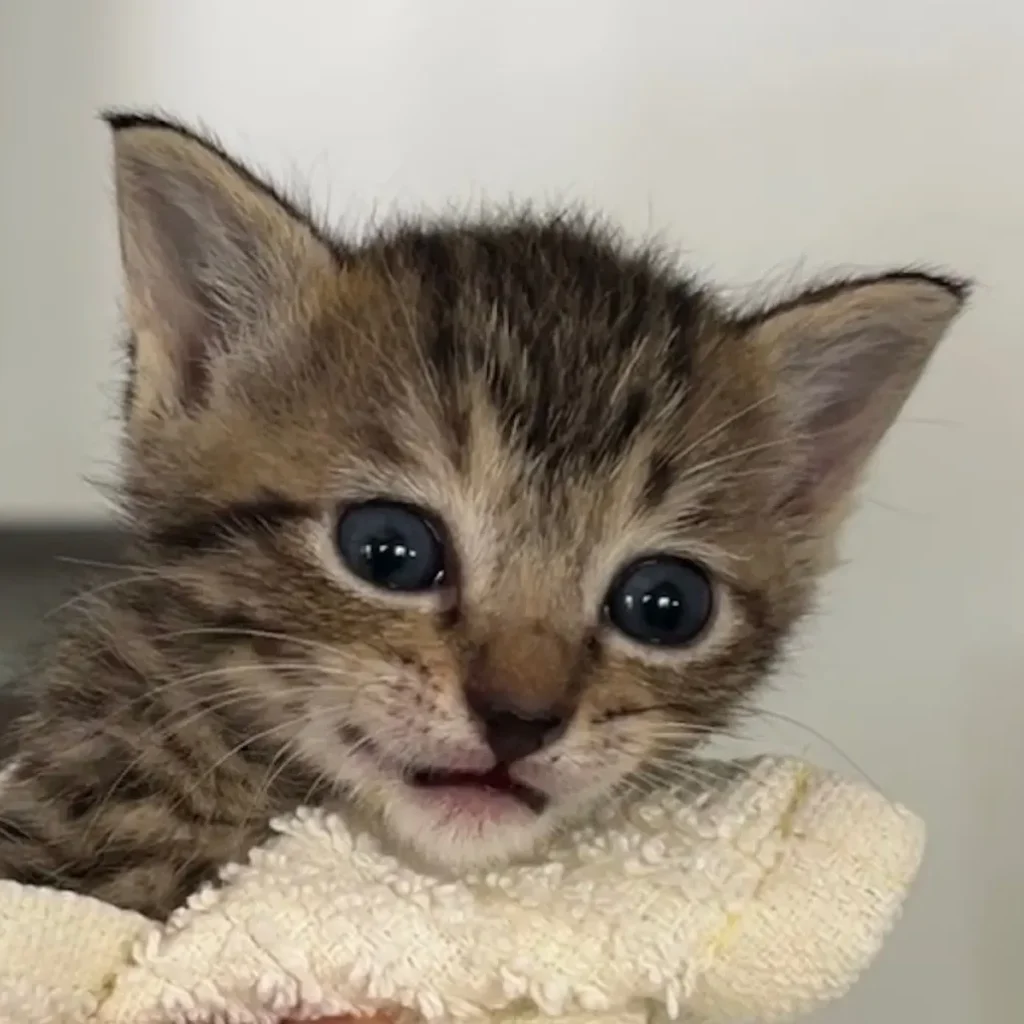
Choosing the right cat is rarely about finding a perfect match on the first try. It usually comes down to understanding how daily life, adjustment time, and long-term expectations work together. Once those pieces feel clearer, the decision becomes less about guessing and more about recognizing what fits your actual routine.
Most uncertainty fades when the focus shifts from ideal outcomes to realistic expectations. A cat does not need a perfect environment—just a stable one where its needs can be met consistently over time. That perspective helps turn hesitation into something more structured and manageable.
For those in South Florida who feel ready to take the next step, it can be helpful to review the broader adoption process and see how matches are supported from the beginning. You can explore more through the our adoption guide to better understand how cats are matched with homes in Broward County and surrounding areas.