
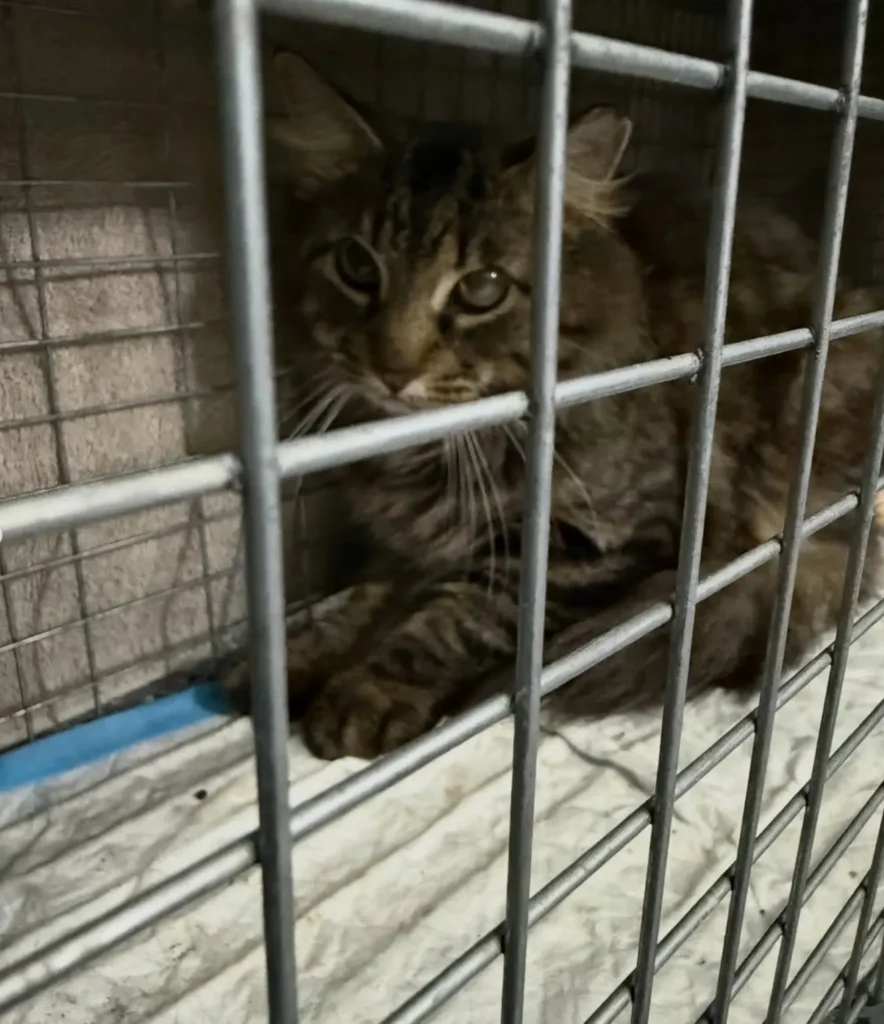
What do kittens actually learn in a foster home before they are adopted?
For many people considering fostering in South Florida, the answer is practical. Kittens learn where food appears, where the litter box is, when people interact with them, and what normal household activity sounds like.
Foster care may be the first steady home environment a rescued kitten has experienced. A kitten coming from outdoors, a shelter, or temporary intake may need time to adjust to meals, handling, play, rest, and everyday sounds.
Here is how kittens learn household routines in foster care and what foster families can expect during that process.
Key Takeaways: How Do Kittens Learn Household Routines in Foster Care?
- Foster kittens learn through repeated daily patterns such as regular meals, clean litter boxes, play, and quiet rest.
- A rigid schedule is not necessary, but keeping basic routines consistent helps kittens adjust.
- During the first few days, a kitten may hide, eat only when the room is quiet, or watch household activity from a safe spot.
- Foster homes introduce kittens to normal sounds, gentle handling, and family activity before adoption.
- Eating at expected times, using the litter box consistently, and playing near people are signs that a kitten is settling in.
Why Household Routines Matter for Foster Kittens
Household routines give foster kittens repeated clues about what happens next. Food arrives in the same area. The litter box stays easy to find. Play happens around familiar times. The kitten has a quiet place to sleep without being disturbed.
This is especially useful for kittens who have recently changed environments. During the first few days, a kitten may hide or wait until the room is empty before eating. Keeping the setup simple gives us a clearer picture of how the kitten is adjusting.
Foster homes also give kittens experience with normal home life before adoption. Our guide to fostering cats in Broward County explains more about what foster care involves and how home-based care fits into rescue work.
A foster family does not need to run the house on a strict timetable. The goal is to keep the kitten’s basic care consistent enough that they can learn the pattern.
How Foster Kittens Learn Mealtime Patterns
Kittens quickly begin connecting familiar sounds and actions with food. They may recognize a wet food can opening, a dish being placed on the floor, or the person who usually feeds them.
A nervous kitten may initially wait for the foster to leave before approaching the food. A few days later, that same kitten may come out when breakfast arrives.
Feeding routines also help us spot changes. If a kitten who normally comes out for breakfast suddenly stays hidden or eats much less, the foster can report that change to our team. Knowing the kitten’s usual routine gives us useful information when something changes.
The exact feeding schedule depends on the kitten’s age and care needs. We give foster families care instructions for the cats or kittens placed with them rather than expecting them to figure out a routine on their own.
How Kittens Learn Where to Use the Litter Box
For foster kittens, litter box habits are easier to learn when the box is close, clean, and easy to reach.
We often recommend beginning with a smaller foster space rather than giving a new kitten access to an entire home immediately. Food, water, bedding, and the litter box should have clear, consistent locations.
After a meal, nap, or active play session, a foster may place a young kitten near the litter box. The kitten begins connecting the location with where they need to go.
If an accident happens, we look at the setup first. Is the box too far away? Is the kitten hesitant to enter it? Is another animal making the area difficult to reach?
Punishment does not teach the routine. A simpler setup and easier access give the kitten a better chance to use the box consistently.
How Kittens Adjust to Normal Household Sounds
A foster home does not need to be silent.
Kittens may hear footsteps, cabinet doors, phones, televisions, washing machines, and people talking in other rooms. In a Broward County apartment or condo, they may also hear neighbors, doors closing in the hallway, or an elevator.
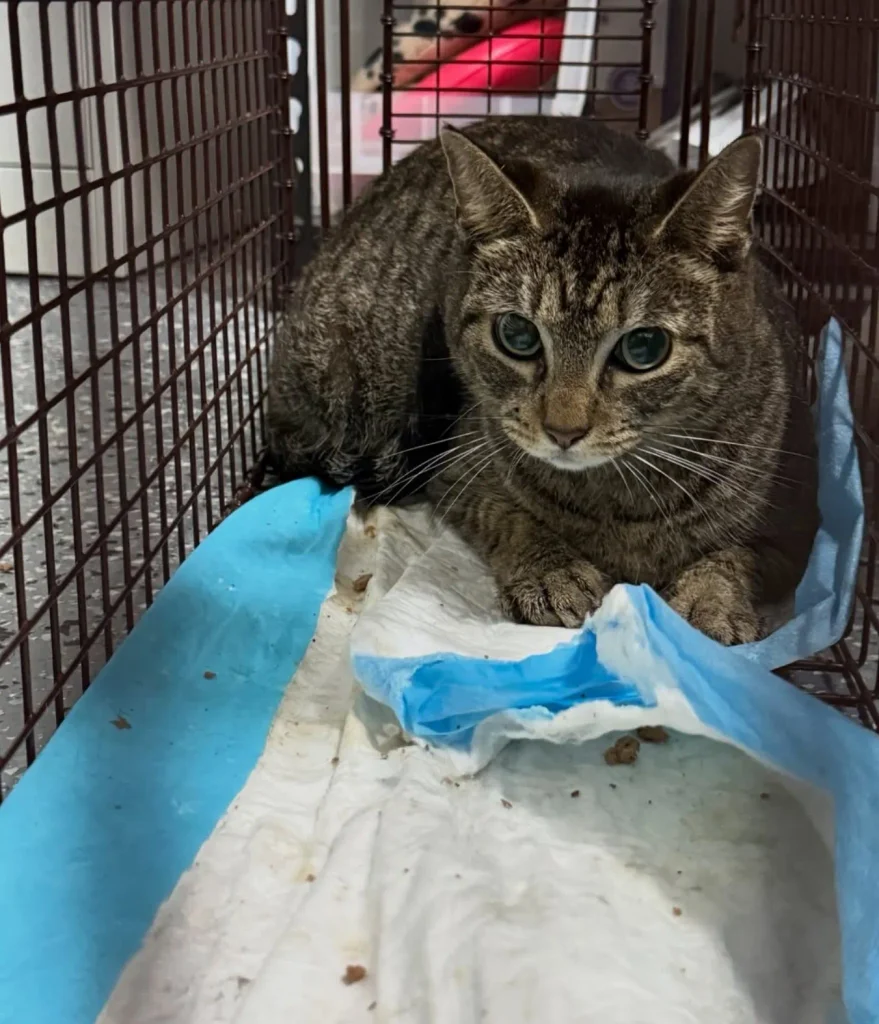
The kitten should still have a quiet area where they can retreat. We do not expect a nervous kitten to be placed in the middle of household activity on the first day.
Instead, normal life can continue around their foster space. A kitten who hides when the washing machine starts may stay in view after hearing it several times without anything frightening happening.
Foster care gives us a chance to see how each kitten responds to these everyday situations. Those observations can also help us better understand what type of adoptive home may suit the kitten.
How Play, Rest, and Handling Become Part of the Routine
Kittens often begin developing their own pattern of active and quiet periods in a foster home.
A foster may notice that a kitten is ready to play after breakfast, sleeps through much of the afternoon, and becomes active again in the evening. Short play sessions with a wand toy, ball, or other safe kitten toy give them an appropriate outlet for that energy.
Rest matters too. Constant handling can be too much for a kitten who is still adjusting. A bed, covered crate, or quiet room gives the kitten somewhere to sleep and retreat.
Gentle handling can be added in short, practical ways. Depending on the kitten, this may include being picked up briefly, having their paws touched, being brushed, or spending short periods around a carrier.
We pay attention to how the kitten responds rather than forcing interaction. A kitten who was difficult to approach on day one may begin walking toward the foster or settling nearby once daily contact becomes familiar.
What Foster Families Should Expect During the Adjustment Period
Kittens do not all settle into a home at the same speed.
The first 24 to 48 hours may be quiet. A kitten might stay under a blanket, ignore toys, or eat only after the foster leaves the room. We ask foster families to watch the kitten’s eating, litter box use, energy, and behavior and communicate changes with us.
Progress is often easy to see in small daily habits:
- coming out when food is served
- using the litter box consistently
- sleeping in a more open area
- playing while a person is nearby
- approaching the foster without being coaxed
These details tell us more than expecting a kitten to become outgoing immediately.
Many foster placements last several weeks, giving kittens time to grow and adjust before adoption. During that time, ordinary household routines help us learn more about the kitten and give potential adopters a clearer picture of their behavior in a home.
Thinking About Fostering Kittens in South Florida?
Helping a kitten learn household routines usually happens through ordinary daily care. You feed them, keep their litter box clean, give them time to play, and watch how they respond to life in your home.
You also give us information we cannot always learn from a short intake or vet visit. Does the kitten come out when people enter the room? Are they comfortable being handled? What sounds make them hide? When do they like to play?
Those observations help us care for the kitten and prepare for adoption.
Happy Whiskers Animal Coalition relies on foster homes in South Florida and Broward County to provide this type of day-to-day care. If you are considering opening your home, you can learn how our foster program works and apply to foster cats or kittens with us.