
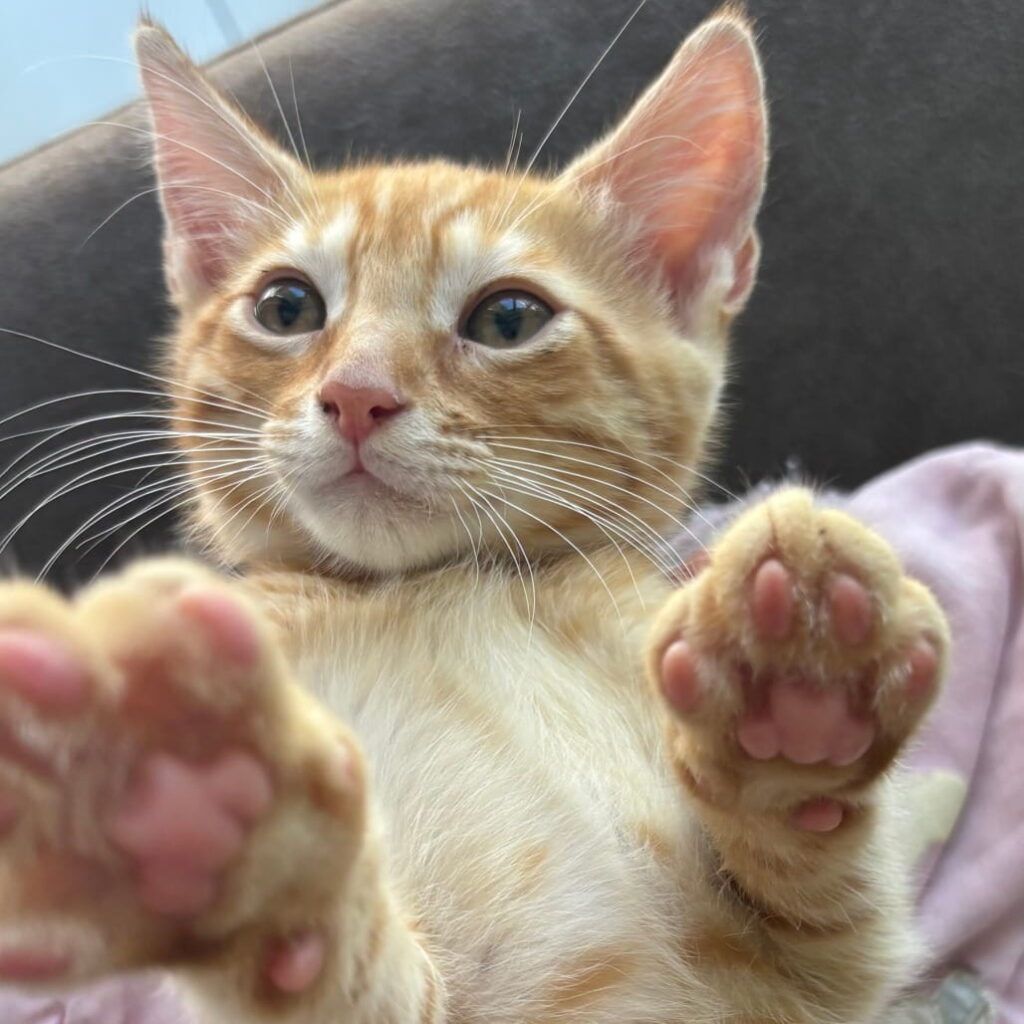
In South Florida, kitten season can last much of the year. Local rescues often receive calls about young kittens that need immediate care. Some are found outdoors, while others arrive at shelters before they are old enough to live on their own.
Because of this steady need, foster homes play an important role in helping rescues respond safely and responsibly. When people first learn about fostering, a common question follows: how does fostering kittens actually help rescue cats?
Understanding the impact of foster care helps clarify why rescues rely on volunteers to support their programs. Foster homes create the space and stability kittens need during their earliest stages of care while allowing rescue organizations to continue helping animals in the community.
This article explains how fostering kittens supports rescue work, improves survival outcomes for young cats, and helps organizations in South Florida respond when kittens need safe placement.
Key Takeaways
- Foster homes are essential to rescue work. Most cat rescues rely on volunteer foster families rather than large shelters.
- Fostering expands how many kittens a rescue can save. Each available foster home creates space for additional animals in need.
- Young kittens often need home-based care. Foster homes provide the stable environment required for early development and monitoring.
- Foster care prepares kittens for adoption. Daily interaction helps kittens become comfortable in home environments.
- Foster volunteers support the entire rescue community. Foster networks allow rescues and shelters to work together more effectively.
- Fostering is more accessible than many people expect. Most rescues provide guidance, veterinary support, and placement matching for volunteers.
Why Foster Homes Are Essential to Cat Rescue Programs
Foster homes are the foundation of most cat rescue programs. While some organizations operate shelters, many rescues rely primarily on volunteer foster families to care for animals until they are ready for adoption. This model allows rescues to provide individualized care while continuing to help new animals in need.
In practical terms, a rescue’s ability to save kittens is often limited by the number of available foster homes. When foster volunteers step forward, the rescue gains the ability to safely take in more animals. Each foster home expands the organization’s capacity to help cats that might otherwise remain in unsafe situations or overcrowded facilities.
Most rescues do not operate large shelters
Unlike municipal shelters, many independent rescues operate without a central housing facility. Instead, animals stay in foster homes where they receive daily care in a normal household environment.
This structure allows rescues to focus on individualized support rather than managing a large facility. Foster homes provide a setting where kittens can be observed closely, handled regularly, and cared for in a calm indoor space.
At Happy Whiskers, this foster-based approach allows us to place kittens in safe homes while we coordinate veterinary care, monitor development, and prepare them for adoption. Volunteers play a direct role in that process by providing the stable environment kittens need during their early stages of care.
Foster homes expand how many kittens a rescue can save
Every available foster home effectively creates additional space for rescue animals. When a foster volunteer takes in a litter of kittens, the rescue can respond to new situations that arise in the community.
For example, foster homes allow rescues to:
- Take in kittens found outdoors or brought in by community members
- Assist shelters that need help placing young animals
- Care for kittens while they grow old enough for adoption
Because foster care happens in individual homes, the number of kittens a rescue can help often increases directly with the number of foster volunteers available. Even one additional foster family can make a meaningful difference in how many kittens receive safe care.
Young Kittens Often Cannot Survive in Shelters
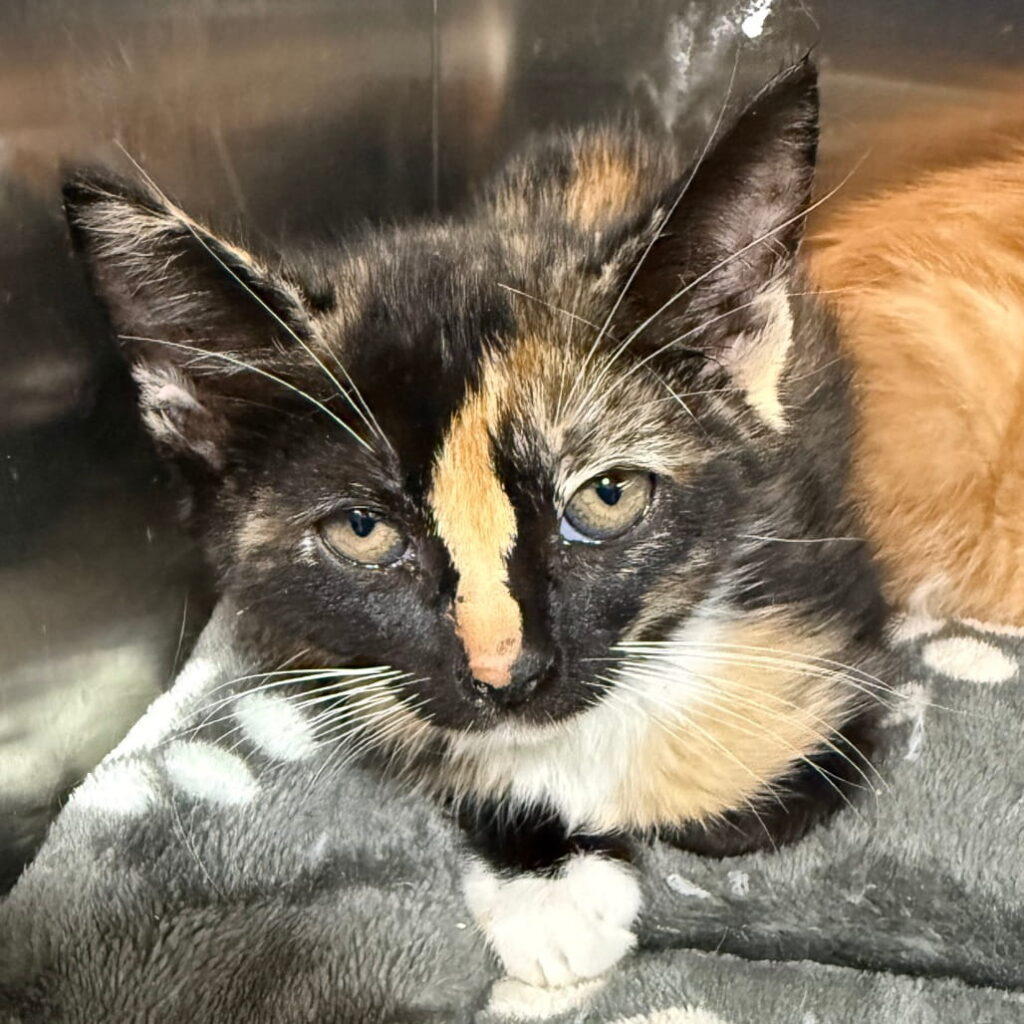
The importance of foster homes becomes even clearer when looking at the needs of very young kittens. Many kittens enter rescue programs before they are old enough to care for themselves. These kittens require close attention and frequent monitoring, which is difficult to provide in a traditional shelter setting.
Because of this, foster placement is often the safest option for kittens during their earliest weeks of life. A home environment allows for more consistent care and observation, helping rescues support kittens through the most vulnerable stage of development.
Neonatal kittens require specialized care
Very young kittens, often called neonatal kittens, have needs that go beyond basic feeding and shelter. They depend on steady routines and careful monitoring to grow safely.
Young kittens may require:
- Frequent feeding throughout the day
- A consistently warm environment
- Monitoring for weight gain and overall health
- Assistance with basic developmental needs during the first weeks of life
These tasks require time and attention that are easier to provide in a quiet home setting. Foster homes allow volunteers to care for kittens in smaller groups and observe them closely throughout the day.
In rescue work, kittens often arrive before they are fully weaned or while they are still adjusting to eating solid food. Foster caregivers make it possible to provide the gradual care these kittens need as they grow stronger.
Foster homes provide the calm environment kittens need
Shelters serve an important role in animal welfare, but they are often designed to care for many animals at once. This environment can be challenging for very young kittens that require a stable and low-stress setting.
Foster homes provide several advantages for kittens during early development.
| Foster Home Environment | How It Helps Kittens |
| Quiet indoor space | Reduces stress and supports healthy development |
| Consistent daily routines | Helps kittens adjust to regular feeding and care |
| Close observation | Allows changes in behavior or health to be noticed quickly |
| Regular human interaction | Helps kittens become comfortable around people |
Foster Care Helps Kittens Grow Into Healthy, Adoptable Cats
The first weeks and months of a kitten’s life shape how they interact with people and new environments. Regular contact with humans during this period helps kittens develop confidence and trust.
In foster homes, kittens gradually become familiar with everyday household experiences. These may include:
- Being gently handled and held
- Hearing common household sounds such as appliances or televisions
- Interacting with toys and enrichment activities
- Learning to use a litter box consistently
These small daily interactions help kittens adjust to life in a home. When kittens receive consistent socialization early, they are more likely to feel comfortable with new families after adoption.
Foster homes allow rescues to monitor health and development
Foster caregivers also play an important role in observing how kittens grow over time. Because kittens are living in a home environment, changes in behavior or health can be noticed quickly.
Foster volunteers often help monitor:
| Development Area | What Foster Caregivers Observe |
| Appetite | Whether kittens are eating regularly |
| Weight gain | Gradual, healthy growth |
| Energy level | Normal play and curiosity |
| Behavior | Comfort with people and surroundings |
Fostering Allows Rescues to Respond to Kitten Season
The need for foster homes becomes especially clear during kitten season, the time of year when large numbers of kittens are born. In warmer regions like South Florida, this period can last longer than it does in colder climates. As a result, rescues often receive a steady stream of calls about litters of kittens needing help.
During these periods, the number of kittens needing care can increase quickly. Foster homes allow rescues to respond safely and responsibly when these situations arise.
South Florida experiences extended kitten seasons
In many parts of the country, kitten season occurs primarily during the spring and early summer. In South Florida, the warm climate allows cats to reproduce for a longer portion of the year.
This means rescues in Broward County and nearby communities often encounter:
- Multiple litters born throughout the year
- Young kittens found outdoors without their mother
- Community members asking rescues for help placing kittens safely
Because of this extended season, rescue organizations must be prepared for ongoing intake requests rather than a short surge during a single season.
Foster Families Support the Entire Rescue Community
Foster care does not only benefit the kittens placed in a home. It also strengthens the entire rescue network. When foster volunteers are available, rescues can respond more effectively to the needs of animals throughout the community.
In many areas, shelters and independent rescues work together to ensure animals receive appropriate care and placement. Foster homes make this cooperation possible by providing temporary housing for kittens while organizations coordinate medical care, socialization, and adoption preparation.
Fostering helps shelters focus on urgent cases
Animal shelters often receive a wide range of animals, including injured animals, stray pets, and animals surrendered by their owners. Space and staff resources can become limited during busy periods.
When rescue organizations with active foster networks are able to take in kittens, shelters gain additional capacity to focus on other urgent cases.
Foster programs help create this flexibility by allowing rescues to:
- Transfer young kittens into home-based care
- Provide time for kittens to grow and stabilize
- Prepare animals for adoption outside of the shelter system
This type of collaboration supports better outcomes for animals across the community.
Community foster networks strengthen local rescue efforts
A strong foster network also helps rescue organizations coordinate more efficiently with one another. When volunteers are available, rescues can respond to situations more quickly and provide stable placement for animals that need care.
Because foster homes are distributed throughout the community, they create a flexible system that helps rescues work together. This shared network allows organizations to focus on placing animals safely and responsibly while preparing them for permanent homes.
Many People Are Surprised by How Accessible Fostering Can Be
After learning how foster homes help rescue kittens, many people begin to wonder whether fostering might be realistic for them. A common assumption is that fostering requires special training, large amounts of time, or previous animal care experience.
In practice, many rescues design their foster programs to support volunteers who are new to fostering. Clear guidance, veterinary coordination, and structured communication allow foster families to focus on daily care while the rescue manages the larger logistics of the program.
Rescue programs also try to match foster placements with the volunteer’s schedule and comfort level. Not every foster situation looks the same, and rescues typically consider several factors when placing kittens into a home.
These may include:
| Factor Considered | Why It Matters |
| Foster availability | Helps determine the type of placement that fits the volunteer’s routine |
| Experience level | Allows rescues to place kittens with care needs that match the foster’s comfort level |
| Home environment | Ensures the space is appropriate for the kittens being placed |
This matching process helps foster placements feel manageable rather than overwhelming.
For readers who want to explore the full process of becoming a foster caregiver, including how placements work and what to expect after applying, more detailed information is available on our rescue’s foster program page.
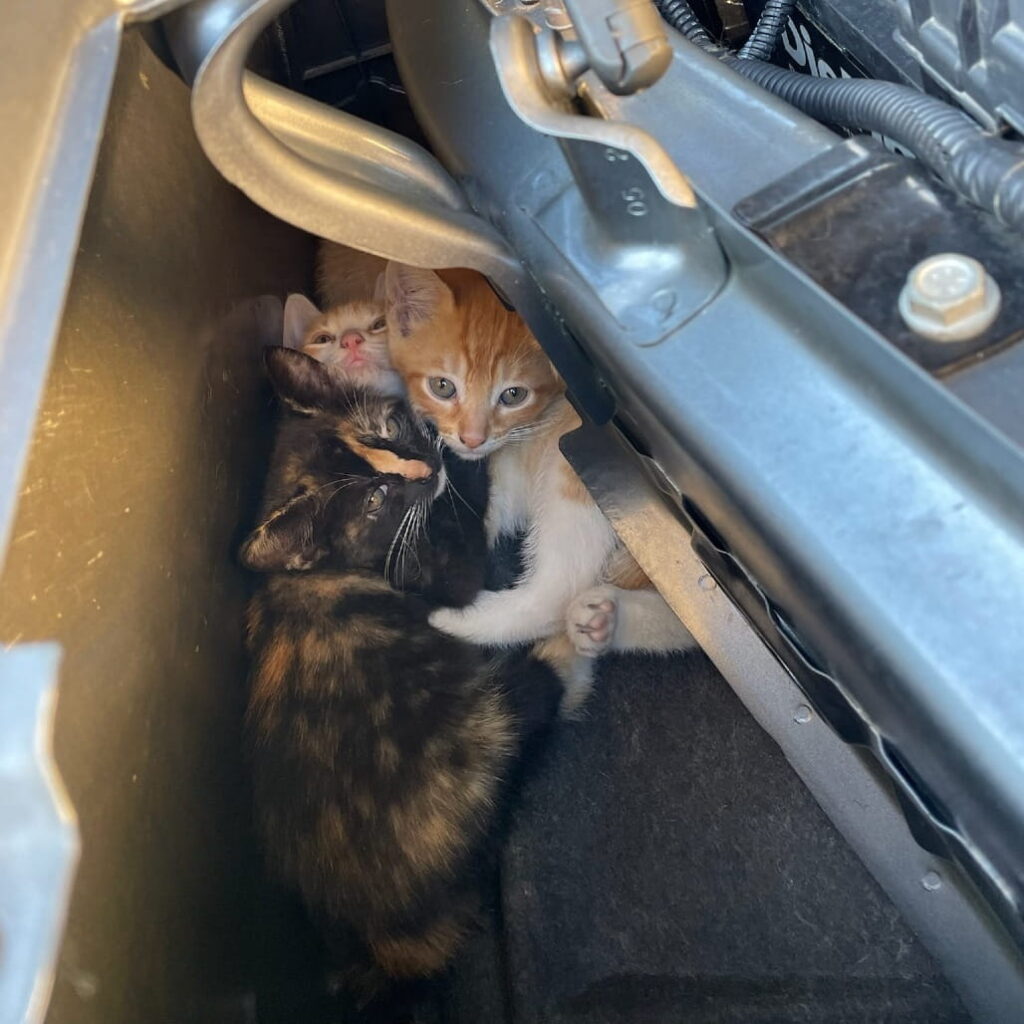
Foster care plays a central role in how many rescue organizations operate. It allows kittens to receive individualized care, supports healthy development, and gives rescues the flexibility to respond when animals need help.
In communities throughout South Florida, foster volunteers help create the stability that makes rescue work possible. A single foster home can allow a rescue to take in additional kittens, provide consistent care, and prepare them for adoption in a safe environment.
For people who want to support rescue cats but are unsure where to begin, fostering can be one of the most direct ways to make a meaningful impact. Learning how the process works can help clarify what the experience looks like and what support rescues provide.Readers interested in helping kittens in the community can learn more about the Happy Whiskers kitten foster program to understand how foster placements work and what steps are involved in becoming a foster caregiver.