
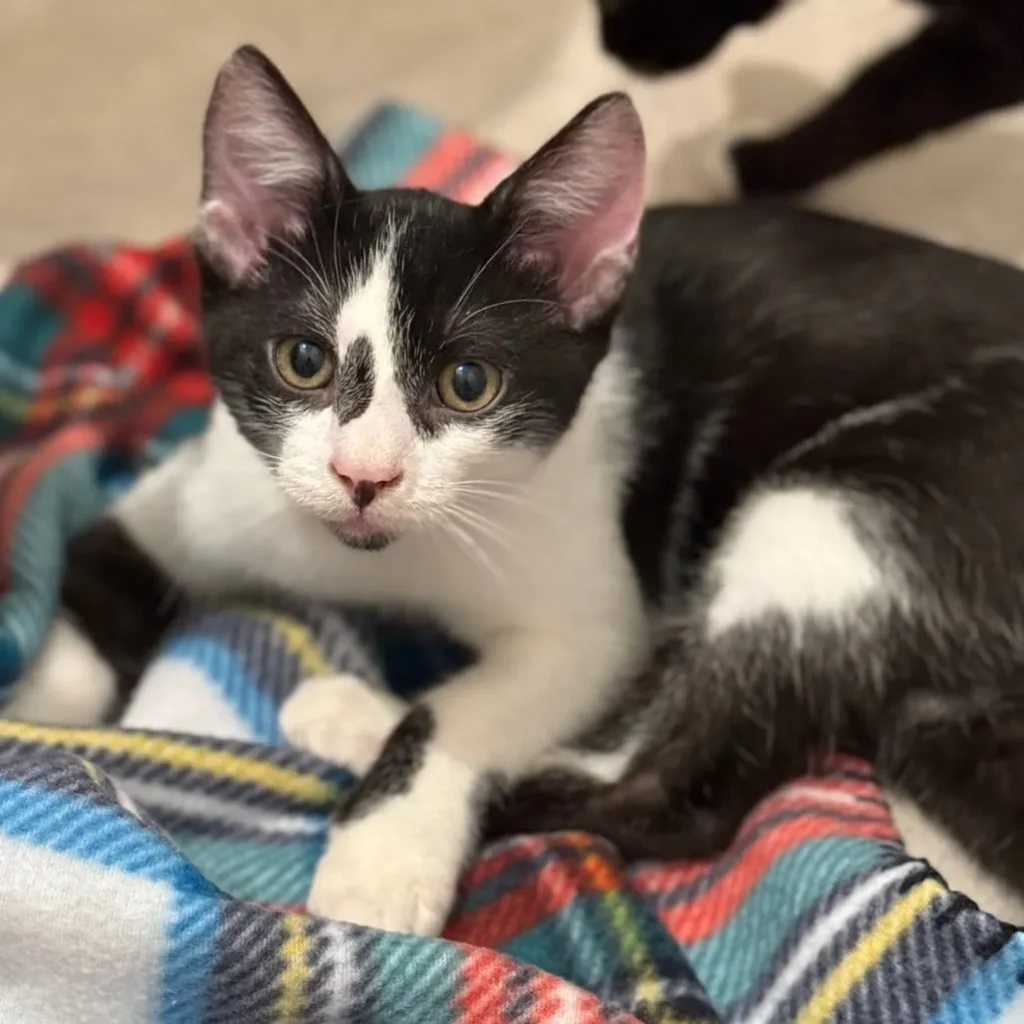
When someone donates to a cat rescue, veterinary bills are often the first expense that comes to mind. Medical care is a major part of rescue work, but a cat still needs food, litter, a safe foster setup, transportation, and daily supplies while waiting for adoption.
For a foster-based rescue like Happy Whiskers Animal Coalition, these everyday needs affect how many cats we can care for and how smoothly foster placements operate.
Here are seven practical ways donations help rescue cats beyond medical care.
Key Takeaways: How Do Donations Help Rescue Cats?
- Donations help stock foster homes with food, litter, bedding, and basic care supplies.
- Carriers, playpens, and litter boxes help us prepare foster spaces for incoming cats.
- Transport and supply support help cats get to appointments, foster homes, and adoption events.
- Kitten supplies can run out quickly when several litters are in foster care at the same time.
- Cleaning and adoption supplies help foster homes care for cats without covering every rescue expense themselves.
1. Donations Help Provide Food, Litter, and Daily Supplies
Food and litter are two of the most consistent expenses in foster-based cat rescue. A cat may stay in foster care for several weeks, and adult cats or litters of kittens use these supplies every day.
A foster caring for two kittens may go through litter quickly and need age-appropriate food as the kittens grow. Adult cats may need wet or dry food, scratching pads, washable bedding, and bowls.
These are routine expenses, but they add up across multiple foster homes.
When donated supplies are available, we can provide foster families with more of what they need for daily care instead of expecting them to purchase everything themselves.
Our guide to volunteering with a cat rescue in Broward County explains some of the behind-the-scenes work that helps supplies and foster needs stay organized.
2. Donations Help Set Up Safe Foster Spaces
A new foster placement often needs a few basic items before the cat arrives.
Carriers, litter boxes, playpens, washable blankets, and beds help us prepare a space based on the cat’s age and needs. A shy adult cat may need a quiet room with a covered place to rest. Young kittens may need a playpen with bedding that can be removed and washed frequently.
Having these items available also makes foster handoffs easier. If a cat needs to move into a foster home quickly, we do not want the foster scrambling to find a carrier, litter box, and basic setup supplies at the last minute.
Donated equipment can be cleaned, stored, and used again for future foster placements when appropriate.
3. Donations Help With Transportation and Rescue Logistics
Cats move between intake locations, foster homes, veterinary appointments, and adoption events. Supplies also need to reach the foster homes using them.
In Broward County, that can mean coordinating a pickup in Coral Springs, a veterinary appointment in another part of the county, and a return trip to the foster home later that day.
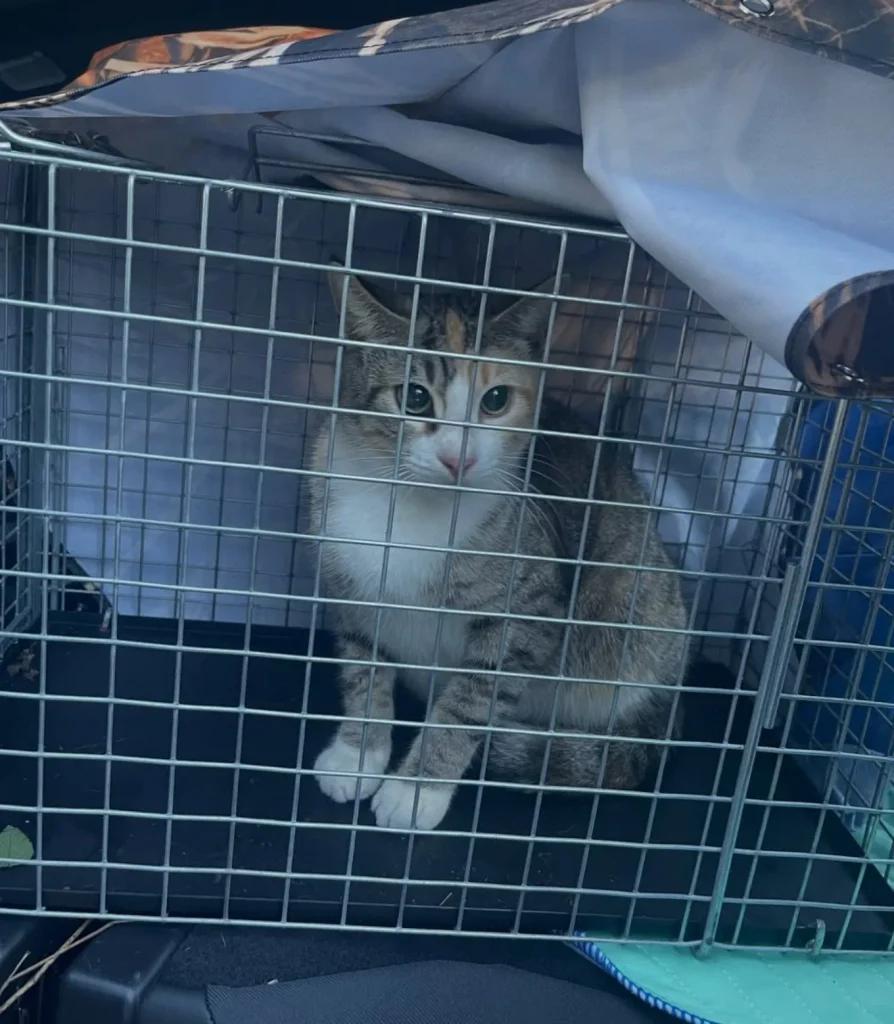
Transportation costs and equipment are part of that work. Fuel assistance, carriers, and other transport supplies can help volunteers complete these trips without repeatedly absorbing the cost themselves.
Reliable transportation also prevents missed appointments and delayed handoffs. A cat cannot move into an available foster home if there is no safe way to get the cat there.
4. Donations Help Keep Kittens Warm, Clean, and Fed
Young kittens use supplies differently from adult cats.
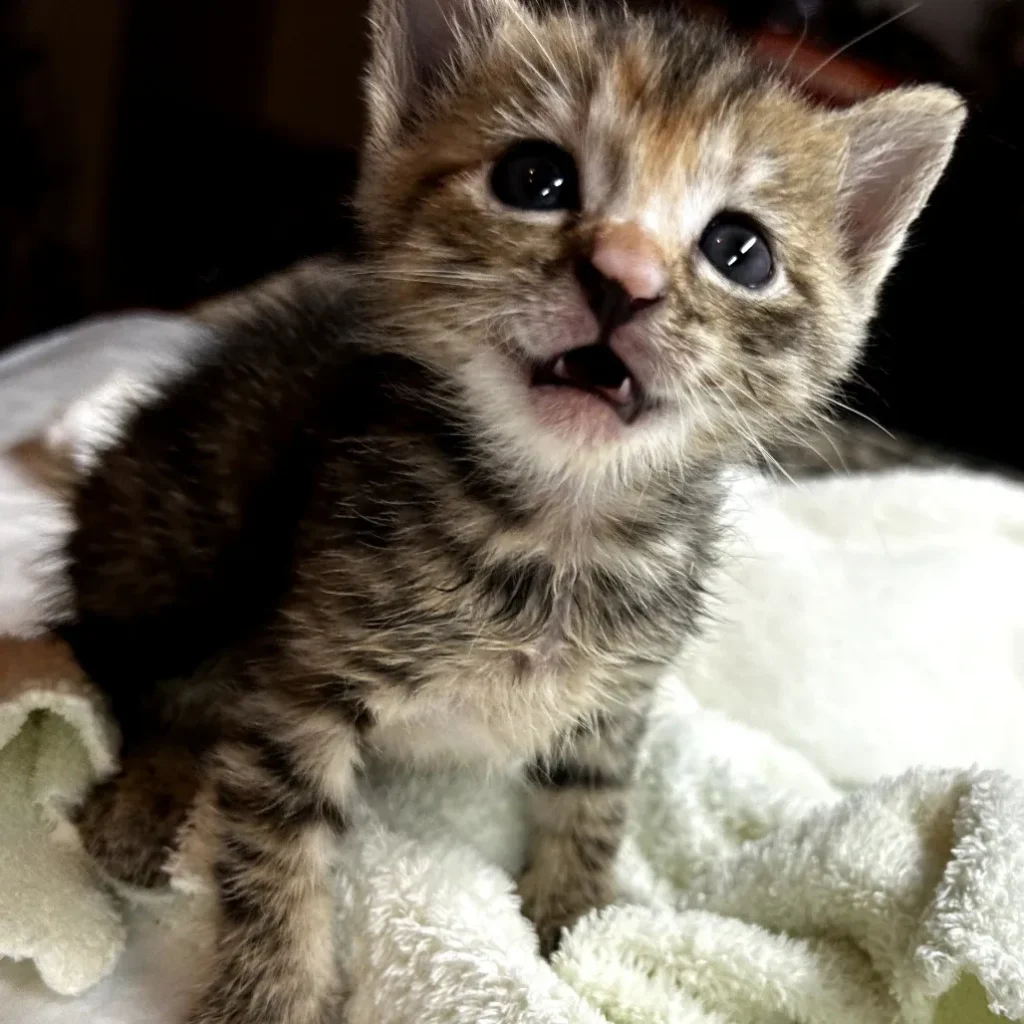
Depending on their age, kittens may need formula, bottles, heating supplies, soft bedding, wipes, and digital scales for weight checks. Bedding may need to be changed several times a day, and formula can run out quickly when a foster is caring for an entire litter.
During busy kitten periods in South Florida, several foster homes may need the same supplies at once.
Keeping kitten supplies stocked means we can send a foster home with the equipment needed for that specific placement. A digital scale helps track weight. Clean bedding gives the foster enough replacements between loads of laundry. Formula and bottles allow feeding to begin without an emergency shopping trip.
These are small operational details until a litter arrives and the supplies are needed that night.
5. Donations Pay for Cleaning and Sanitation Supplies
Cleaning supplies are used constantly in foster care.
Laundry detergent, paper towels, gloves, trash bags, litter scoopers, and appropriate disinfectants help foster families keep cat areas clean. A foster caring for kittens may wash bedding several times in one day. A newly arrived cat may need closer litter box monitoring while settling into the home.
Stocking these supplies helps fosters follow the care instructions we provide without purchasing every cleaning item themselves.
It also matters when reusable equipment comes back to the rescue. Carriers, playpens, and other supplies need to be cleaned before they are stored or sent to another foster home.
6. Donations Help Prepare Cats for Adoption
Medical clearance is only one part of getting a cat ready to meet adopters.
Fosters spend time learning how a cat behaves in a home. Is the cat comfortable with other cats? Does the cat hide when new people visit? Is a kitten constantly looking for something to climb?
Toys, scratching pads, grooming supplies, and other basic items help foster families observe normal behavior and give us better information for adoption profiles.
Donations may also cover carriers and materials used at adoption events. Before an event, volunteers may need to prepare clean equipment, organize cat information, and make sure each cat has what they need for the day.
These details help us give potential adopters clearer information about the cat they are considering.
7. Donations Help Volunteers Keep Rescue Work Moving
Foster-based rescue involves a lot of work that happens away from the cats.
Someone may need to pick up donated supplies, organize carriers, drive a cat to an appointment, prepare materials for an adoption event, or help sort items before they go to foster homes.
Donations can provide storage bins, event materials, carriers, and other equipment volunteers use to complete these tasks.
The supplies matter, but so does having people available to handle them. A room full of donated litter still needs to be sorted and distributed to the foster homes that need it. Carriers need to be cleaned and stored. Event materials need to be prepared before cats arrive.
If you want to help with this side of rescue work, you can review our volunteer opportunities and see where your time may fit.