
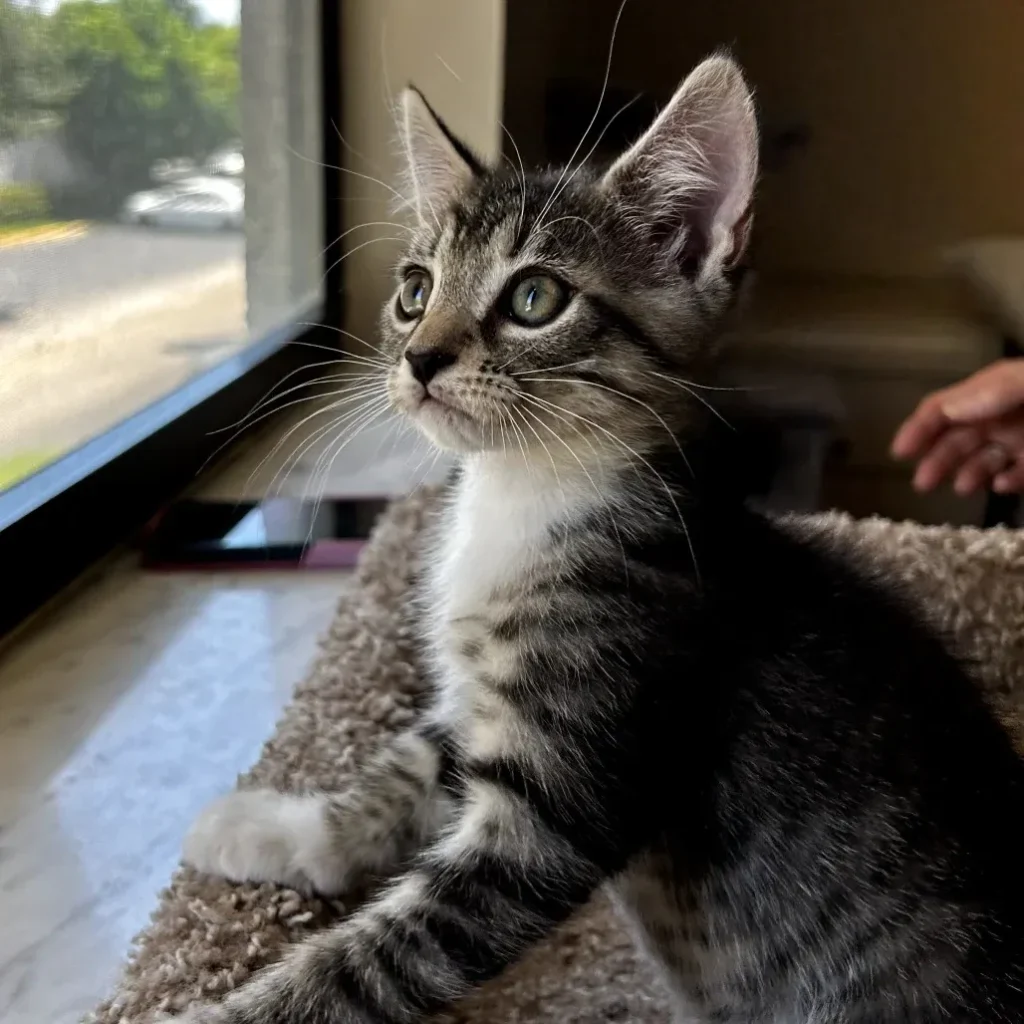
Fostering kittens can work well for families with young children, but it depends on the household.
The biggest factor is not whether children are in the home. It is whether adults can manage the care, supervise interactions, and keep daily routines steady.
For families in Broward County and nearby South Florida communities, this question usually comes down to safety and practicality. Can the kittens have a quiet space? Can children interact gently? Can adults handle feeding, cleaning, and updates?
Here is what to consider before saying yes.
Key Takeaways: Is fostering kittens with young children realistic?
- Fostering can work in homes with young children when adults stay responsible for care.
- Children should only interact with foster kittens under direct supervision.
- Kittens need a quiet, safe space where they can rest away from household activity.
- Daily care usually includes feeding, litter cleaning, basic observation, and short play sessions.
- Young children can help with small tasks, but they should not be responsible for the kitten’s care.
- Waiting may be the better choice if your household schedule is too unpredictable right now.
Why Kittens Can Be a Good Match for Families With Children
Kittens can do well in family foster homes when the environment is calm, supervised, and consistent.
A home with children can expose kittens to normal household sounds, movement, and gentle human interaction. That can help kittens become more comfortable around people before adoption.
Best Friends notes that kittens between 4 and 12 weeks old benefit from daily socialization sessions that help shape personality and emotional growth.
That does not mean children should have unlimited access to the kittens. The goal is guided exposure, not constant handling.
Children can help by sitting nearby, using a wand toy, placing a food bowl down, or learning how to read when a kitten wants space. Adults should handle the actual care routine and decide when interaction starts and stops.
This setup works best when kittens have a separate room, playpen, or quiet area where they can eat, sleep, use the litter box, and retreat when needed.
Age and Supervision: What Really Matters
Supervision matters more than age alone.
A careful 8-year-old may follow directions well. A toddler may need constant hands-on guidance. Even older children still need rules around handling, noise, doors, and play.
VCA advises that when introducing kittens to children, the kitten should be allowed to initiate interaction and children should not grab the kitten. VCA also notes that young children should not be permitted to hold kittens because they may hold too tightly or drop them.
That is the standard we would use in practice: calm, short, supervised interaction.
A good family foster setup usually means:
- adults open and close the foster room
- children do not pick up kittens without permission
- play uses toys, not hands
- kittens can walk away when they are done
- no chasing, squeezing, grabbing, or crowding
- adults pause interaction when the kitten seems stressed
Young children can still be part of the experience. Their role just needs to be simple and supervised.
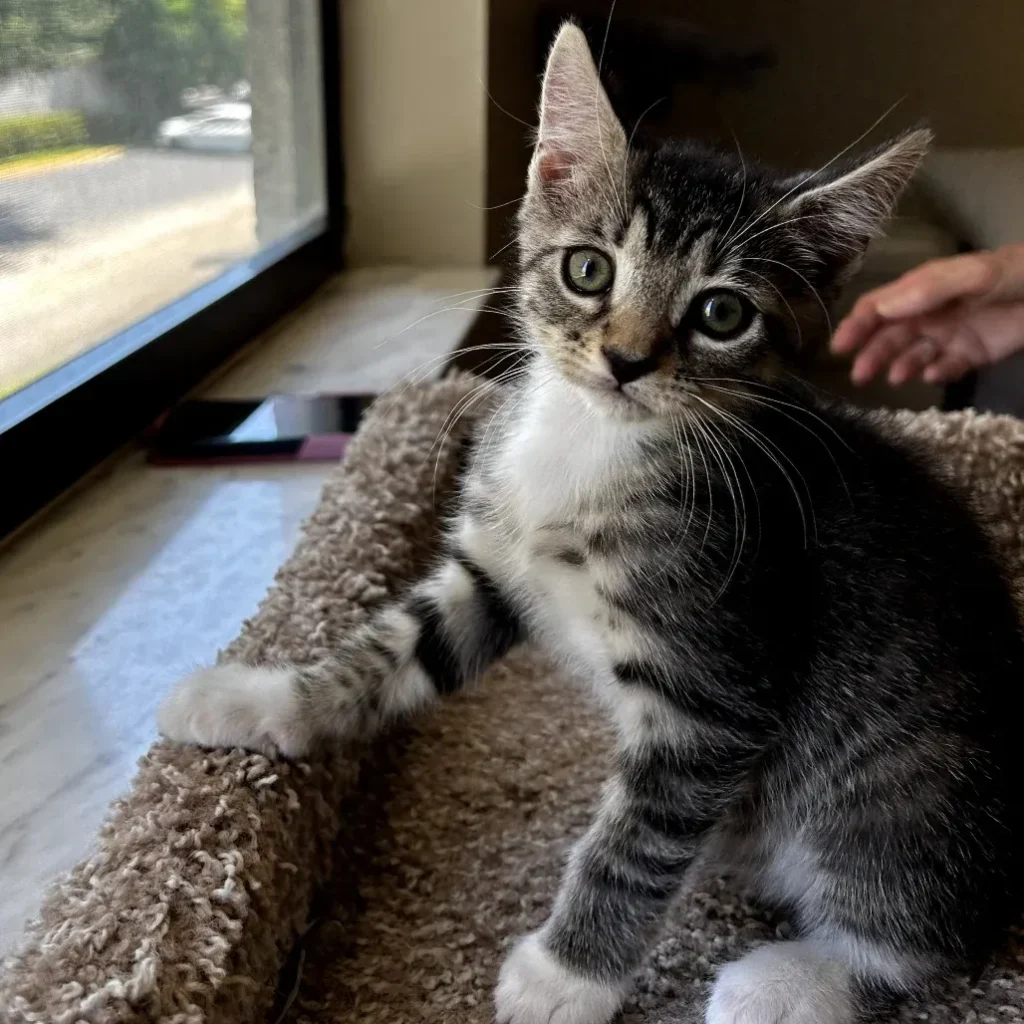
Daily Responsibilities in a Family Foster Home
Daily kitten care is simple, but it has to be done by adults.
Most family foster routines include feeding, cleaning the litter area, refreshing water, checking appetite, watching for behavior changes, and giving kittens short periods of safe play or socialization.
Children can help with small parts of the routine, such as choosing a toy, watching the kitten eat, helping place a bowl down, or sitting quietly during playtime. But the adult is still responsible for the schedule, cleaning, health updates, and communication with the rescue.
A typical family routine may look like this:
| Task | Who should handle it |
| Feeding | Adult-led, child may assist |
| Litter cleaning | Adult |
| Water refresh | Adult-led |
| Playtime | Adult-supervised |
| Health observation | Adult |
| Updates to the rescue | Adult |
The work is usually short, but it cannot be skipped. Kittens do better when meals, cleaning, and quiet time happen consistently.
When Fostering May Not Be the Right Fit
Fostering may not be the right fit if the home cannot provide supervision, a quiet space, or a steady care routine.
This is not a judgment on the family. It is a practical question.
It may be better to wait if:
- adults are not available to manage daily care
- children are too young to follow basic animal-safety rules
- the home is too chaotic for a kitten to rest
- there is no separate room or contained space
- resident pets cannot be safely separated
- the family expects children to handle most of the care
Best Friends’ kitten foster manual emphasizes keeping foster kittens separated from resident pets because of disease-risk concerns for both foster kittens and household animals.
That separation is especially important in homes with children, because doors get opened, pets wander, and routines can get busy fast.
A busy household can still foster. An unpredictable household may struggle.
How Happy Whiskers Supports Family Foster Homes
Families are not expected to figure everything out alone.
Before placement, we want to understand your home setup, your children’s ages, your schedule, resident pets, and what kind of kitten care feels realistic. That helps us match the placement to the household instead of putting a family in a situation that is too much.
Support may include:
- basic supplies
- feeding and cleaning instructions
- guidance on safe handling
- communication if behavior or health concerns come up
- help deciding whether a kitten is a good fit for your home
- coordination for approved veterinary care when needed
The first few days are usually the adjustment period. Kittens may hide, eat less, sleep more, or watch the household before they feel comfortable. Families do not need to panic over every small change, but they should communicate anything that seems unusual.
The best family foster homes are not perfect. They are honest, consistent, and willing to follow the care plan.
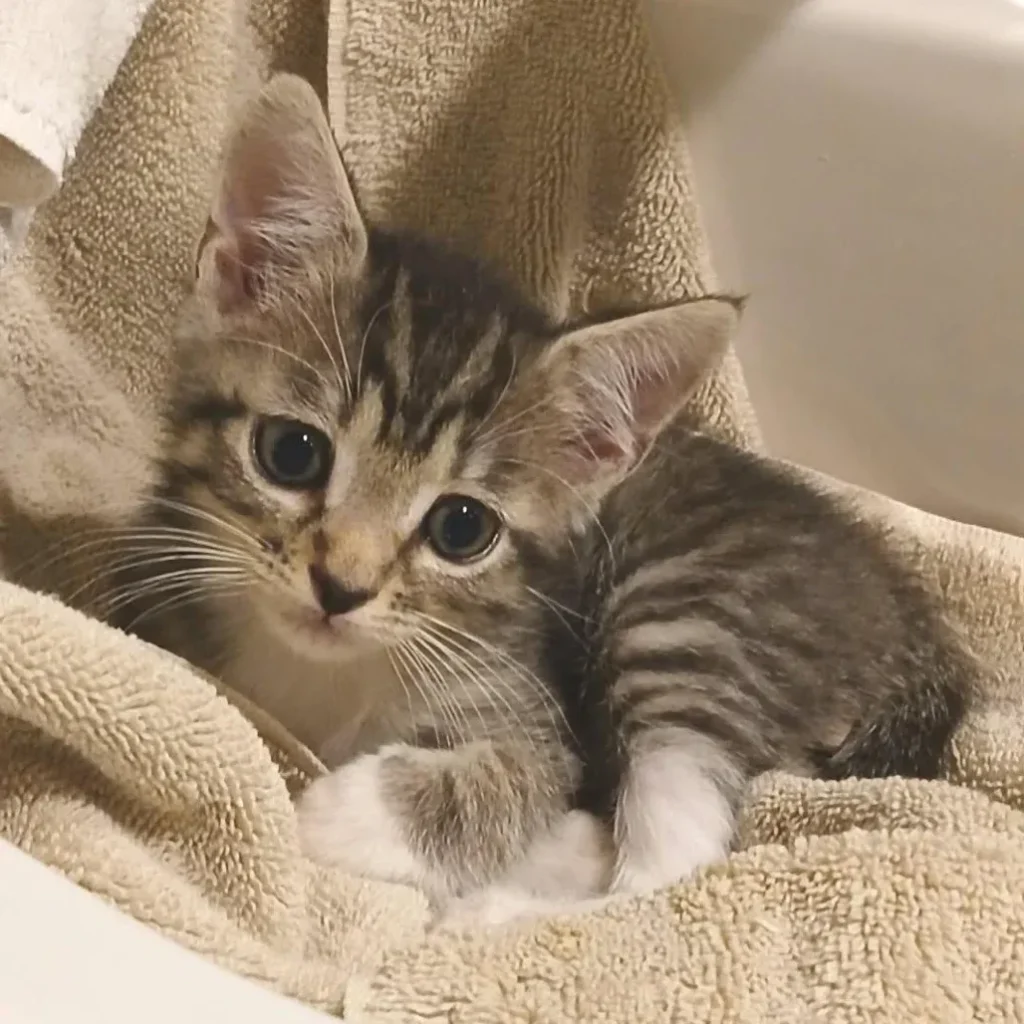
Fostering kittens with young children can be a good fit when adults lead the process.
Children can learn how to interact gently, observe behavior, and help with small tasks. But the adult is responsible for feeding, cleaning, supervision, health updates, and keeping the kitten’s space calm.
The question is not “Can families with young kids foster?” Many can.
The better question is: “Can our household provide safe supervision and a steady routine right now?”
If you are in South Florida and want to understand what fostering would look like for your family, you can learn how our foster program works.