
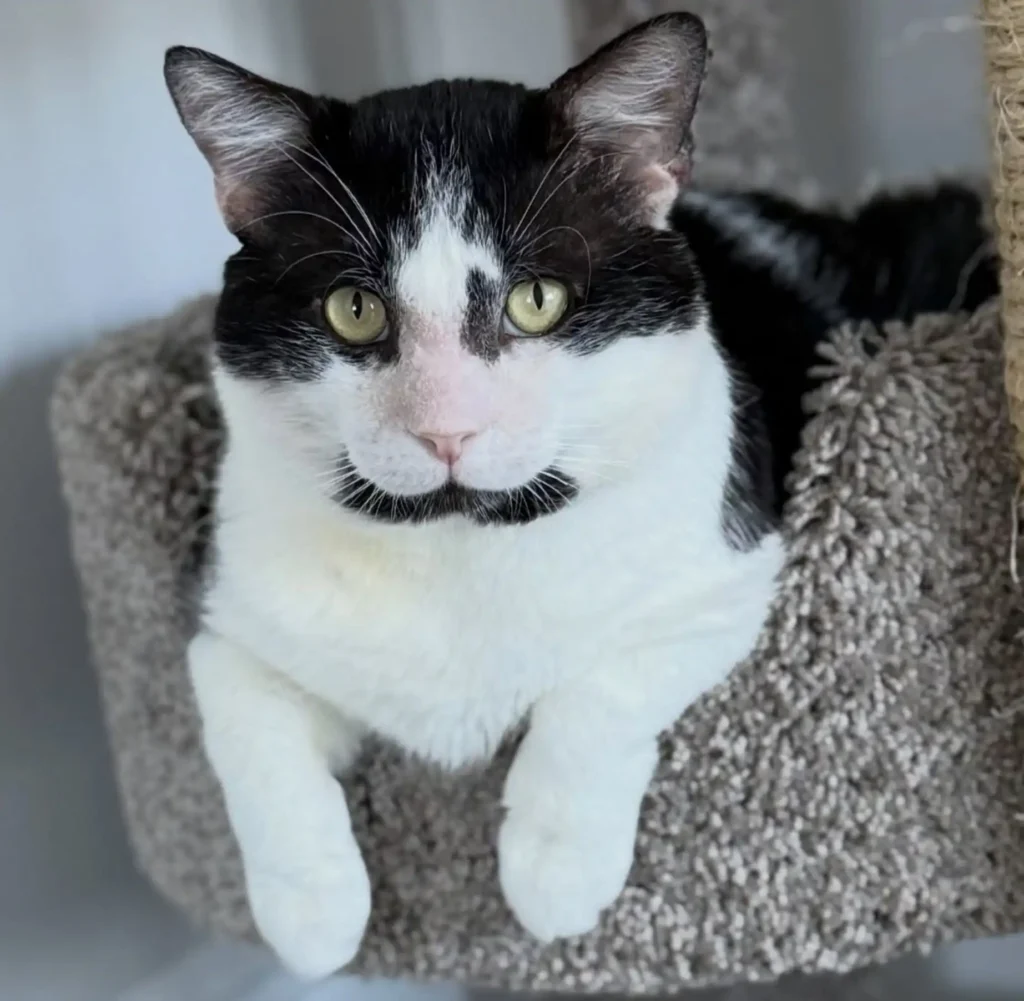
Bringing a rescue cat home for the first time often comes with a mix of excitement and uncertainty. You may be wondering how your cat will behave, how long it will take to adjust, and whether you’re doing everything right in those first few days.
In South Florida, many adopters live in apartments, shared homes, or busy households, which can make those early questions feel even more important. A new environment, unfamiliar routines, and different energy levels all play a role in how a cat settles in. It’s normal to look for signs that things are going well, especially if your cat is quiet, hiding, or slower to engage than expected.
This article will help you understand early behavior, adjustment timelines, and what these changes mean so you can feel more confident in those first few days.
Key Takeaways: What should you expect when adopting a rescue cat for the first time?
- Most rescue cats need a quiet adjustment period of a few days before they begin exploring or engaging consistently.
- Early behaviors like hiding or low activity are normal and reflect adjustment, not rejection or behavioral problems.
- Adjustment timelines vary widely, and progress often depends more on the cat’s background than the adopter’s actions.
- A stable home routine with consistent feeding and low stress helps cats settle more predictably and comfortably.
- Feeling uncertain in the first few days is normal and usually improves as the cat’s behavior becomes more consistent.
- Early support and guidance can help adopters distinguish between normal adjustment and situations that need attention.
The First Few Days Are Usually Quiet and Cautious
The first 24–72 hours after bringing a rescue cat home are typically quiet, with limited interaction. Most cats spend this time observing their new environment rather than engaging right away.
It is common to see behaviors such as:
- Hiding under furniture or in a corner
- Watching from a distance without approaching
- Eating less or waiting until the home is quiet
These behaviors are part of how cats assess safety. A new home introduces unfamiliar sounds, smells, and routines, even in calm households across South Florida.
A quiet adjustment period does not mean the cat is unhappy or rejecting the home. It means the cat is processing change at its own pace.
A simple setup helps during this phase:
- One quiet room
- Easy access to food, water, and a litter box
- Minimal handling during the first day or two
Most cats begin to show small signs of comfort within a few days, such as exploring at night or approaching when the environment feels predictable.
Adjustment Timelines Vary From Cat to Cat
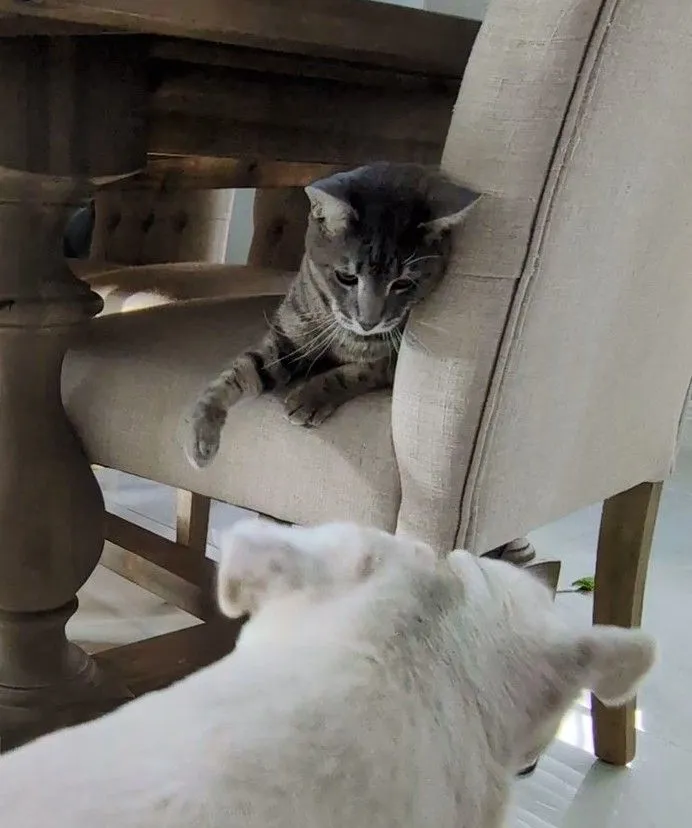
Most rescue cats adjust within a few days to a few weeks, but there is no fixed timeline. Each cat responds differently based on past experience, personality, and sensitivity to change.
Some cats begin exploring and interacting within the first few days. Others take longer to feel comfortable and may stay cautious for a week or more. This range is normal and expected.
A simple way to think about adjustment:
| Cat Type | Typical Behavior Timeline |
| Confident cats | Explore within 1–3 days |
| Moderate cats | Gradual interaction over several days |
| Shy or sensitive | May take 1–2 weeks to fully settle |
Progress is not always steady. A cat may seem comfortable one day and more withdrawn the next.
A slow adjustment does not mean something is wrong. It means the cat is taking the time it needs to feel secure in a new environment.
Your Environment Shapes How Quickly Your Cat Settles In
A calm, predictable environment helps a rescue cat adjust faster. Small changes in the home can directly affect how safe the cat feels and how quickly it begins to relax.
Three factors make the biggest difference:
- Noise level: Loud TVs, visitors, or sudden sounds can delay adjustment
- Other pets: New animals add stress if introductions are not gradual
- Daily routine: Feeding and activity at consistent times helps the cat feel secure
Cats rely on routine to understand their surroundings. When the environment stays consistent, the cat can focus on exploring instead of reacting to constant change.
In many South Florida homes, space and activity levels vary. Apartments, families, and shared households each create different adjustment conditions.
A stable setup leads to faster progress. Even small steps, like keeping feeding times consistent or limiting noise in the first few days, can make a noticeable difference in how quickly a cat begins to settle in.
Support From the Rescue Continues After Adoption
Adoption does not end the moment you bring your cat home. Ongoing support is part of how most rescues help both the cat and adopter adjust successfully.
After adoption, guidance is usually available for common situations such as:
- Changes in eating or litter box habits
- Hiding or slow adjustment
- Introducing the cat to other pets
- Understanding normal vs concerning behavior
This type of support gives you a clear next step when something feels uncertain.
Most questions come up in the first few days. Having access to advice during that time helps prevent small issues from becoming bigger concerns.
You are not expected to figure everything out on your own. Clear guidance is available, and most adjustments are easier to manage once you know what is normal and what to do next.
It’s Normal to Feel Unsure at First
Feeling unsure in the first few days after adoption is common, even when everything is going well. Many first-time adopters question whether they are doing things correctly or whether their cat is adjusting as expected.
Common thoughts include:
- “Is my cat happy here?”
- “Am I doing something wrong?”
- “Should my cat be more social already?”
These concerns usually come from not knowing what is normal yet.
Adjustment happens on both sides. As the cat settles into a routine, the adopter also becomes more comfortable reading behavior and responding to it.
Uncertainty early on does not mean the adoption was a mistake. It is a short phase that improves as routines become familiar and the cat begins to show consistent signs of comfort.
The first days after adopting a rescue cat are usually calm, sometimes uncertain, and often quieter than expected. Most cats need time to adjust, and that process looks different in every home. Small changes in behavior, gradual progress, and short periods of hesitation are all part of settling into a new environment.
Understanding these patterns makes it easier to respond with patience instead of concern. As routines become consistent, both you and your cat begin to feel more comfortable.If you’re thinking about adopting a cat in South Florida, having a clear picture of what happens after bringing a cat home can make the decision feel more manageable. You can learn more about how adoption works and what steps are involved by visiting the Happy Whiskers adoption page.