
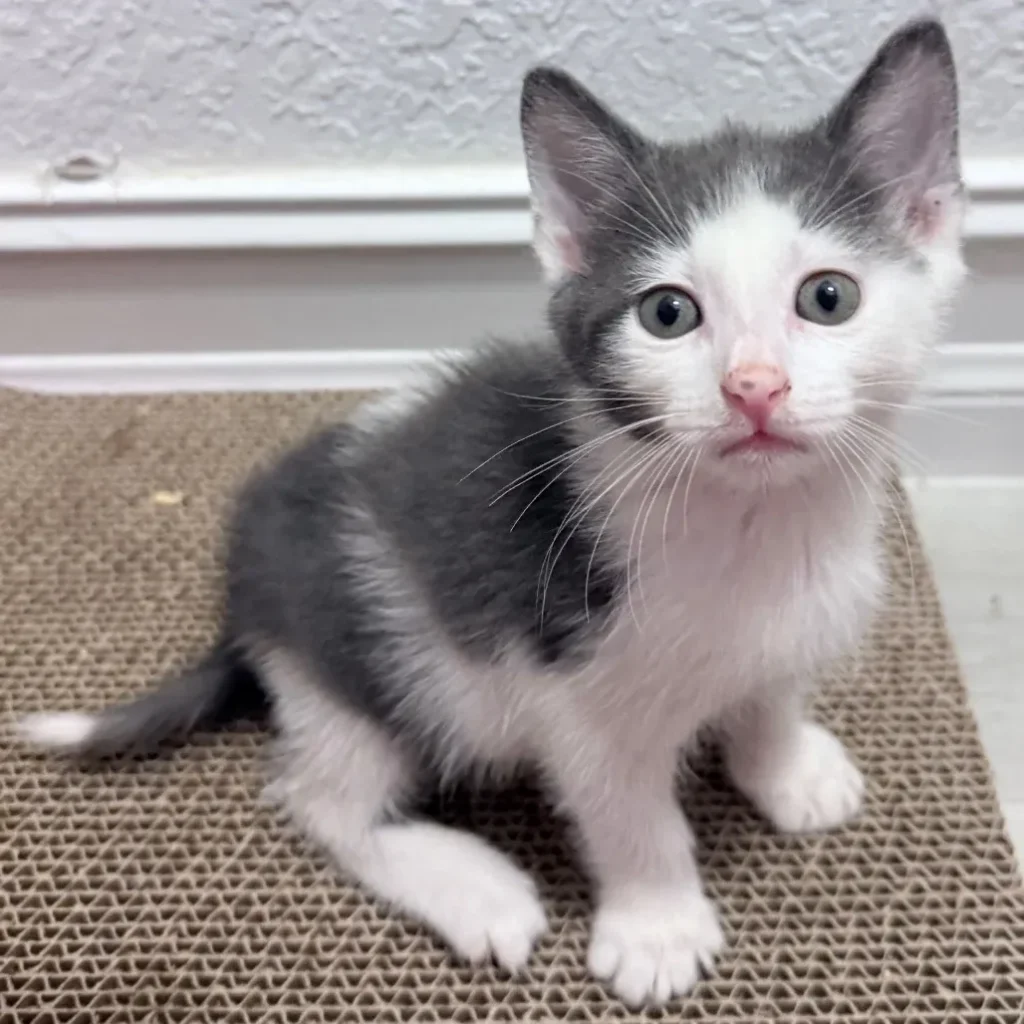
The emotional side of fostering kittens is real.
You may feel attached. You may worry about doing things right. You may wonder if saying goodbye will be too hard.
Those concerns are normal, especially for first-time foster caregivers in South Florida who want to help but do not want to make a decision blindly.
Fostering is not emotionless work. It is temporary care with real connection, clear responsibility, and a planned transition at the end.
Here is what that can feel like in practice.
Key Takeaways: Is the emotional side of fostering kittens manageable?
- Getting attached to foster kittens is expected.
- Saying goodbye can be hard, even when the adoption is good news.
- Wondering if you should keep a foster kitten is common.
- The first few days often feel the most uncertain.
- Most confidence comes from routine, not from knowing everything upfront.
- Fostering can change how you understand rescue work.
- Emotional reactions are normal, but they do not mean fostering is the wrong choice.
1. You Will Get Attached
You will probably get attached to your foster kittens.
That does not mean you failed at fostering. It means you cared for them consistently.
Daily feeding, cleaning, playtime, health checks, and quiet moments create a bond quickly. Kittens may learn your voice, follow your routine, or start looking to you for comfort.
Best Friends explains that fostering can last a night or two or several weeks, depending on the pet’s needs and the foster’s lifestyle and schedule. That short timeframe can still create real attachment.
The goal is not to avoid connection. The goal is to understand that connection can exist inside a temporary role.
2. Saying Goodbye Can Feel Hard
Saying goodbye may feel harder than expected.
Even when you know the kitten is moving into an approved adoptive home, the change can feel strange. Your routine shifts. The room feels quiet. You may replay little moments from the placement.
That sadness does not mean the placement went wrong.
It usually means the kitten was cared for well enough to become part of your daily rhythm.
For many fosters, goodbye becomes easier when they understand the purpose of the handoff: the kitten is leaving temporary care because they are ready for the next step.
3. You May Wonder If You Should Keep Them
Many foster caregivers wonder if they should adopt their foster kitten.
This is common, especially after the kitten starts to feel settled in your home.
The feeling does not automatically mean adoption is the right next step. It may simply mean the bond is strong.
Adoption is a separate decision from fostering. It should consider your household, long-term schedule, resident pets, finances, and whether permanent ownership truly fits your life.
Fostering is designed to help kittens reach adoption readiness. Sometimes that adoption is with the foster. Often, it is with another approved home.
4. The First Few Days Can Feel Overwhelming
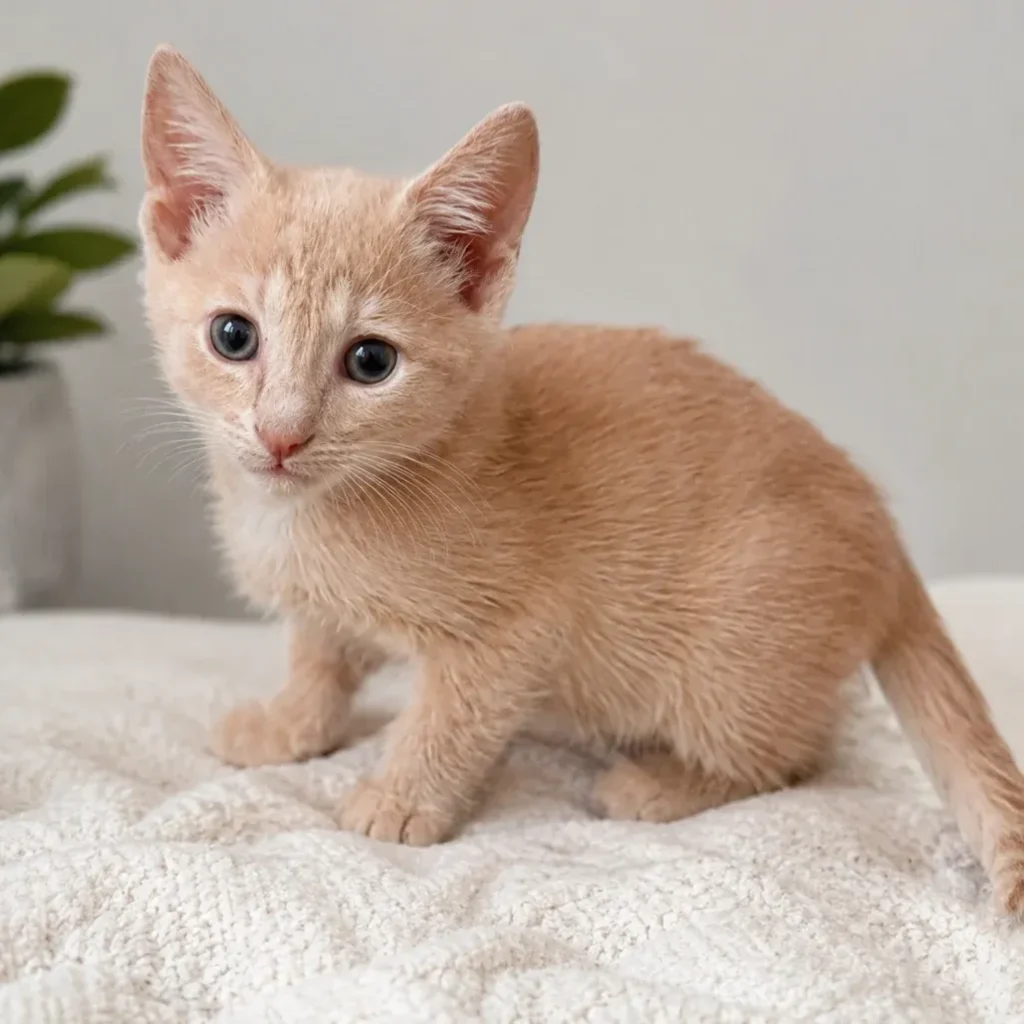
The first few days are usually the most uncertain.
You are learning the feeding routine, watching behavior, setting up the space, checking litter habits, and trying to understand what is normal.
That is a lot at once.
The ASPCA describes fostering as temporary care for an animal in a home while they wait for adoption, recover, decompress, or grow and develop. That “decompress” period matters because kittens may need a few days to settle after a move.
Once feeding, cleaning, and sleep patterns become familiar, the placement usually feels easier to manage.
5. You Will Worry About Doing Everything Right
First-time fosters often worry that they are missing something.
Is the kitten eating enough? Sleeping too much? Playing too hard? Hiding too long?
Those questions are normal.
You do not need to know everything before fostering. You need to follow the care instructions, observe daily patterns, and communicate when something seems off.
Best Friends notes that foster programs may provide food, supplies, support, and veterinary care, while the foster provides the home environment and daily care.
Confidence usually comes after a few days of repetition.
6. You May Feel More Responsible Than Expected
Fostering can feel emotionally heavier than people expect because the kittens are in your home.
You are the person seeing their appetite, energy, play, sleep, and comfort every day. That closeness can make small changes feel important.
This is one reason clear communication matters. Foster caregivers should not have to guess through every concern alone.
For Happy Whiskers, daily foster care works best when updates are shared early, questions are asked quickly, and medical concerns are coordinated instead of handled alone.
The responsibility is real, but it should not feel isolated.
7. You See Rescue Differently Afterward
Fostering often changes how people see rescue work.
Before fostering, rescue may seem like something that happens at shelters, clinics, or adoption events. Once kittens are in your home, you see the smaller steps that make adoption possible.
Meals matter. Clean space matters. A calm room matters. Noticing behavior matters. Showing up for the full placement matters.
Maddie’s Fund describes foster programs as part of organized shelter and rescue operations, including clear procedures, caregiver expectations, and pathways for animals moving through care.
After one placement, rescue feels less abstract. You can see how one household helps move kittens from intake to adoption.
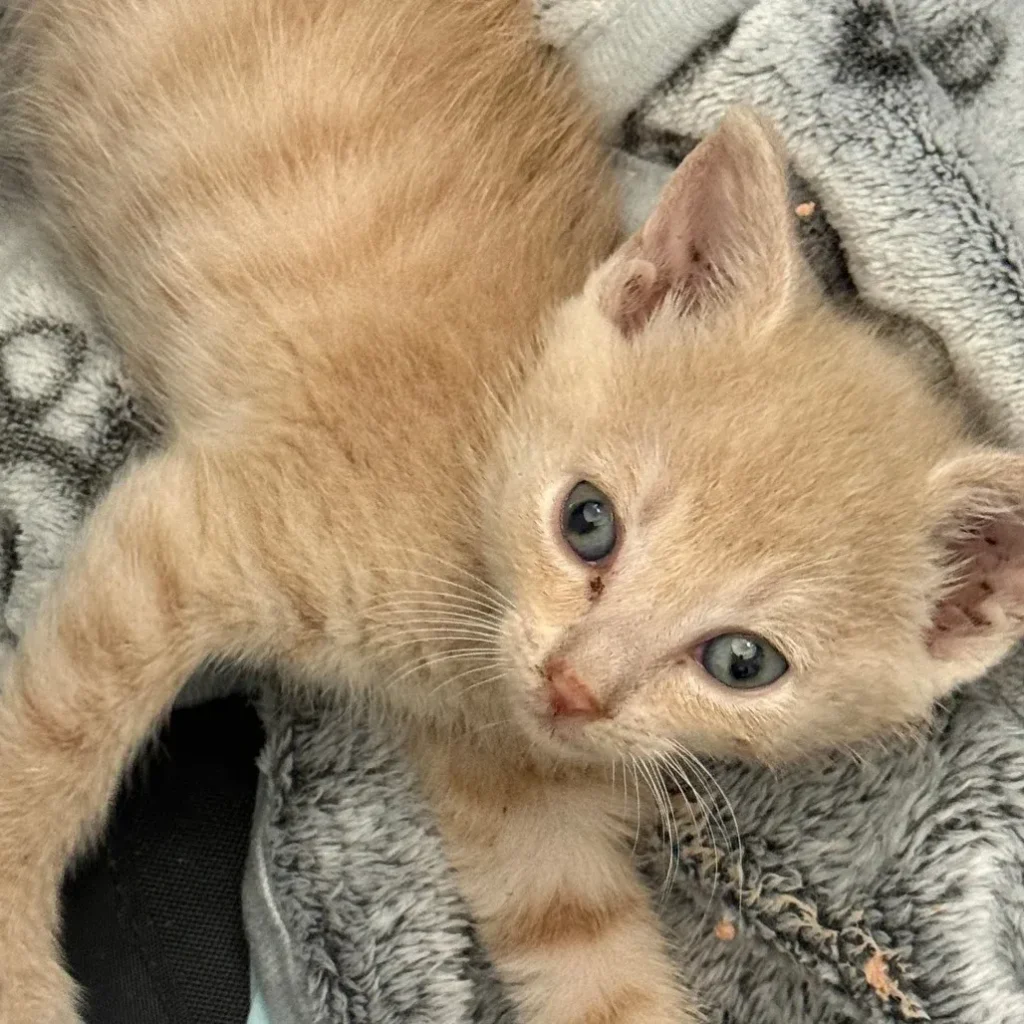
The emotional side of fostering kittens includes attachment, uncertainty, responsibility, and goodbye.
Those feelings are normal. They do not mean you are unprepared or that fostering is too much. They mean the role involves real care during a temporary stage of a kitten’s life.
With clear expectations, communication, and a defined placement, many foster homes find the emotional side becomes easier to understand after the first experience.
If you are in South Florida and want to know what fostering would look like for your household, you can learn how our foster program works.