
Do you need experience to foster kittens before applying to a rescue program? This is one of the most common questions people ask when they first consider helping animals. The idea of caring for young kittens can feel intimidating, especially if you have never raised kittens before or do not know what the daily routine looks like.
In South Florida, foster homes play an essential role in helping rescues care for kittens that are too young for adoption. Many people who want to help hesitate because they worry they may not have the right background or skills. Concerns about feeding schedules, health monitoring, or handling unexpected situations can make fostering seem more complicated than it actually is.
Understanding how rescue foster programs are structured can make the decision much clearer. This article explains whether experience is required, how rescues support first-time foster parents, and what types of placements are often a good fit for beginners.
Key Takeaways
- Most cat rescues do not require prior experience to foster kittens.
- Foster programs are designed to guide and support first-time volunteers.
- Rescues typically provide instructions, veterinary coordination, and ongoing communication.
- Many beginner foster homes start with older, weaned kittens that are easier to care for.
- Reliability, patience, and communication are often more important than previous experience.
- Fostering allows kittens to grow safely in a home environment until they are ready for adoption.
Why Many People Assume Experience Is Required
Many people who are interested in helping kittens hesitate because they believe foster programs require prior experience. Caring for young animals can sound complicated, especially for someone who has never raised kittens before. As a result, potential volunteers often assume that rescues only accept people who already know how to handle feeding, litter training, or common health concerns.
Several common worries contribute to this assumption. People may wonder whether they would recognize if a kitten is sick, whether they would know how often kittens should eat, or whether they would be able to handle unexpected situations. Without a clear understanding of how rescue foster programs operate, it is easy to assume that experience is required before getting involved.
In rescue work, however, many foster families begin with little or no experience raising kittens. Foster programs are designed with the understanding that new volunteers may be learning as they go, which is why rescues provide structure, guidance, and ongoing support to help foster homes succeed.
Most Cat Rescues Do Not Require Prior Kitten Experience
Many people are surprised to learn that most cat rescues do not require previous kitten experience to become a foster parent. Rescue programs depend on volunteers from many different backgrounds. Some foster homes have years of experience with cats, while others are caring for kittens for the first time.
In rescue work, reliability and compassion are usually more important than technical knowledge. Foster volunteers provide a temporary home where kittens can grow, socialize, and prepare for adoption. The rescue organization manages the broader process, including veterinary care, placement coordination, and adoption planning.
Because of this structure, rescues expect that many foster families will be new to the experience. Programs are designed so that volunteers can learn while they foster, with guidance available when questions arise.
Most foster homes are responsible for a few simple, consistent tasks:
- Providing a safe indoor space for the kittens
- Feeding them according to guidance from the rescue
- Monitoring their behavior and appetite
- Communicating with the rescue if any concerns arise
When these basic responsibilities are handled reliably, foster homes become a critical part of the rescue system. Without volunteers who are willing to learn and participate, many kittens would not have a safe place to stay while they wait for adoption.
How Rescues Support First-Time Foster Parents
Rescue organizations understand that many foster volunteers are caring for kittens for the first time. Because of this, foster programs are structured to provide guidance and support throughout the placement. The goal is to make the experience manageable while ensuring the kittens receive consistent care.
Most rescues begin by giving foster families clear instructions for daily care. This typically includes guidance on feeding schedules, litter box setup, and basic signs of healthy behavior. Simple routines help new foster parents feel more confident during the first few days of a placement.
Veterinary care is also coordinated through the rescue. Kittens in foster care usually receive vaccinations, deworming, and medical checkups arranged by the rescue team. Foster homes monitor the kittens and report any concerns, while medical decisions are handled through the rescue’s veterinary network.
Communication is another important part of the support system. Foster coordinators remain available to answer questions and provide advice if something unexpected happens.
At our rescue, we stay in regular contact with foster families and provide guidance when needed. New foster parents are never expected to manage a situation alone. With clear communication and structured support, most volunteers quickly become comfortable caring for kittens.
Types of Foster Placements That Work Well for Beginners
Rescues usually match foster homes with kittens whose care needs fit the foster parent’s experience level and availability. This approach helps first-time volunteers build confidence while ensuring kittens receive appropriate care.
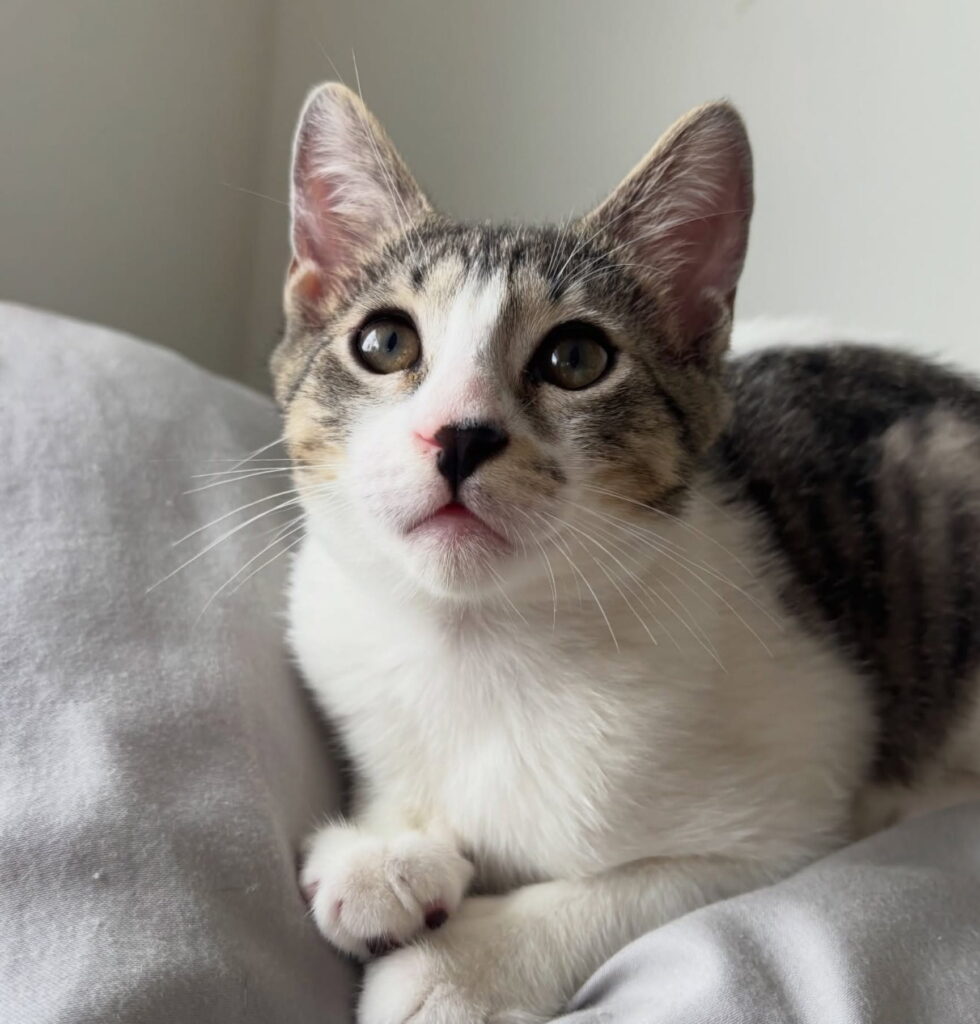
Many beginners start with kittens that are already weaned. These kittens are old enough to eat solid food and typically use a litter box on their own. Their daily routine is usually straightforward and involves feeding, basic cleaning, and monitoring their activity and health.
Some foster placements are also short-term. For example, kittens may need a temporary home while they wait for adoption or while space becomes available at an adoption event. These placements allow new foster parents to learn the process without committing to a long foster period.
Another common placement for beginners involves kittens that need additional socialization. Spending time playing with and gently handling kittens helps them become comfortable around people, which improves their chances of adoption.
In rescue work, placement decisions are usually made carefully. Most rescues try to match foster homes with kittens whose needs align with the foster parent’s schedule, comfort level, and household environment. This matching process helps new foster volunteers start with situations that are manageable and rewarding.
When Experience Can Be Helpful (But Not Required)
While most foster placements do not require prior experience, some situations can benefit from volunteers who have cared for kittens before. These placements often involve younger or more medically sensitive kittens that need closer monitoring or more frequent care.
Examples of placements where experience can be helpful include:
- Neonatal kittens that require bottle feeding every few hours
- Very young litters that still need help regulating body temperature or learning to eat
- Kittens recovering from illness or injury that may require medication or extra observation
These types of cases are usually assigned to foster volunteers who already feel comfortable with more advanced care routines. Rescues typically build this experience gradually over time.
For most first-time foster parents, the initial placement is much simpler. Beginners often start with kittens that are older, weaned, and already eating solid food. This allows new volunteers to learn the daily routine of fostering without needing specialized skills. As foster parents gain experience, some choose to take on more complex placements in the future.
What Matters More Than Experience When Fostering Kittens
While experience can be helpful, most rescues focus on qualities that make foster homes dependable and supportive for the kittens in their care. In many cases, these qualities are more important than previous experience raising kittens.
Successful foster homes usually share a few common traits:
- Consistency with daily care, including feeding and cleaning routines
- Willingness to communicate with the rescue if questions or concerns arise
- Patience while kittens adjust to a new environment
- A safe indoor space where kittens can rest, eat, and play comfortably
- Openness to learning basic care practices along the way
In rescue work, kittens often arrive from unpredictable situations. A calm, attentive home environment helps them grow and develop normally while they wait for adoption.
Rescues rely on volunteers who are responsible and willing to follow guidance. With those qualities in place, most people quickly become comfortable caring for foster kittens. Experience often develops naturally after the first placement, as foster parents learn the routines and rhythms of daily kitten care.
How to Get Started as a First-Time Foster in South Florida
If you are considering fostering kittens in South Florida, the first step is learning how the foster process works and what foster homes typically provide. Most rescues begin with a short application and a conversation about your home environment, schedule, and comfort level with animal care. This helps the rescue determine what type of foster placement would be the best fit.
At Happy Whiskers Animal Coalition, foster volunteers receive guidance on kitten care and support throughout the placement. New foster parents are not expected to manage everything independently.
If you would like to understand the full process, including expectations, support, and how placements are coordinated, you can learn more about how becoming a kitten foster home works on our foster page.
Fostering kittens is often more manageable than people initially assume. Most rescue organizations do not require prior experience because their programs are structured to guide volunteers through each stage of the placement. Clear care instructions, coordinated veterinary support, and consistent communication help foster homes feel supported while caring for the kittens.
The most important role of a foster home is to provide a safe, attentive environment where kittens can grow until they are ready for adoption. Many foster volunteers begin with little or no experience and become comfortable with the daily routine after their first placement.
For those in South Florida who want to support cats in their local community, fostering offers a practical way to help. If you would like to learn more about how fostering works and what foster homes typically provide, you can read more about becoming a kitten foster home and how the process works on our foster page.