
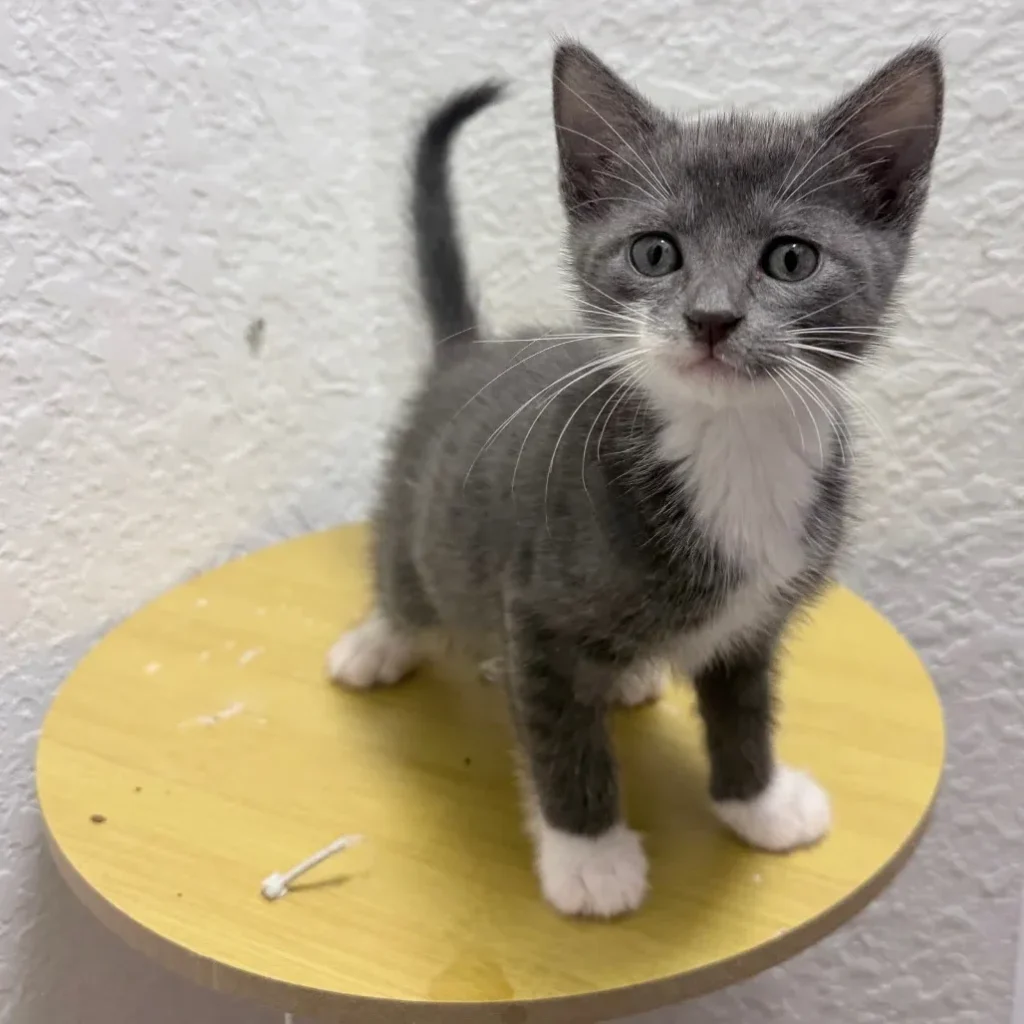
A cat’s adoption journey often starts before an adopter sees their photo or meets them.
In a foster-based rescue, the time before adoption gives us a chance to see how a cat responds to people, handling, household sounds, and daily routines. Some cats settle quickly. Others need days or weeks before they begin eating comfortably around people, playing, or approaching their foster.
Cat socialization before adoption helps build trust and gives us practical information about the cat before they move into a permanent home.
Here’s why that work begins before adoption.
Key Takeaways: Why Does Cat Socialization Before Adoption Matter?
- Socialization helps cats learn that people, handling, and normal home routines can be safe.
- Foster homes show us how a cat behaves during everyday home life.
- A socialized cat may still hide or move slowly after adoption.
- Gentle, repeated interaction is especially useful for young kittens.
- What we observe before adoption helps us explain the cat’s needs to potential adopters.
What Does Cat Socialization Mean Before Adoption?
Cat socialization before adoption means helping a cat become more comfortable with people and normal home life before moving into a permanent home.
It does not mean forcing a cat to become affectionate or outgoing.
For a shy cat, progress may mean eating while the foster sits in the room instead of waiting until everyone leaves. Later, the cat may approach for a treat or allow a few seconds of gentle touch.
A kitten may become comfortable being picked up briefly, playing near people, or hearing normal household sounds without immediately hiding.
Socialization is the process of building trust through safe, repeated experiences.
Cats arrive in rescue care with different histories. We use their behavior to set the pace rather than expecting every cat to respond the same way.
Our guide to adopting a cat in South Florida explains how a cat’s behavior and needs can affect the adoption match.
Why Does Socialization Start Before a Cat Meets an Adopter?
A cat needs time to settle before we can accurately describe their behavior.
The first day or two in foster care may tell us very little. A cat may hide, refuse to play, or wait until the room is empty before eating. After a week of the same feeding routine and caregiver, that cat may begin approaching for treats or sleeping in the open.
Those changes give us useful information.
We can see how quickly the cat adjusts, what seems to frighten them, and how they respond when a person enters the room or attempts gentle interaction.
Without that observation period, an adopter may meet a frightened cat and assume that behavior is permanent. The opposite can happen too. A cat may appear confident during a short meeting but struggle with changes in routine once moved.
Pre-adoption socialization gives us more behavior to work with before describing the cat to potential adopters.
How Do Foster Homes Help With Cat Socialization?
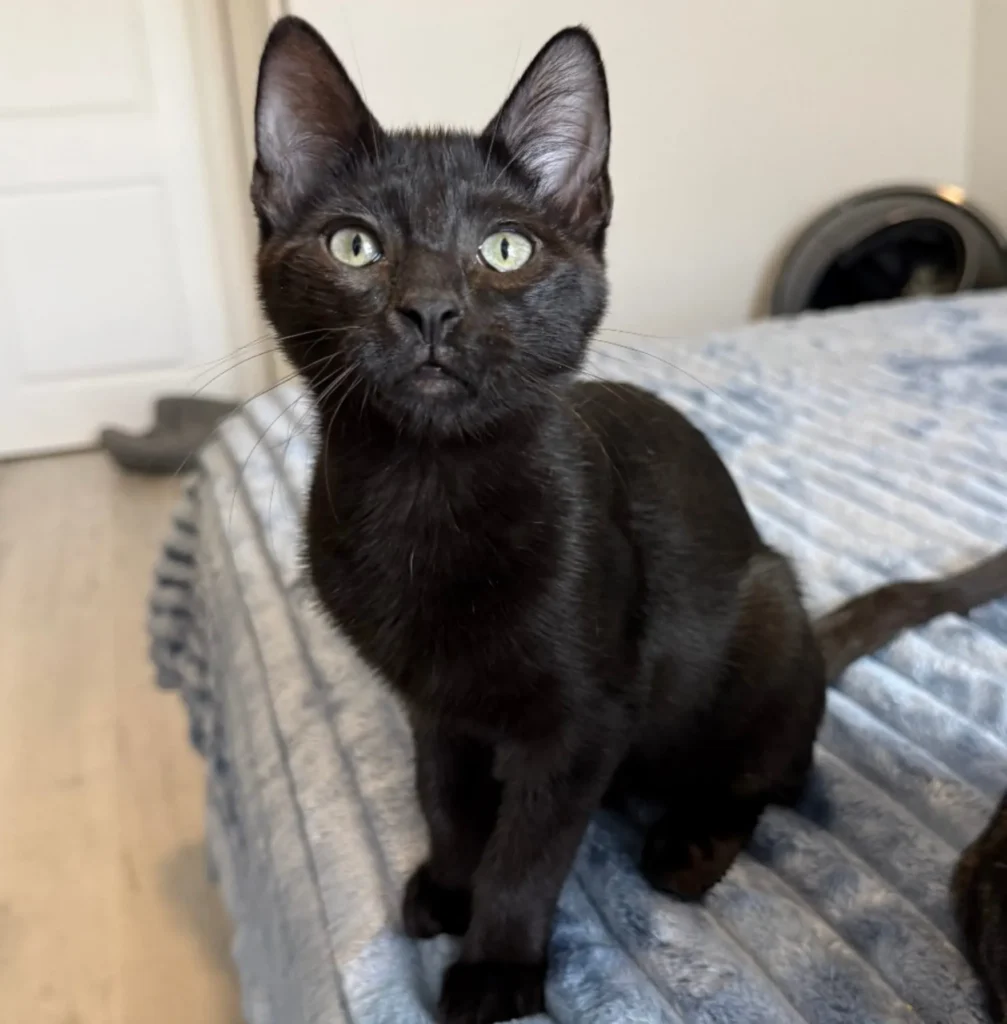
Foster homes give cats repeated exposure to normal household routines.
A foster cat may hear doors open and close, watch people move through the room, learn when meals arrive, and see that the same caregiver returns each day. These ordinary experiences can help a cat become less guarded.
Fosters also notice small changes that matter.
A cat may begin playing only after the room becomes quiet. Another may seek attention from adults but hide when several people enter at once. A kitten may constantly follow another kitten and become vocal when separated.
We use those observations when talking with potential adopters.
A short adoption event can show us how a cat behaves in that setting. Foster care gives us days or weeks of information from the place where the cat spends most of their time.
Why Is Kitten Socialization Especially Time-Sensitive?
Young kittens learn from repeated experiences with people and their environment.
Short periods of gentle handling, play, feeding, and calm human contact can help kittens become more comfortable around people before adoption.
The interactions do not need to be complicated. A foster may hold a kitten briefly, sit nearby during meals, or use a wand toy to encourage play while people are in the room.
The kitten learns through repetition.
For kittens that arrive fearful of people, the pace may be slower. We watch whether the kitten will eat nearby, engage in play, or remain calm during brief handling before increasing interaction.
Kittens need safe, age-appropriate contact with people rather than constant attention.
This early work gives us a better idea of how the kitten responds to handling and what an adopter may need to continue at home.
How Does Pre-Adoption Socialization Help Adopters?
Pre-adoption socialization gives adopters more information than a photo or short meeting can provide.
We can explain that a cat seeks attention once comfortable but usually hides when someone new enters the home. We may know that a kitten enjoys being handled but becomes distressed when separated from another cat.
These details affect the adoption decision.
A family looking for a cat that immediately interacts with frequent visitors may not be the best match for a cat that needs several days to approach new people. Someone comfortable giving a cat a quiet room and time to settle may be a much better fit.
Socialization does not create a perfect personality profile. It gives us observed behavior we can discuss before the cat moves.
What Does Socialization Not Guarantee?
A cat that was comfortable in foster care may still hide after adoption.
The new home has different smells, voices, rooms, and routines. Even a friendly cat may spend the first few days watching from under a bed or coming out only when the house is quiet.
That does not erase the progress made in foster care.
If we know a cat began approaching their foster after several quiet days, we can share that history with the adopter. If the cat preferred eating in a quiet room or responded well to play, those details can help the adopter recreate familiar parts of the routine.
Pre-adoption socialization gives the adopter a starting point. The cat still needs time to learn that the new home and new people are safe.
Thinking About Adopting a Cat in South Florida?
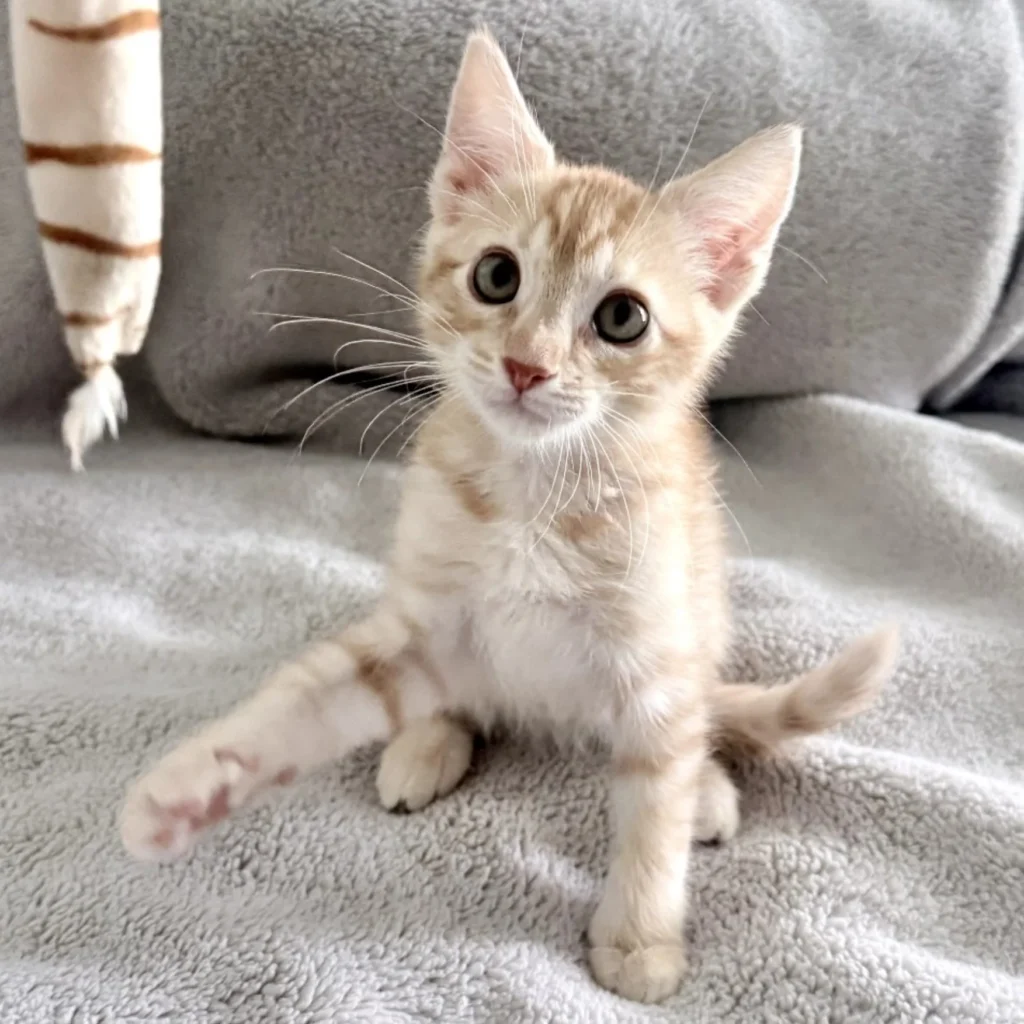
At Happy Whiskers Animal Coalition, foster care gives us time to observe cats in home settings before adoption whenever possible.
That may mean learning that a cat in a Broward County foster home needs several quiet days before approaching people. Another cat may settle quickly and begin seeking attention almost immediately.
We use those observations to give potential adopters clearer information about the cat they are considering.
If you are thinking about adoption, ask how the cat behaves in foster care. Ask what the first few days looked like, how the cat responds to new people, and what routines seem to help them settle.
You can also learn more about adopting a cat from Happy Whiskers Animal Coalition and review cats currently looking for homes.