
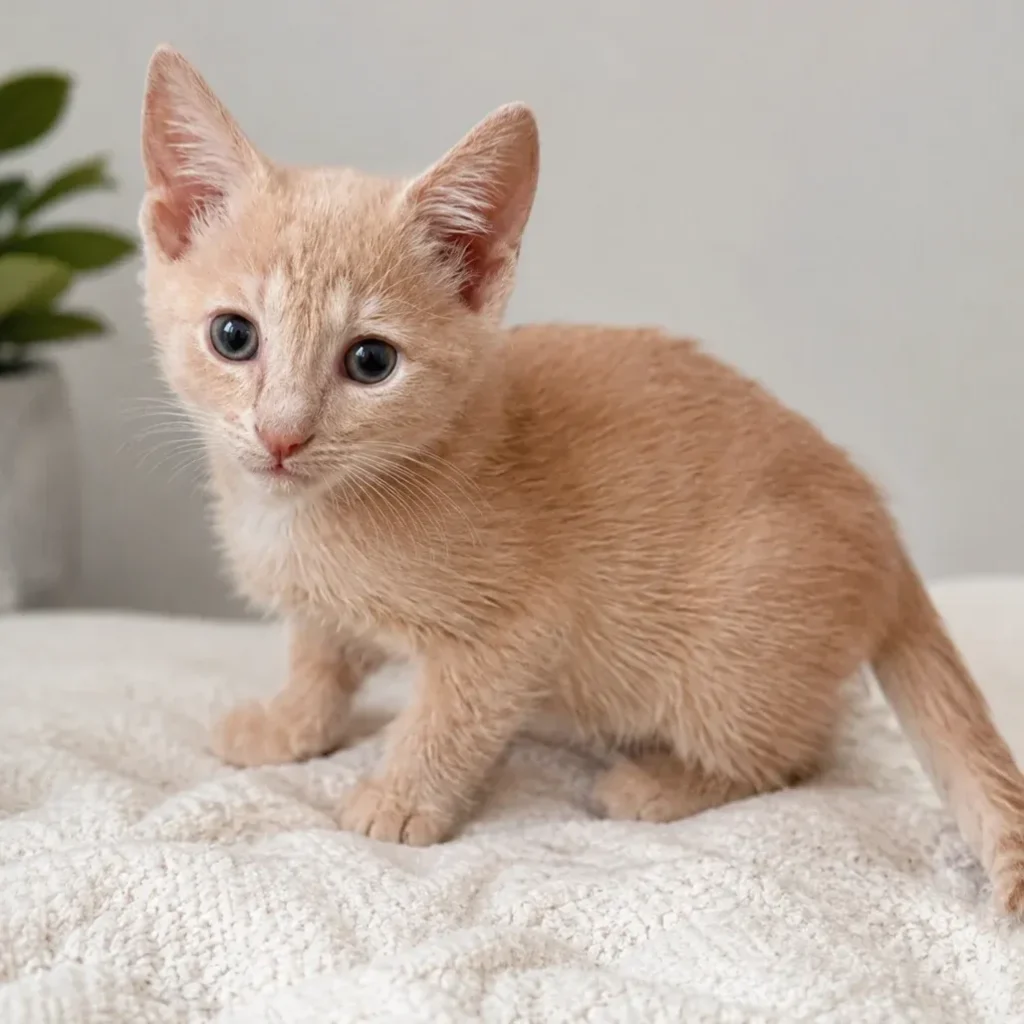
Cat rescues in Broward County regularly receive requests involving kittens, friendly outdoor cats, injured cats, and cats that can no longer stay in their current homes.
Wanting to help is only the beginning. Before accepting a cat, a foster-based rescue needs an appropriate foster home, a care plan, veterinary coordination, transportation, and people available to handle the work between intake and adoption.
When one of those pieces is missing, the rescue may have to delay or limit intake.
Here are seven practical challenges local cat rescues deal with and why volunteer help matters.
Key Takeaways: What Challenges Do Local Cat Rescues Face?
- Foster space directly limits how many cats a foster-based rescue can accept.
- Kitten season can fill available homes quickly and create cases requiring closer monitoring.
- Veterinary care requires funding, appointments, transportation, and follow-up.
- Cats may remain in foster care longer when adoption interest is slow or a specific home is needed.
- Volunteers help with transport, supplies, events, communication, and other work that keeps foster placements moving.
- Rescue capacity depends on having people who can reliably handle specific tasks when they are needed.
1. Kitten Season Can Fill Foster Homes Quickly
Kitten season creates a sharp increase in placement requests.
In South Florida, we may receive requests involving nursing mothers, young litters, and kittens found without an obvious caregiver. These cases can occupy foster homes for weeks while kittens grow, receive veterinary care, and prepare for adoption.
Young kittens may also need closer observation. A foster may need to track weight, appetite, energy, and feeding throughout the day. Bottle-fed kittens require a much different schedule than an independent adult cat.
This limits which foster homes can accept them.
If the fosters with kitten experience or flexible schedules are already full, another litter cannot simply be added to an occupied home.
Our guide to volunteering with a cat rescue in Broward County explains some of the local roles that help keep foster cases and rescue logistics moving.
2. Limited Foster Homes Restrict Intake
For a foster-based rescue, foster space is rescue capacity.
When someone contacts us about a cat, we need to know where that cat can safely stay. The answer depends on more than whether a foster has an empty room.
A home with resident cats may need isolation space. A foster working long hours may be able to care for an adult cat but not young kittens requiring frequent monitoring. Another home may already have a cat recovering from illness and cannot accept a new placement.
These limitations affect intake decisions.
A carrier, veterinary appointment, or bag of donated food does not replace an appropriate foster home.
When every suitable foster is occupied, we may have no safe placement for the next cat needing help.
3. Veterinary Care Requires More Than Paying the Bill
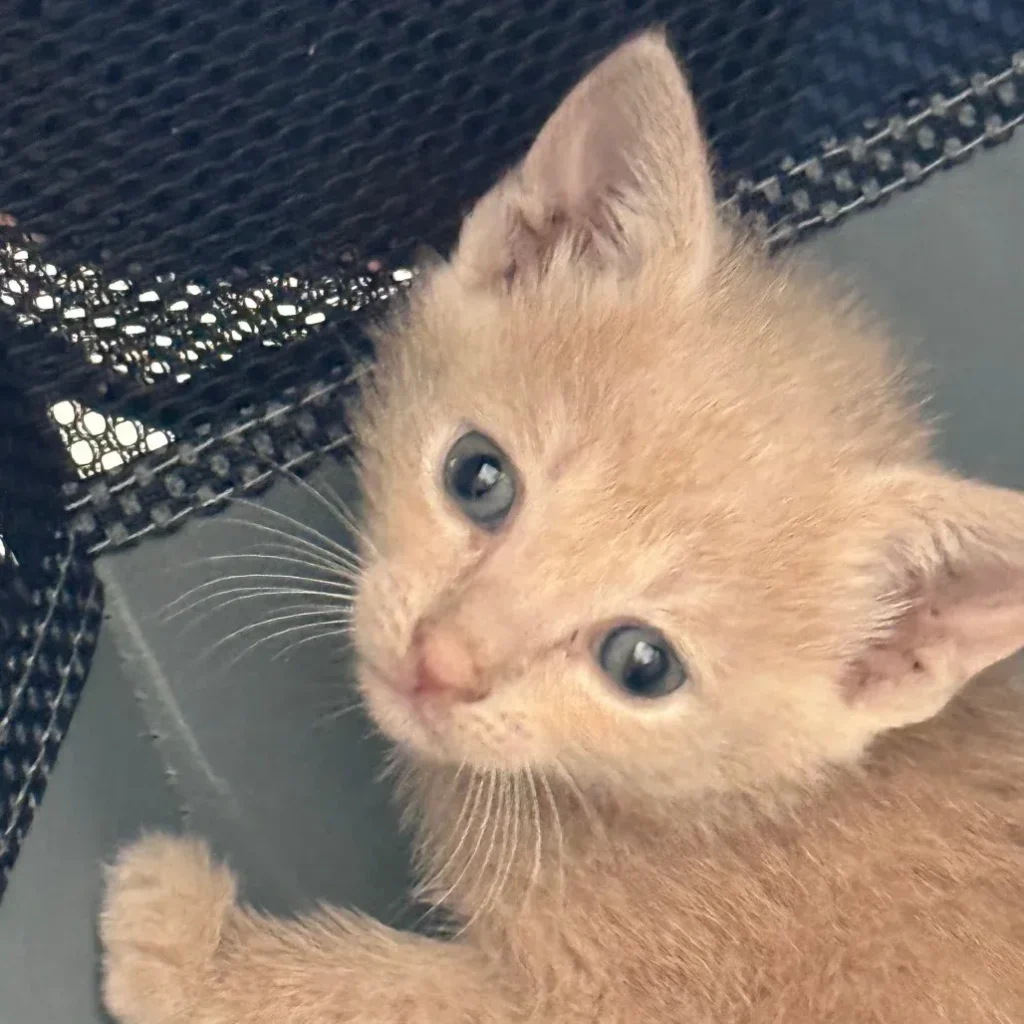
Veterinary costs are a major rescue expense, but scheduling and transportation can create problems too.
A cat may need an exam, vaccines, testing, medication, spay or neuter surgery, or follow-up care. Each appointment has to fit the veterinary provider’s availability and the cat’s care timeline.
Then someone has to get the cat there.
A foster working during the day may not be able to handle a weekday appointment across Broward County. A volunteer may need to pick up the cat, transport them in a secure carrier, and return them to the foster afterward.
Medical care can also delay adoption preparation when follow-up is still needed.
One missed appointment can affect several next steps, especially when a procedure or recheck needs to happen before the cat is ready for adoption.
4. Adoption Interest Does Not Move at the Same Pace as Intake
New requests for help can arrive while several cats are already waiting in foster care.
Some kittens receive adoption interest quickly. A shy adult, senior cat, bonded pair, or cat with specific home needs may wait longer.
During that time, the foster placement remains occupied.
For example, a cat that hides around frequent visitors may need an adopter comfortable giving them a quieter setup and time to settle. Placing that cat in the first available home simply to reopen foster space can create a return later.
A return creates another immediate placement problem because the original foster may already have accepted another cat.
We use foster observations to explain a cat’s behavior and help potential adopters understand the type of home the cat may need.
5. Rescue Work Creates Constant Transportation and Handoff Needs
Cats and supplies move between different places.
A cat may travel from an intake location to a foster home, then to a veterinary appointment, back to the foster, and later to an adoption event. Food, litter, carriers, and other supplies may also need to be picked up and delivered.
These handoffs take time to coordinate.
A foster in Coral Springs may need a carrier before a morning appointment. Donated litter may need to be collected elsewhere in Broward County and split between several homes. An adoption event may need cats transported and picked up at specific times.
One reliable transport volunteer can solve a specific scheduling problem without requiring that person to foster a cat.
This is one reason volunteer help outside direct cat care is useful.
6. Many People Do Not Know How Foster-Based Rescue Works
People sometimes contact a foster-based rescue expecting a public shelter with open kennels and staff available to accept a cat immediately.
Happy Whiskers Animal Coalition does not operate that way.
Our cats stay in foster homes. Volunteers coordinate transportation, supplies, adoption work, and other tasks around those placements.
That means an intake request cannot be handled by simply finding an empty cage.
We need to know what the cat needs, which foster setup may fit, whether veterinary care needs to be arranged, and how the cat will get to the next location.
Understanding that process also helps local residents choose useful ways to help. Someone who cannot foster may still be able to cover a transport, help prepare an adoption event, pick up supplies, or handle another volunteer task.
7. Too Much Rescue Work Can Fall on Too Few People
Rescue work becomes difficult to sustain when the same small group handles every urgent task.
One person may be answering intake messages while coordinating a veterinary appointment and trying to find transportation. A foster may be caring for kittens while also being asked to pick up supplies or attend an event.
The problem is not a lack of tasks. It is whether someone is available to take ownership of a specific task and follow through.
Reliable volunteer coverage helps divide that work.
If someone agrees to handle a transport, we need them to communicate if the schedule changes. If a volunteer covers an adoption event shift, we plan around that person being there.
A few dependable hours each month can be useful when they cover work that would otherwise fall back on the same foster or coordinator.
How Broward County Residents Can Help Local Cat Rescues
The challenges facing cat rescues in Broward County are practical.
Cats need appropriate foster placements. Veterinary appointments need transportation. Supplies need to reach foster homes. Adoption events need coverage. Messages, applications, and handoffs need people available to handle them.
You do not need to solve all of those problems.
If you can reliably help with one type of work, tell us what your availability and transportation look like. That gives us a better idea of where your time may actually be useful.
If you want to help Happy Whiskers Animal Coalition, you can review our volunteer opportunities and see which types of rescue work may fit your schedule.