
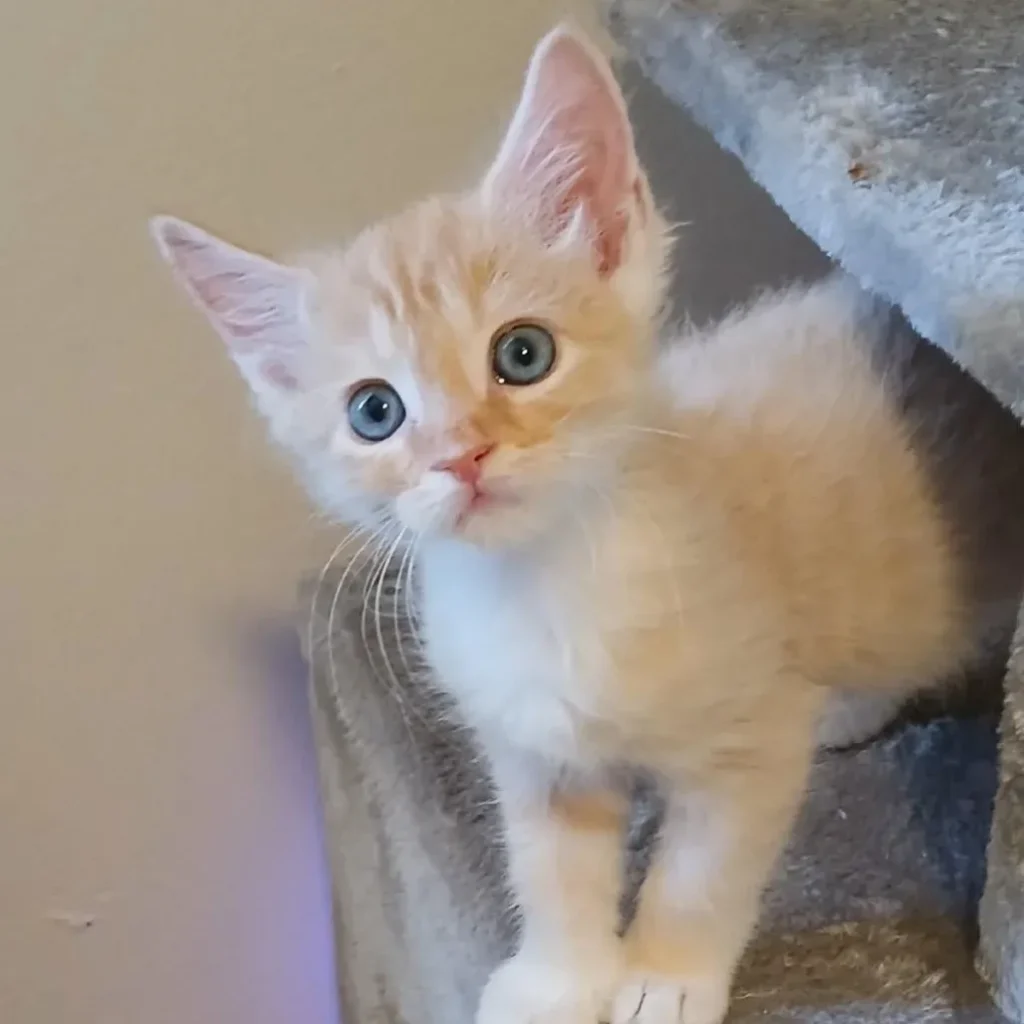
Some of the most encouraging moments in foster care are easy to miss.
A kitten eats while you are still in the room. A cat who has been hiding sleeps on top of the blanket instead of underneath it. The foster who ignored every toy yesterday suddenly chases a wand for ten seconds.
When progress feels slow, these small changes give foster parents something specific to look at.
Here are seven small wins that can help with cat foster parent motivation during a placement.
Key Takeaways: What Helps Cat Foster Parents Stay Motivated?
- Eating, playing, resting in the open, and approaching people can all show that a foster cat is adjusting.
- Progress may happen over days or weeks rather than during the first night.
- Daily routines help foster parents notice small behavior and health changes.
- Clear foster updates give us information we can use when coordinating care and preparing for adoption.
- A cat does not need a dramatic personality change for a foster placement to be working.
- Seeing a foster move into an adoptive home can make the difficult goodbye easier to understand.
1. The Cat Stops Hiding for a Few Minutes
A foster cat does not need to walk into your lap to show progress.
The first change may be much smaller.
A cat who stayed behind the carrier all day may sit outside it while the room is quiet. A kitten may remain visible while you clean the litter box instead of immediately running to hide.
Notice those changes.
Our guide to fostering cats in Broward County explains more about what foster care can look like during a cat’s adjustment period.
When a cat begins spending more time in the open, we learn that something about their behavior is changing. Tell us what you are seeing rather than waiting for a dramatic transformation.
2. A Shy Kitten Eats While You’re Nearby
Food can give foster families a simple way to track how comfortable a kitten is around people.
During the first few days, a nervous kitten may wait until you leave before approaching the bowl.
Then one morning, the kitten starts eating while you sit across the room.
A few days later, they may approach as soon as they hear the food being prepared.
These changes are easy to overlook because the kitten may still avoid being picked up or touched. But eating in your presence gives us more specific information than simply describing the kitten as “shy.”
For a foster who has spent several days wondering whether the kitten is becoming more comfortable, that first meal together can be a noticeable win.
3. The First Toy Finally Gets a Reaction
You move a wand toy across the floor and the kitten watches.
The next day, they watch again.
Then a paw reaches out.
That short interaction can tell us something new about the kitten.
Play may show when a cat is most active, which toys interest them, and how comfortable they are interacting with a person from a distance. A kitten who avoids hands may still chase a wand toy across the room.
Fosters can share those details with us.
“Plays with a wand toy every evening but still backs away from petting” gives us a clearer picture of the kitten than “nervous around people.”
4. You Notice a Better Meal, Weight, or Energy Level
Some foster wins show up during basic daily care.
A kitten finishes the meal they had been leaving half-eaten. A weight check shows progress. A cat who spent most of yesterday sleeping gets up when breakfast arrives.
These details matter because foster families see the cat between vet appointments and rescue check-ins.
You do not need to decide whether a change is medically significant on your own. We need you to notice it and give us accurate information.
If a kitten is being weighed, keep the records we ask for. If appetite or energy changes, tell us when the change started and what you have observed.
Seeing a kitten gain weight or return to their normal meal routine can also give a foster something measurable to look at when the placement has otherwise felt quiet.
5. You Realize You Know What Is Normal for Your Foster
During the first few days, almost everything a foster cat does may feel unfamiliar.
After some time, you begin learning their routine.
You know that Oliver normally comes out when wet food opens. You know Luna sleeps most of the afternoon but plays in the evening. You know one kitten in the litter always finishes eating before the others.
That familiarity makes your observations more useful.
If Oliver suddenly stays hidden through breakfast, you know that is different. If Luna skips her usual evening play session, you have a specific behavior change to report.
For many new foster parents, this is an encouraging point in the placement. You are no longer watching an unfamiliar cat and wondering about every movement. You have learned enough about that individual cat to notice when their normal pattern changes.
6. You Can Describe the Cat Better Than You Could a Week Ago
At intake, we may know a cat’s approximate age, medical needs, and a limited amount about their behavior.
Foster homes give us more detail.
After a week or two, you may be able to tell us that the cat likes wand toys, eats wet food immediately, hides when unfamiliar people enter, or sleeps next to another kitten every afternoon.
Those observations can help us prepare adoption information and speak more clearly with potential adopters.
The win for the foster is realizing that the small things you have been noticing are useful.
You do not need to turn a shy cat into an outgoing cat. Being able to explain what the cat is actually like at home gives us information we did not have before the placement.

7. Your Foster Leaves for an Adoptive Home
Saying goodbye can still be difficult.
But now you know much more about the cat leaving your home than you did when they arrived.
You may remember the kitten who would not eat while you were in the room and now runs toward breakfast. Or the cat who stayed behind a carrier for several days and later began sleeping in the open.
You also gave us the observations, photos, and updates we used while preparing the cat for adoption.
When that foster leaves, the room becomes available again.
For a foster-based rescue, that matters. An open foster space may give us somewhere to place another cat or kitten needing temporary care in South Florida.
Thinking About Fostering in South Florida?
If you are considering fostering, do not expect every day to include obvious progress.
Some placements are quiet. You may feed the cat, clean the litter box, and see very little change for several days.
Then the cat eats while you are nearby. They play for the first time. You realize you can describe their normal routine without thinking about it.
Those are the moments foster families often remember.
Happy Whiskers Animal Coalition provides supplies, approved veterinary care, care instructions, and ongoing support during foster placements. If you live in Broward County or a nearby South Florida community, you can learn how our foster program works.