

A cat’s adjustment after adoption does not follow one fixed timeline. Some cats begin settling within a few days. Others need several weeks before they feel comfortable in a new home.
One of the most common concerns after adoption is uncertainty about what is normal. Hiding, eating less at first, or keeping distance can feel worrying if you do not know how cats usually respond to a new environment.
At Happy Whiskers Animal Coalition, we want adopters to understand that adjustment depends on several factors, including personality, early life history, household activity, and how much change the cat is processing at once.
This article explains three practical reasons some cats take longer to adjust after adoption, so you can recognize normal behavior, respond calmly, and avoid rushing the process.
Key Takeaways: What affects how quickly a cat adjusts after adoption?
- A longer adjustment period is often normal and usually reflects the cat’s personality, history, and comfort level.
- Cats with limited early socialization or uncertain backgrounds often need more time to trust a new home.
- New smells, sounds, rooms, people, and routines can temporarily slow a cat’s behavior after adoption.
- Busy households may need to give a new cat more quiet space and a slower introduction period.
- Progress is best measured by steady eating, litter box use, gradual exploration, and reduced hiding over time.
Understanding the Cat Adjustment Timeline
The cat adjustment timeline after adoption is the period it takes for a cat to feel safe and settled in a new home. Many cats begin adjusting within a few days, but full comfort can take two to six weeks depending on the cat’s background and personality.
Adjustment is gradual. A cat may first learn where to hide, eat, drink, and use the litter box. After that, the cat may begin exploring, watching household routines, and choosing when to interact.
A simple way to think about the adjustment period is:
| Stage | What it may look like | Common timeframe |
| Initial decompression | Hiding, cautious movement, limited interaction | 1–3 days |
| Early adjustment | Eating more regularly, exploring when quiet, watching routines | 3–14 days |
| Settling in | More visible confidence, predictable behavior, selective affection | 2–6 weeks |
These ranges are not strict rules. Cats coming from shelters, foster homes, outdoor environments, or previous households may move through these stages at different speeds.
A cat can still be adjusting well even if it hides during the day. Eating consistently, drinking, and using the litter box are often better early signs than affection or play.
For adopters in South Florida, understanding this timeline can reduce worry during the first few weeks. If you are still exploring adoption and want to understand how placement and support work, you can review our adoption process here: https://happy-whiskers.org/adopt/
Reason #1: Personality and Early Life History
A cat’s personality and early life history strongly affect how quickly it adjusts after adoption. Cats that had steady human interaction early in life may settle faster. Cats with limited handling, outdoor history, or frequent changes often need more time.
Personality also matters. Some cats are naturally curious and begin exploring within hours. Others are cautious and prefer to observe before approaching people. A slow start does not mean the adoption is failing. It often means the cat is processing change carefully.
Common background factors that affect adjustment time include:
| Factor | How it can affect adjustment |
| Limited early socialization | Slower trust-building with people |
| Outdoor or stray history | More caution in enclosed indoor spaces |
| Frequent environment changes | Hesitation before settling into routines |
| Positive early handling | Faster comfort with touch and interaction |
Early behavior is often shaped more by past experience than by the current home. A cat that hides or keeps distance is not rejecting the adopter. It is relying on the safety habits it already knows.
For cautious cats, progress may look small at first. Sitting in the same room, eating while people are nearby, or resting in an open space can all be signs that trust is building.
A shy cat may still become affectionate later. The first few weeks show how the cat handles change, not necessarily how the cat will behave long term.
Key takeaway: A cat’s adjustment speed is shaped by personality and history, not just the quality of the new home.
Reason #2: Stress from Environmental Change
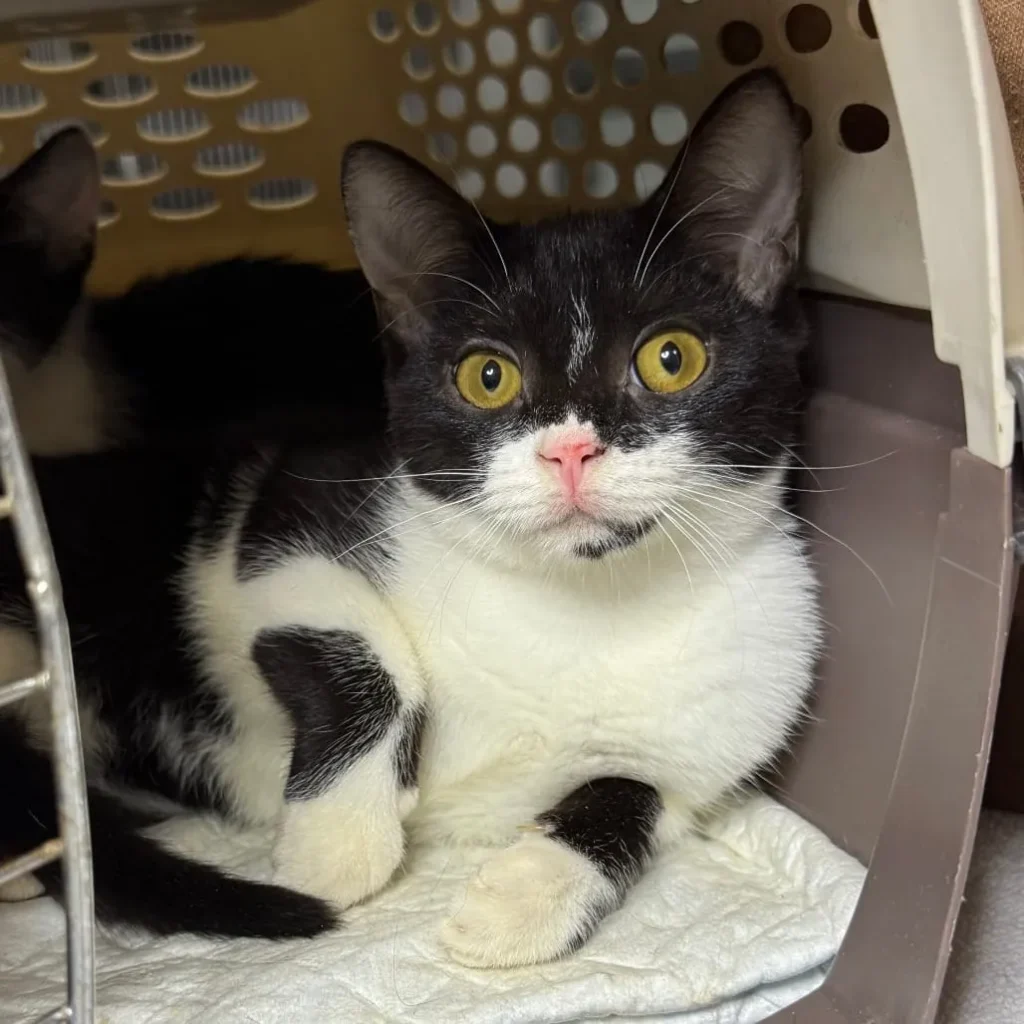
Environmental change is one of the most common reasons a cat takes longer to adjust after adoption. A new home introduces unfamiliar smells, sounds, rooms, people, surfaces, and routines all at once.
This stress is not a behavior problem. It is a normal response to relocation. Even confident cats may become quieter or more cautious when they enter a new space.
Environmental stress can look like:
| Behavior | What it usually means |
| Hiding under furniture | The cat is choosing a safe, controlled space |
| Eating less at first | The cat is sensitive to the new environment |
| Exploring at night | The cat feels safer when the home is quiet |
| Moving cautiously | The cat is learning the layout and routines |
These behaviors usually decrease as the cat learns where food, water, litter, resting spots, and people fit into daily life.
The first stage is often a decompression period. During this time, the cat may not interact much, but it is still learning. It is identifying safe areas, listening to household sounds, and watching patterns.
More interaction does not always speed this up. In the early days, forced attention can make adjustment harder. A stable setup usually helps more than repeated attempts to draw the cat out.
Helpful routines include:
- Feeding at the same times each day
- Keeping the litter box in one stable location
- Giving the cat a quiet area without constant interruptions
- Letting the cat choose when to approach
Environmental stress usually eases once the home feels predictable. The cat may begin exploring during quiet periods, resting in more open spaces, or showing interest in people without being prompted.
Key takeaway: Environmental stress after adoption is usually temporary and decreases as the cat learns the home’s routines.
Reason #3: Household Expectations and Environment Differences
Household pace can affect how quickly a cat adjusts. A home may be safe and loving, but still feel overwhelming if there is too much activity too soon.
Cats usually adjust better when they can observe first. Quick introductions, frequent handling, repeated approaches, or constant attention can slow trust-building, even when the attention is positive.
Household factors that can affect adjustment include:
| Household factor | Possible effect |
| High activity levels | More hiding or delayed exploration |
| Multiple people approaching quickly | Slower trust-building |
| Children or frequent visitors | More cautious behavior at first |
| Frequent noise or room changes | Longer time before the cat feels secure |
In active Broward County households, a newly adopted cat may need extra quiet time before joining normal daily routines. That does not mean the home is a poor fit. It means the cat needs time to learn the rhythm of the household.
Overstimulation happens when a cat receives more attention than it can process. Healthy engagement gives the cat control. Short, calm interactions are usually better than repeated attempts to pet, pick up, or coax the cat out.
Signs that the household pace may be too fast include:
- The cat hides during the day but explores at night
- The cat eats normally but avoids direct interaction
- The cat shows curiosity but retreats when approached
- The cat stays in one room longer than expected
Small changes can help without disrupting the whole household:
- Keep feeding times consistent
- Give the cat a quiet resting space
- Avoid sudden or repeated approaches
- Let the cat initiate contact when possible
Cats often adjust faster when they are allowed to watch the home before participating in it.
Key takeaway: A cat may take longer to adjust when the home moves faster than the cat is ready for.
When Longer Adjustment Is Still Normal
A longer adjustment period is still normal when the cat is showing small signs of progress. The key is not speed. The key is whether the cat is becoming more stable over time.
Healthy slow adjustment may look like:
| Behavior change | What it suggests |
| Eating more consistently | Growing comfort with the environment |
| Using the litter box reliably | Establishing routine and safety |
| Spending time in open spaces | Less need for constant hiding |
| Watching or approaching briefly | Increasing confidence |
Progress may not show every day. A cat may have a more curious day followed by a quieter day. That pattern can still be normal during the first several weeks.
Being patient does not mean doing nothing. It means keeping the environment steady while the cat chooses when to interact.
Practical patience looks like:
- Keeping daily routines consistent
- Avoiding forced handling or repeated coaxing
- Watching for small changes over several days
- Giving the cat access to a quiet space
Is it normal if my cat still hides after a week or two?
Yes. Hiding can still be normal after a week or two, especially for cats with cautious personalities or limited past socialization. Eating, drinking, and litter box use are important signs to watch alongside hiding.
When should I expect full comfort?
Many cats show stronger comfort patterns within two to six weeks. Some take longer depending on their background, personality, and home environment.
A slower timeline is usually still normal when the cat is eating, using the litter box, and gradually expanding its safe space. If a cat stops eating for an extended period, seems physically ill, or shows signs of severe distress, adopters should contact a veterinarian or the rescue for guidance.
Key takeaway: Longer adjustment is normal when the cat is becoming more stable, even if visible confidence develops slowly.
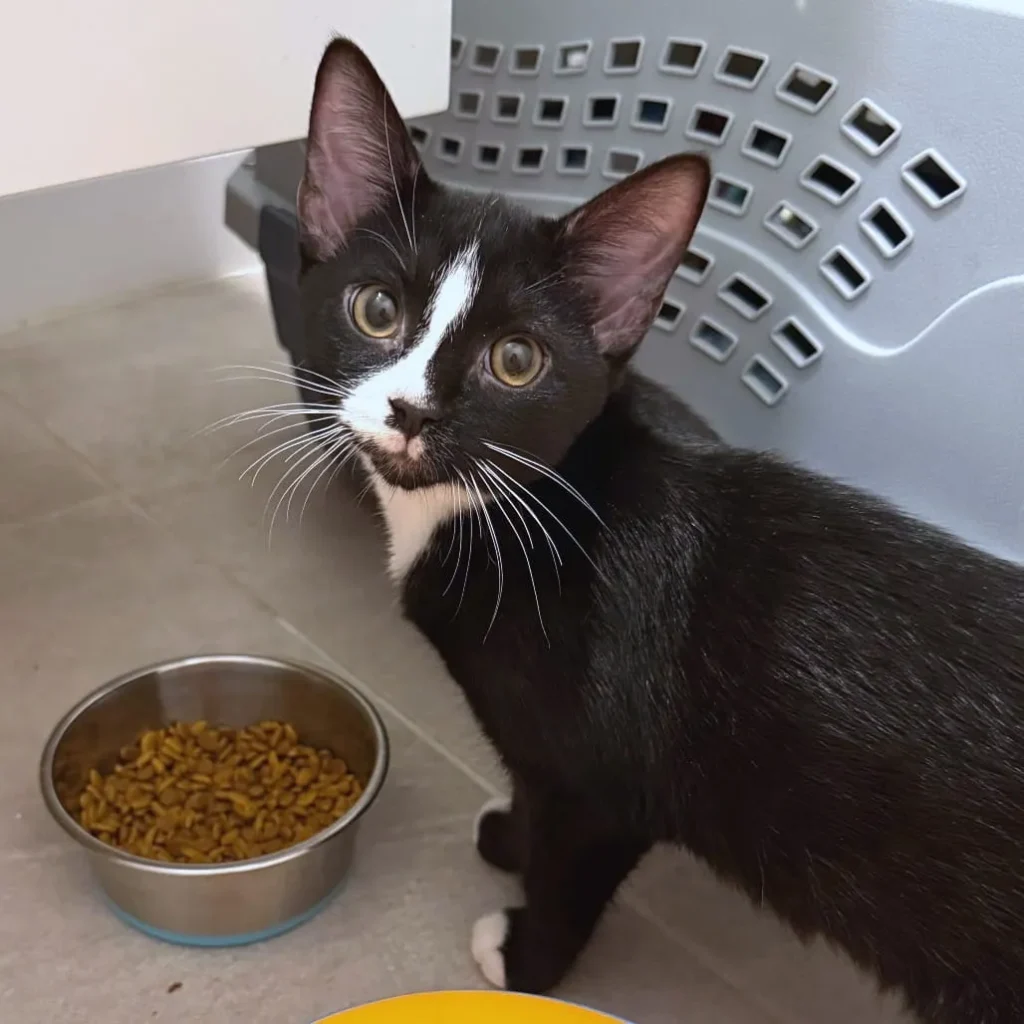
Some cats take longer to adjust after adoption because of personality, early life history, environmental change, and household pace. Early behaviors like hiding or hesitation are often part of a normal transition.
Focus on stability before affection. Consistent eating, litter box use, quiet exploration, and reduced hiding are all signs that a cat is learning the home.If you are considering adoption in South Florida, you can learn more about what to expect through our Happy Whiskers adoption resources.