

One of the biggest concerns potential foster volunteers have is whether their home environment will work for kittens. This question often comes up for people who already have pets. If you share your home with a cat, dog, or another animal, it is reasonable to wonder whether fostering kittens could disrupt your household or create safety concerns for the animals you already care for.
Across South Florida and Broward County, many rescue organizations depend on foster homes to care for kittens before adoption. At the same time, most volunteers already have pets of their own. Because of this, foster programs are designed to work within normal household environments, including homes with existing animals.
Understanding how this works can make the idea of fostering feel much more manageable. This article explains how foster homes safely care for kittens when other pets are present, why temporary separation is important, and how rescues help foster families create a setup that works well for everyone involved.
Key Takeaways
- Many foster homes already have pets, including cats and dogs.
- Temporary separation helps protect both foster kittens and resident animals during the adjustment period.
- Introductions between pets and kittens are usually gradual and supervised.
- Homes with calm pets and a separate space for kittens can often foster successfully.
- Rescue organizations provide guidance to help foster families manage homes with existing pets.
Many Foster Homes Already Have Pets
Many people who consider fostering kittens already share their home with a cat or dog. In rescue programs, this is very common. Having pets does not automatically prevent someone from becoming a foster parent. In fact, many foster volunteers are already experienced pet owners who understand basic animal care routines.
Pet owners often make strong foster candidates because they are familiar with everyday responsibilities such as feeding schedules, litter box maintenance, and recognizing changes in an animal’s behavior. This experience helps foster families feel more confident when caring for kittens that may need monitoring or extra attention during their time in foster care.
Rescues also review the household environment before placing kittens in a foster home. During the application or onboarding process, programs typically ask about existing pets so they can plan placements carefully. Important factors usually include:
- The number of pets in the home
- Temperament and behavior around other animals
- Vaccination status
- Whether a separate room or contained area is available
At Happy Whiskers Animal Coalition, we review these details with potential foster families so that kittens are placed in homes where both the foster kittens and resident pets can remain comfortable and safe.
Why Temporary Separation Is Important
Even when a foster home already has pets, foster kittens should begin their stay in a separate space. Temporary separation is a standard practice used by most rescues. It protects the health of the kittens and helps resident pets adjust calmly to the new situation.
Many kittens entering foster care come from outdoor environments or crowded conditions. Because their medical history may be unknown at first, a short separation period helps reduce the chance of illness spreading between animals. During this time, kittens can be observed for common issues such as mild respiratory symptoms or parasites while they settle into the home.
Separation also reduces stress for both the kittens and the household pets. New environments can feel overwhelming for young kittens. Resident animals may also need time to adjust to unfamiliar sounds and scents in their territory.
Most foster homes create a simple foster room or contained area where kittens stay during the first stage of their placement. This space usually includes a few basic items that support daily care:
- Separate room or enclosure: Keeps foster kittens safely contained and prevents direct contact with resident pets during the adjustment period.
- Litter box and food station: Allows kittens to maintain consistent feeding and litter habits while they settle into the home.
- Bedding or a small hiding space: Gives kittens a comfortable place to rest and helps them feel secure in a new environment.
How Introductions Are Handled in Foster Homes
After the initial adjustment period, some foster homes may begin introducing kittens to their resident pets. These introductions are usually gradual and carefully supervised. The goal is to allow both animals to become familiar with each other while keeping the environment calm and controlled.
Rescues typically recommend starting with scent-based introductions. Animals rely heavily on scent to recognize other animals in their environment. Allowing pets to become familiar with each other’s scent before meeting face-to-face helps reduce tension.
Common early steps may include:
- Swapping bedding or blankets: This allows resident pets to smell the kittens safely.
- Allowing pets to sniff under a door: This provides a low-stress way to detect each other’s presence.
- Using a door or barrier: Pets may observe each other without direct contact.
Once both animals appear calm, foster homes may move to short, supervised interactions. These meetings usually take place in a quiet room where the foster parent can closely watch both animals. The goal is not immediate friendship but calm, neutral behavior.
What Types of Pets Can Safely Live With Foster Kittens
Many households that foster kittens already have other animals. In most cases, fostering can still work well when the home is organized properly and introductions are handled carefully. The key factor is not the type of pet alone, but the temperament of the resident animal and the ability to keep kittens safely separated when needed.
Below are common household pets that can often live in homes that foster kittens.
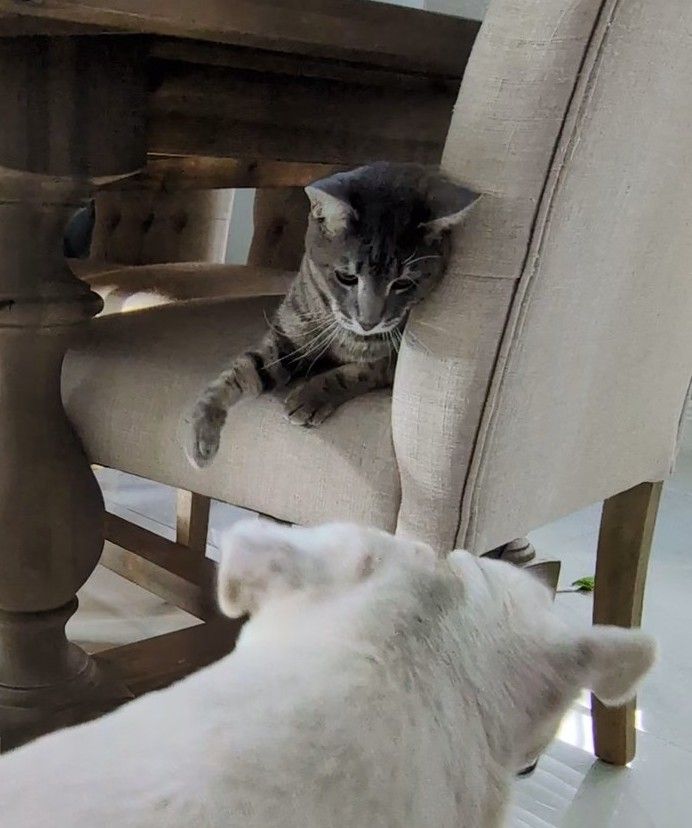
- Resident cats: Adult cats are the most common companion animals in foster homes. Some cats ignore foster kittens entirely, while others become curious observers. Calm adult cats may even help shy kittens learn normal cat behavior through observation.
- Dogs: Many foster families also have dogs. Dogs that are calm around small animals and able to follow basic commands generally adjust well. Introductions should always be supervised, and kittens should have access to a space where dogs cannot enter.
- Small animals in secure habitats: Pets such as rabbits, birds, hamsters, or reptiles can safely live in homes that foster kittens as long as they remain in secure enclosures. Direct interaction is not recommended.
Situations Where Separation May Be Required
In some foster homes, kittens and resident pets may never interact directly. This is completely normal. Many successful foster placements rely on maintaining separate spaces throughout the kittens’ stay.
Separation may be the best approach when certain household conditions are present. The goal is always to protect both the foster kittens and the animals already living in the home.
Common situations where full separation is recommended include:
- Resident pets that are elderly or easily stressed: Older animals often prefer a quiet and predictable environment. Keeping kittens in a separate room helps avoid unnecessary disruption.
- Dogs with a strong prey drive: Some dogs become overly excited around small animals. In these homes, kittens remain safely contained in a dedicated foster space.
- Medical observation periods: When kittens first arrive in foster care, rescues may require temporary quarantine to monitor their health.
Even when animals remain separate, fostering can still work well. A quiet foster room allows kittens to receive daily care while the household’s resident pets continue their normal routines.
How Rescues Support Foster Homes With Existing Pets
Fostering kittens in a home that already has pets is something most rescues plan for regularly. Foster programs are designed to support volunteers through the process so that both the kittens and resident animals remain safe and comfortable.
One of the first steps is evaluating the household environment before kittens are placed. During the foster application or onboarding process, rescues typically ask about the animals already living in the home. This helps coordinators match kittens with foster homes that are a good fit for the household setup.
Support for foster homes usually includes:
- Placement guidance: Rescues consider the age, health, and temperament of the kittens before assigning them to a foster home with existing pets.
- Practical advice: Foster coordinators can provide guidance if questions arise about introductions, separation spaces, or daily care.
- Veterinary care for foster kittens: Most rescues handle medical treatment and veterinary decisions during the foster placement.
At Happy Whiskers Animal Coalition, we work closely with foster families to ensure each placement is manageable. Our goal is to make fostering realistic for volunteers, including those who already share their home with pets.
Is Your Home a Good Fit for Fostering?
Many people assume they cannot foster kittens because they already have pets. In reality, many foster homes successfully care for kittens while also having resident animals. The key is having a setup that allows kittens to stay safe and comfortable during their time in foster care.
A few simple factors can help determine whether your home may be a good fit:
- A separate space for kittens: A spare room, bathroom, or contained area allows kittens to adjust safely.
- Calm household pets: Animals that are generally relaxed around new situations tend to adapt more easily.
- Up-to-date vaccinations for resident pets: This helps protect both the household animals and the foster kittens.
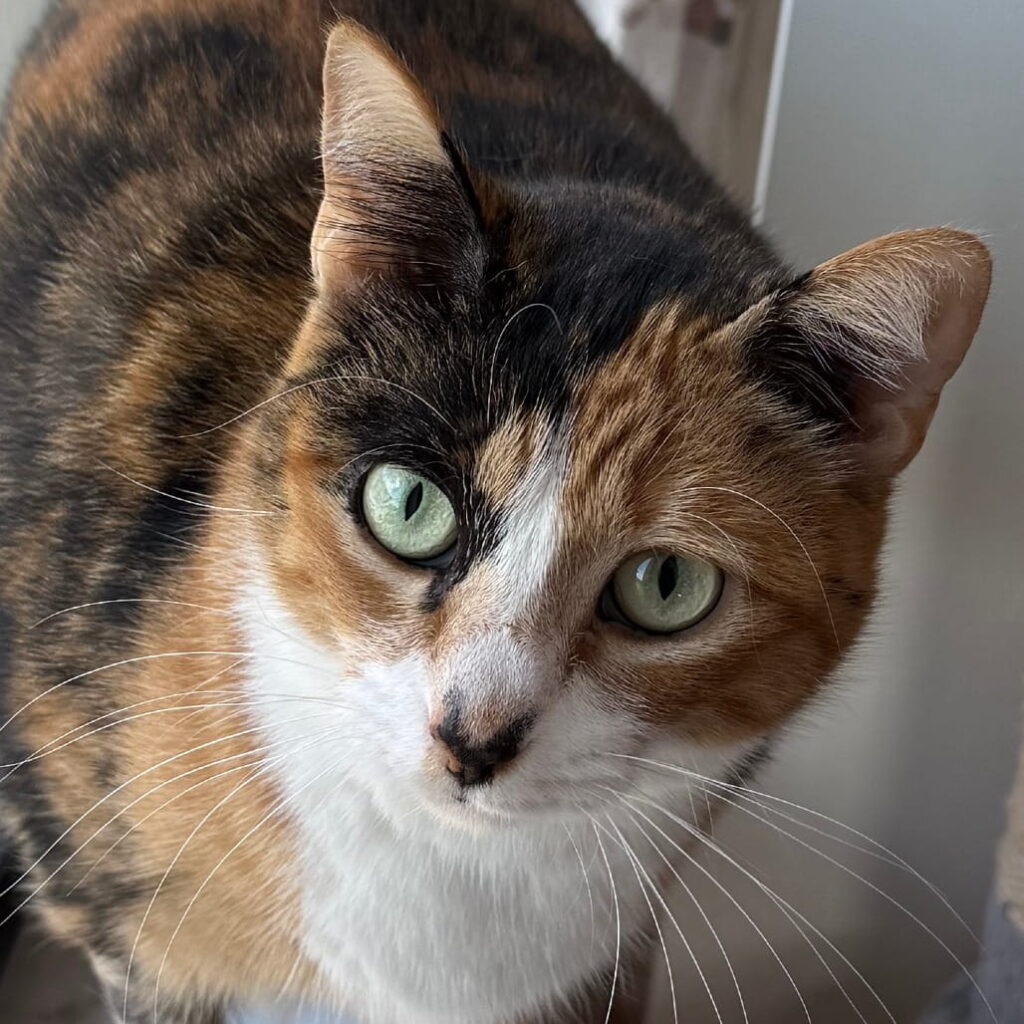
Having pets at home does not automatically prevent someone from fostering kittens. Many successful foster homes already include cats, dogs, or other animals. With a dedicated space for kittens and thoughtful planning around introductions, households with existing pets can often provide a safe and supportive temporary home.
Rescues are also accustomed to working with foster families in these situations. By reviewing household environments and providing guidance throughout the placement, they help ensure the arrangement works well for both the kittens and the animals already living in the home.For people in South Florida who want to support local rescue efforts, fostering can be a practical way to help kittens prepare for adoption while keeping your household routine stable. If you would like to understand what the process looks like and what support foster families receive, you can visit our foster information page to learn more about how foster homes help kittens move toward adoption.