
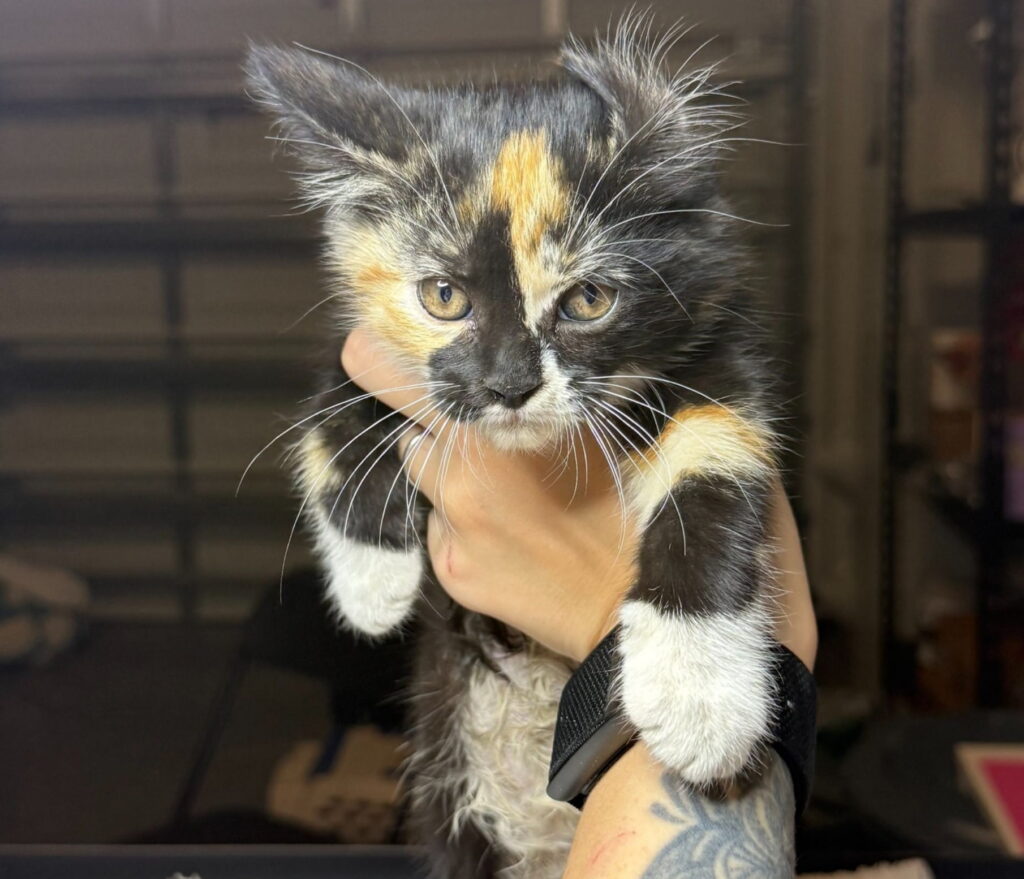
One of the most common questions potential volunteers ask is whether fostering is realistic with a full-time job. Work schedules, commuting, and daily responsibilities can make the commitment feel uncertain.
This concern is understandable. Caring for kittens sounds like it might require constant supervision or specialized experience. People often wonder whether kittens can be left alone during the day, how much time daily care requires, and whether they would be able to provide the level of attention rescue animals need.
In reality, many foster homes in Broward County and surrounding communities maintain normal work schedules. The key factor is understanding how kitten age, care routines, and rescue support systems affect the time commitment.
This article explains what daily care typically looks like, when fostering fits well with a full-time schedule, and how rescues support foster families so that the experience remains manageable and rewarding.
Key Takeaways
- Many people successfully foster kittens while working full time by following a simple daily routine before and after work.
- The age of the kittens makes the biggest difference in how much time foster care requires.
- Older kittens that eat solid food and use a litter box are usually the easiest to foster with a full-time schedule.
- Creating a safe kitten room allows kittens to stay comfortable while foster parents are away during the day.
- Rescue organizations often provide supplies, veterinary care, and guidance to support foster families.
- Foster homes are especially important in South Florida, where kittens need temporary care throughout much of the year.
Why Many Potential Foster Parents Worry About Time Commitments
For many compassionate people in South Florida, the desire to help rescue kittens is strong. The hesitation usually comes from one practical question: Will I have enough time? People who work full time often assume fostering requires being home most of the day, which can make the idea feel unrealistic.
Several common concerns come up when people first consider fostering kittens:
- Kittens might need constant supervision
- Feeding schedules may be difficult during work hours
- It may not be safe to leave kittens alone during the day
- Foster parents might need advanced experience or special training
These concerns are understandable. Caring for animals is a responsibility, and most people want to be sure they can provide proper care before volunteering.
In reality, many foster homes maintain normal work schedules. Foster parents typically care for kittens in the morning and evening, similar to how people care for their own pets. The key factor is not just availability, but the age and needs of the kittens being fostered, which can significantly change the daily time commitment.
The Age of the Kittens Makes the Biggest Difference
Whether someone can foster kittens while working full time often depends on the age of the kittens. In rescue work, different age groups require very different levels of care. Understanding this difference helps many potential foster parents realize that fostering can still fit into a normal work schedule.
Neonatal Kittens (Highest Time Commitment)
Very young kittens, often called neonatal kittens, are typically under four weeks old and require intensive care. These kittens are not yet eating solid food and usually need bottle feeding every few hours throughout the day.
Because of this schedule, neonatal fostering is usually best suited for people who:
- work from home
- have flexible schedules
- are available during the day
Many rescues rely on a smaller group of experienced volunteers for these cases.
Older Kittens (Often a Better Fit for Working Foster Parents)
Kittens that are old enough to eat on their own and use a litter box require much less constant supervision. These kittens typically need:
- feeding in the morning and evening
- a clean litter box
- daily play and socialization
During the day, they can usually rest or play safely in a kitten-proofed room.
This stage of development is where many full-time workers successfully foster. Once the kittens’ needs match a manageable routine, it becomes easier to build a daily care schedule around work hours.
What Daily Care for Foster Kittens Usually Looks Like
For kittens that are old enough to eat on their own, daily care is usually straightforward and predictable. Many foster parents follow a simple routine before and after work, similar to the way people care for their own pets. The goal is to provide food, a clean space, and regular interaction so the kittens remain healthy and well socialized.
Morning Care Before Work
Morning care typically takes only a short amount of time. Foster parents usually complete a few basic tasks before leaving for the day.
A typical morning routine may include:
- Feeding the kittens
- Refilling fresh water
- Scooping or refreshing the litter box
- Doing a quick health check to make sure everyone looks normal
For most foster homes, this process takes about 10–20 minutes.
Evening Care and Socialization
Evening time is when foster parents spend more time interacting with the kittens. This is when kittens receive most of their attention and playtime.
Common evening activities include:
- A second feeding
- Cleaning the litter box if needed
- Playing with the kittens to build confidence and social skills
- Observing behavior and appetite
This interaction helps kittens become comfortable around people, which is important for future adoption.
During the Workday
When kittens are developmentally ready, they can usually stay safely in a kitten-proofed room during the day. Many foster homes use a spare bedroom, bathroom, or enclosed play area.
With a consistent routine in place, caring for foster kittens can often fit comfortably into a normal work schedule. The next step is understanding the practical strategies many full-time workers use to make fostering easier.
Ways Full-Time Workers Successfully Foster Kittens
Many foster parents balance kitten care with full-time jobs by creating simple systems that make daily routines manageable. Fostering does not require constant attention throughout the day. Instead, success usually comes from setting up the environment properly and establishing a predictable routine for the kittens.
Creating a Safe Kitten Room
One of the most helpful strategies is preparing a dedicated kitten space in the home. This keeps the kittens safe while the foster parent is at work and prevents them from accessing areas that may not be kitten-proof.
Common spaces used in foster homes include:
- A spare bathroom
- A guest bedroom
- A small office or enclosed play area
This space typically contains food and water dishes, a litter box, bedding, and safe toys. When kittens have a consistent environment, they tend to settle into predictable habits.
Establishing a Consistent Routine
Kittens adapt well to regular schedules. Many foster parents feed and care for the kittens at the same times each day. This helps the kittens feel secure and makes the routine easier to manage alongside a work schedule.
Typical daily structure:
- Morning feeding and litter check
- Evening feeding and cleaning
- Playtime and social interaction after work
Sharing Responsibilities
Some foster homes include multiple people. Partners, roommates, or family members can help with feeding or socialization, making the workload lighter.
These simple strategies allow many working adults to foster successfully. However, there are certain situations where a full-time schedule may require additional planning.
When Fostering May Be More Difficult With a Full-Time Job
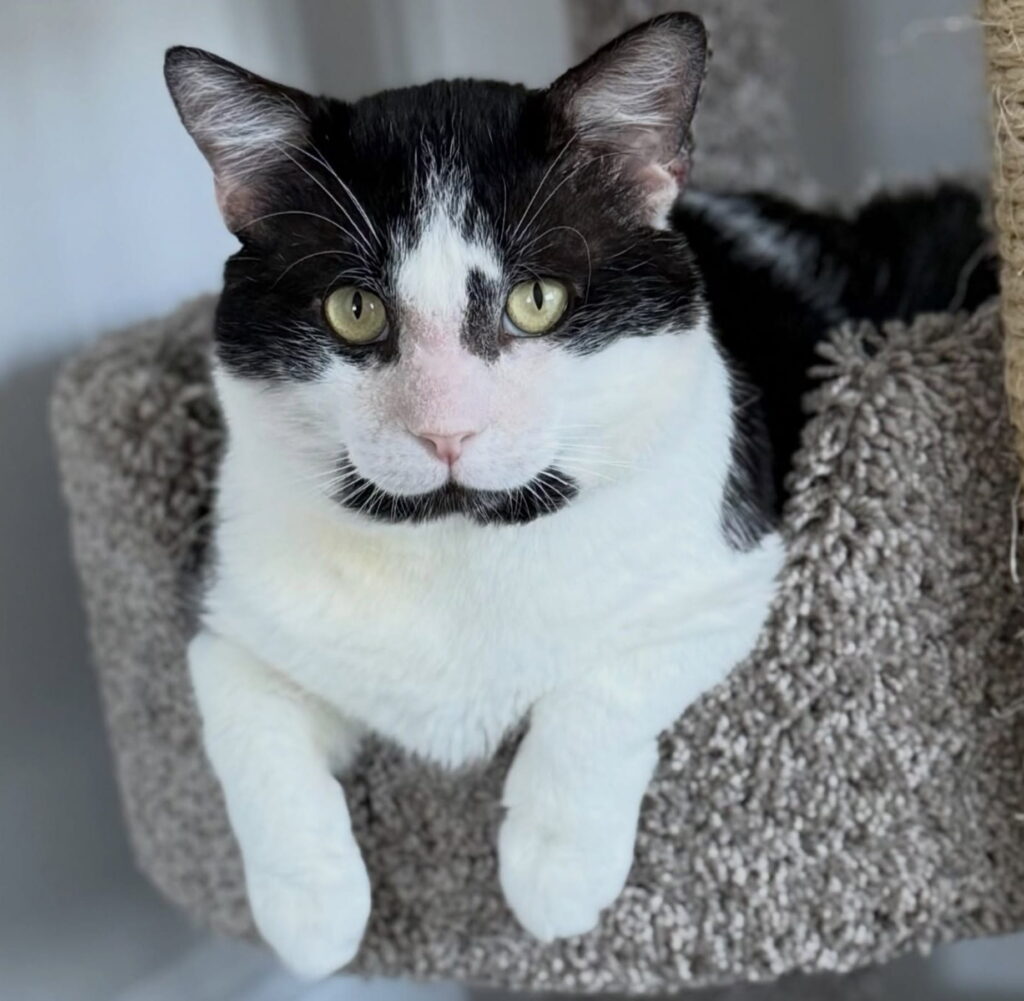
While many people successfully foster kittens while working full time, there are certain situations where the time commitment can be higher. Understanding these cases helps set realistic expectations and allows rescues to match foster homes with kittens that fit their availability.
Very Young Bottle-Fed Kittens
Newborn kittens, often called bottle babies, require the most hands-on care. These kittens cannot eat solid food and must be bottle-fed every few hours throughout the day and night. They also need help staying warm and may require close monitoring.
Because of this schedule, bottle feeding is usually best suited for people who:
- work from home
- have flexible schedules
- can be present during the day
Many rescues rely on a smaller group of foster volunteers who specialize in neonatal care.
Medical or Special Care Cases
Some kittens arrive in rescue with health conditions that require additional attention. This may include giving medication, monitoring recovery after illness, or attending veterinary appointments.
These situations do not happen in every foster placement, but they can require more time during the day.
Most rescues carefully match foster homes with kittens whose needs fit their schedule, which is why understanding the level of support available can be helpful before deciding to foster.
How Rescues Support Foster Families
One reason many people are able to foster kittens while working full time is that rescues provide guidance and resources throughout the process. Foster parents are not expected to manage everything on their own. At Happy Whiskers Animal Coalition, foster homes are part of a coordinated support system designed to make fostering manageable and well supported.
Supplies and Veterinary Care
In most foster programs, the rescue organization helps cover the essential needs of the kittens. This reduces financial uncertainty and helps ensure consistent care.
At our rescue, foster families typically receive support such as:
- Age-appropriate kitten food
- Litter and basic supplies when available
- Veterinary care and vaccinations
- Medical treatment if a kitten becomes sick
This structure allows foster parents to focus on the most important role: providing a safe, calm environment where kittens can grow, socialize, and prepare for adoption.
Guidance From Experienced Volunteers
New foster parents often have questions, especially during their first placement. Our rescue works closely with foster volunteers to make sure they feel comfortable and supported throughout the process.
Support may include guidance with:
- understanding normal kitten behavior
- recognizing signs of illness or stress
- handling day-to-day care questions
- preparing kittens for their eventual adoption
Across South Florida, foster homes are a critical part of rescue work. With clear guidance and practical support, many volunteers find that fostering fits naturally into their normal routines. Understanding this support system helps explain why foster homes play such an important role in saving kittens.
Why Foster Homes Are Especially Important in South Florida
Foster homes play a particularly important role in South Florida’s rescue community. Unlike colder regions where kitten season is shorter, warm climates allow cats to reproduce for much of the year. This means rescues often receive kittens in need of care across many months, not just during a brief seasonal surge.
Because of this steady need, local rescues rely heavily on foster homes to provide safe, temporary environments where kittens can grow and socialize before adoption. Shelters and rescue organizations cannot house every kitten long term, especially very young ones that benefit from quiet home environments.
Foster homes help bridge this gap by providing:
- A safe indoor space for kittens to grow
- Daily interaction that helps kittens become comfortable around people
- Monitoring for health and behavior changes
Each foster placement creates room for rescues to help more animals in the community. In areas like Broward County and surrounding parts of South Florida, expanding the network of foster homes is one of the most effective ways to support local rescue efforts.
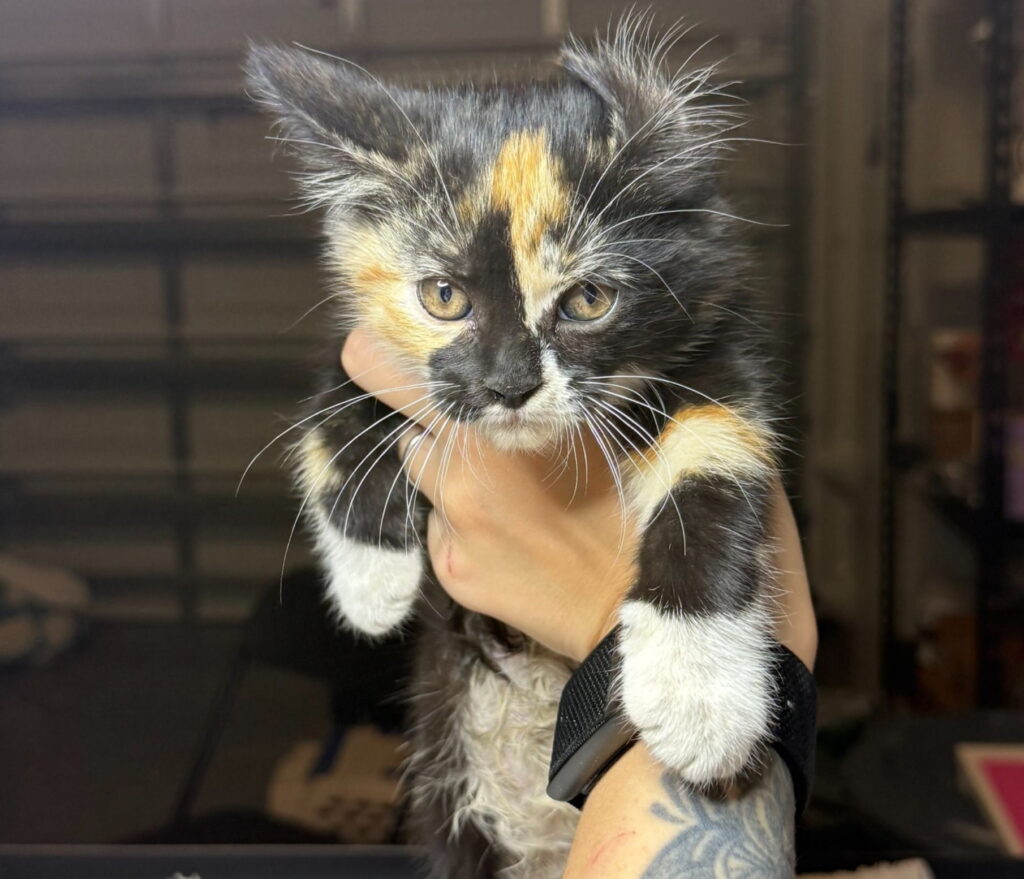
Fostering kittens while working full time is often more realistic than many people expect. For kittens that are old enough to eat independently, daily care usually follows a simple routine before and after work. With a safe environment, consistent schedule, and guidance from a rescue organization, many foster parents find that the commitment fits naturally into their lives.
The most important factor is matching the right foster home with the right kittens. Some cases require more time, while others work well for people with traditional work schedules. Rescue organizations help coordinate these placements so that both the kittens and the foster family are set up for success.
Across South Florida, foster homes make it possible for rescues to care for more kittens and prepare them for adoption. If you are considering helping animals in your community, you can learn more about how fostering works and what to expect by visiting the Happy Whiskers foster page.
FAQ
Can kittens be left alone while you are at work?
Yes, in many cases. Kittens that are old enough to eat solid food and use a litter box can usually stay safely in a kitten-proofed room while a foster parent is at work. Foster homes typically set up a small, safe space with food, water, bedding, and a litter box so the kittens remain comfortable during the day.
Do you need to work from home to foster kittens?
No. Many foster volunteers maintain traditional work schedules. Daily care usually happens in the morning and evening, similar to caring for a personal pet. Rescues typically place kittens with foster homes whose schedules match the kittens’ needs.
What age kittens are easiest to foster with a full-time job?
Kittens that are eating solid food and using a litter box are usually the easiest to care for with a full-time schedule. These kittens can follow a predictable routine and typically require feeding, litter care, and socialization outside of work hours.
Can couples or roommates foster kittens together?
Yes. Many foster homes include partners, roommates, or family members who share responsibilities. Having more than one person involved can make daily care even easier, especially during busy work weeks.