
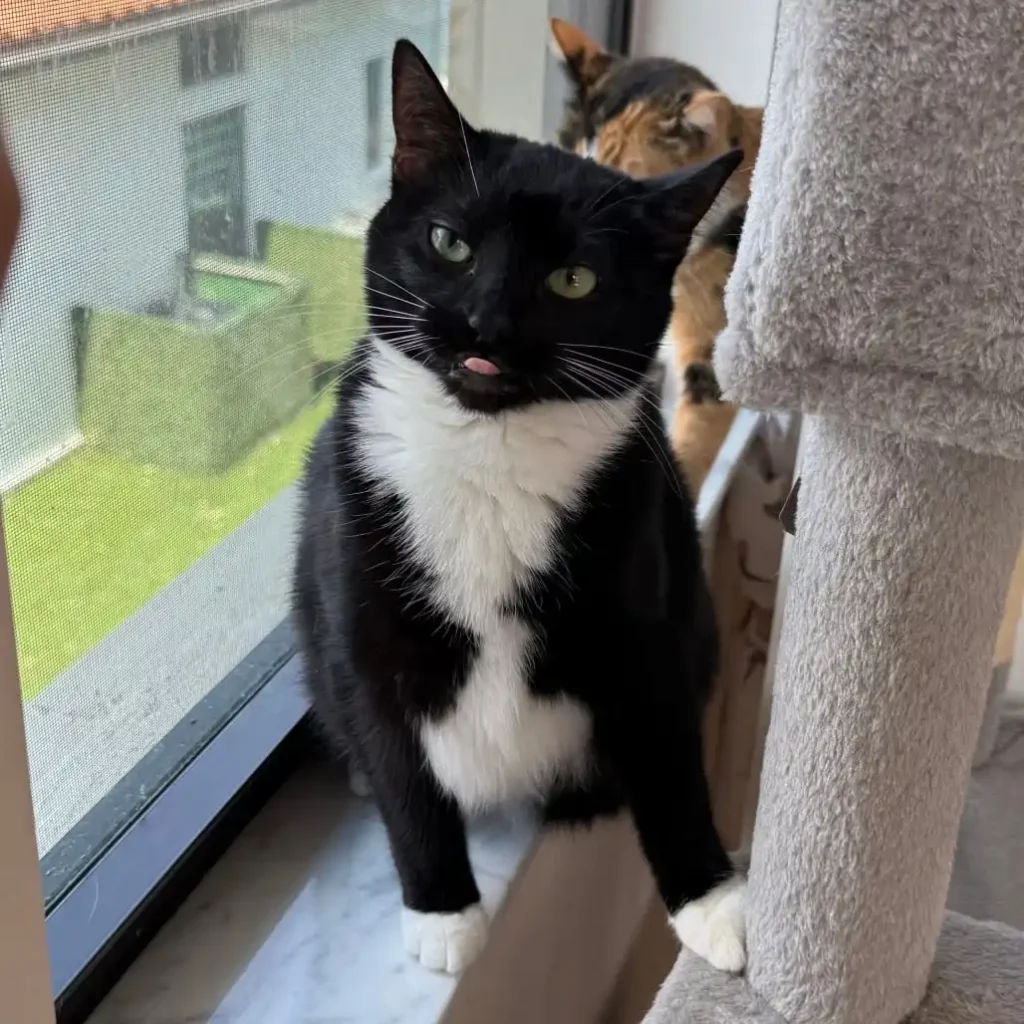
Can a foster cat sleep in your bedroom, or do you need a separate room before you can foster?
Yes, some foster cats can stay in a bedroom. The decision depends on the cat’s age, health, behavior, and whether the room lets you safely track their care.
A healthy adult cat may do well in a quiet bedroom. Young kittens, cats recovering from medical care, and new arrivals that need closer observation may need a bathroom, crate, playpen, or another contained setup instead.
The question is less about where you sleep and more about whether the space works for the cat we are placing with you.
Key Takeaways: Can a Foster Cat Sleep in Your Bedroom?
- Some healthy adult foster cats can sleep in a bedroom.
- New arrivals may need a contained area so eating and litter box use are easier to track.
- Young kittens often need a playpen, crate, or kitten-safe setup overnight.
- A foster cat does not need to sleep on your bed or have full access to the room.
- You do not need a spare bedroom to foster through Happy Whiskers.
- We consider your available space when deciding which foster cat may fit your home.
A Bedroom Can Be a Foster Space
A spare room is helpful, but it is not required for every foster placement.
We have foster homes with different layouts. Some people have a separate bedroom or office. Others may only have a bathroom, part of a bedroom, or enough space for a crate or playpen.
If you are considering fostering cats in Broward County, the available space helps determine which cats make sense for your home.
A bedroom may work well for a healthy adult cat who is eating normally, using the litter box, and does not need isolation for a medical concern. The room gives the cat a smaller area to learn before having access to more of the home.
We would not treat every bedroom as automatically suitable. We need to know what is in the room and what the individual cat needs.
We Need to Be Able to Track Basic Care
One reason we use contained foster spaces is observation.
When a cat first enters foster care, we may need to know whether they ate, drank, urinated, or had a bowel movement. We also watch for sneezing, vomiting, diarrhea, or other changes that need to be reported.
Those details become harder to track if the cat immediately disappears into a large home.
For example, if a new foster has not touched their food overnight, we need to know. In one bedroom or bathroom, the foster can usually tell us what was eaten and whether the litter box was used.
A bedroom can work if the cat remains accessible enough for you to monitor.
A cat hiding inside a covered bed is one thing. A cat squeezing behind heavy furniture where you cannot see or safely reach them creates a different problem.
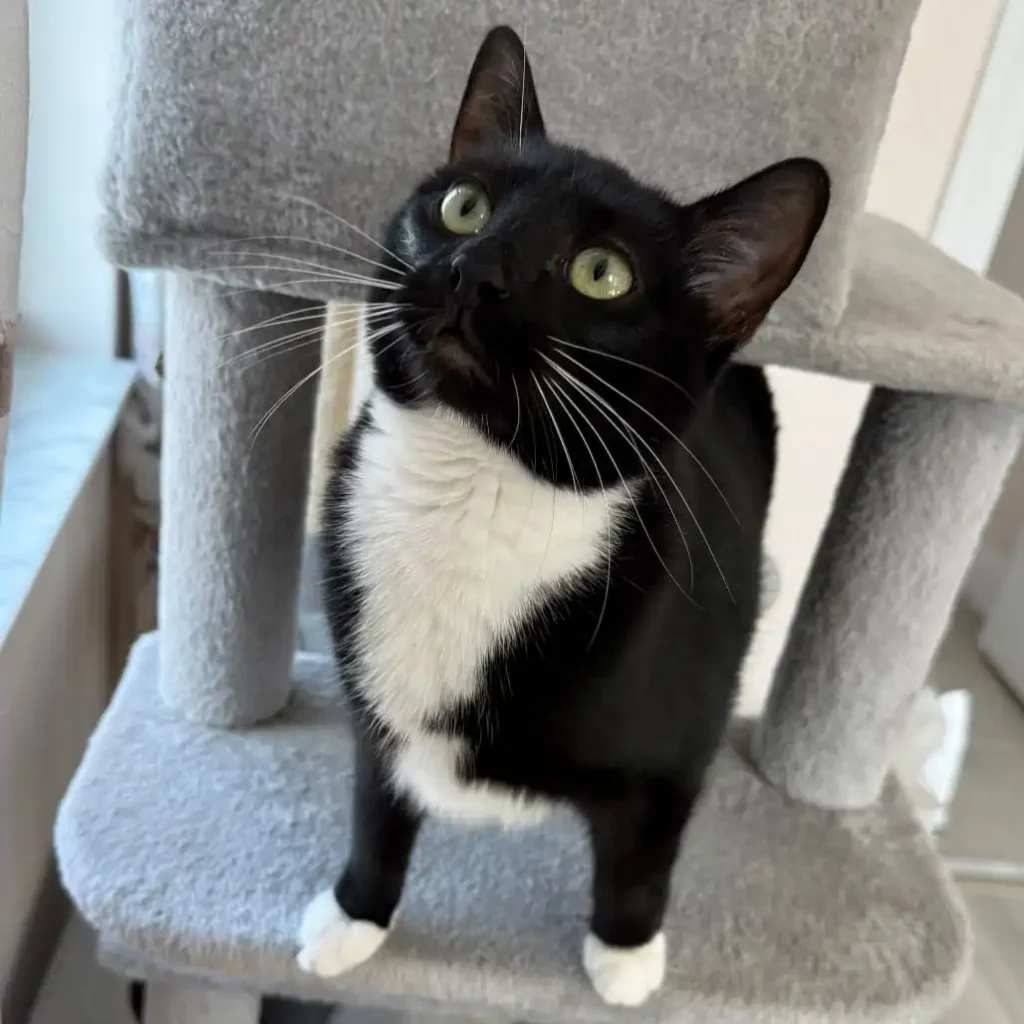
Some Foster Cats Need a Different Overnight Setup
We may recommend a bathroom, crate, playpen, or other contained area instead of loose bedroom access.
This is more likely when a cat is very young, needs medication, is recovering from approved medical care, or has symptoms we are monitoring.
The setup also depends on the individual cat.
A nervous cat may immediately disappear under a bed and remain difficult to observe. A very active kitten may climb furniture, chew cords, or find spaces an adult cat could not enter.
If we need you to check a medication response, appetite, litter box use, or incision, the sleeping area needs to make those checks practical.
In those situations, a smaller setup is about keeping the cat observable and safe.
If the Cat Stays in Your Bedroom, Check the Room First
Bedrooms have more hiding hazards than people sometimes realize.
Before a foster cat has access to the room, check for:
- cords the cat or kittens can chew
- medications and small objects on nightstands
- toxic plants
- open or unsecured windows
- spaces behind furniture where the cat could become trapped
- recliners or furniture with moving mechanisms
- balcony or patio access
- laundry, bags, or other items small kittens can crawl into
In South Florida homes, we also want foster families to pay attention to screened patios and balcony doors. A screen should not be treated as permission for a foster cat to have unsupervised outdoor access.
The room also needs space for food, water, litter, and an appropriate hiding or resting area.
The cat can sleep on the bed if the individual placement allows it and the cat chooses to. They should still have another place to rest.
Kittens Usually Need More Overnight Control
A bedroom that works for an adult cat may not work for loose kittens.
Kittens can fit under furniture, climb into laundry, chew cords, and find openings you did not notice during your first room check.
For younger kittens, we may use a crate or playpen with bedding, water when age appropriate, and a litter setup suited to their size and stage of care. The exact setup depends on the kittens.
A pair of older kittens may be able to stay in a kitten-proofed room. Bottle babies or kittens requiring closer care have very different needs.
This is why “Can kittens sleep in my bedroom?” does not have one answer.
They may be physically located in your bedroom while still sleeping in a contained setup.
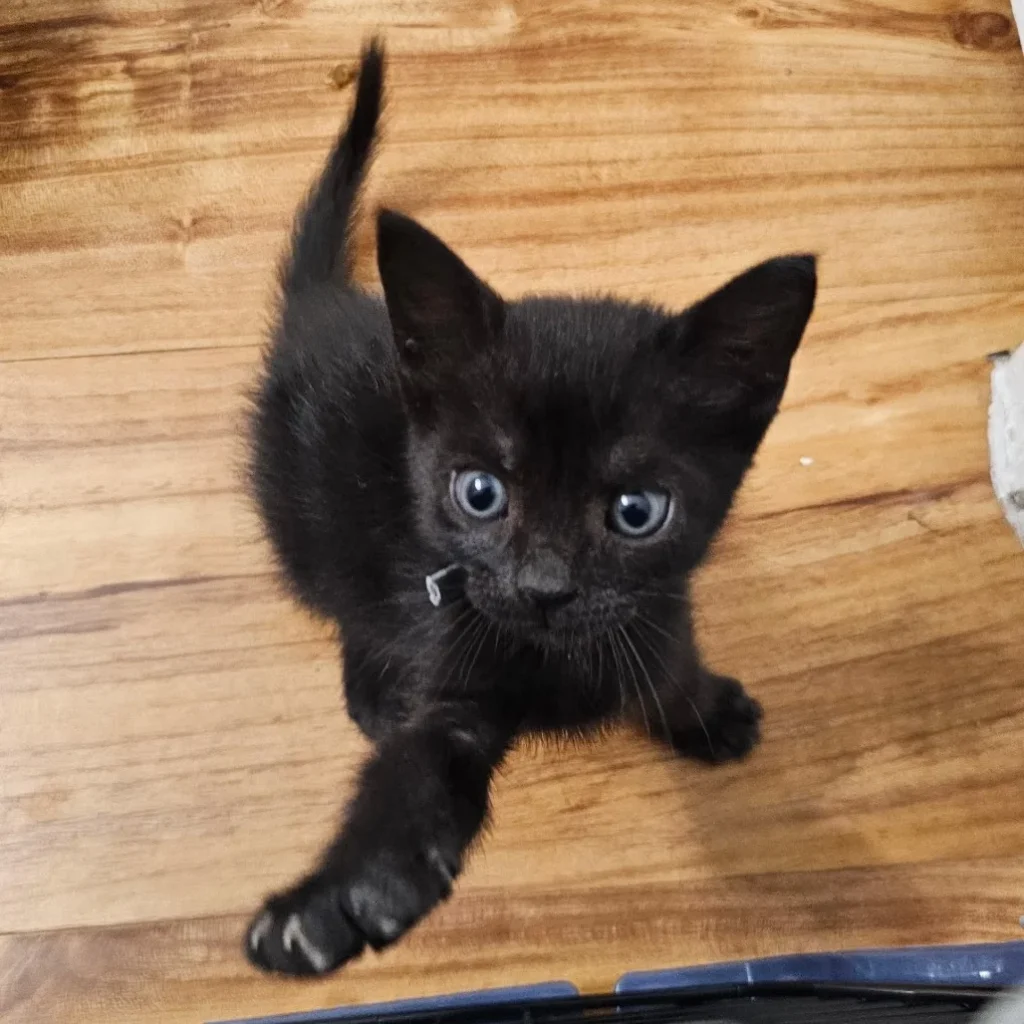
Tell Us What Space You Actually Have
You do not need to rearrange your home around a foster cat before talking with us.
Tell us what you have available.
Maybe you have a bathroom but no spare room. Maybe your bedroom is the only area that can stay separated from your resident pets. Maybe you have room for a crate but cannot give a foster cat loose access overnight.
Those details help us make a better placement decision.
We also need to know about resident pets, because a new foster cat should not simply be placed in a bedroom where another cat or dog normally sleeps without discussing separation.
We provide supplies and approved medical care for our foster cats, and we help explain the setup needed for the individual placement. If a crate is the appropriate option, we can provide one.
Thinking About Fostering in South Florida?
If the lack of a spare bedroom is the main reason you have ruled out fostering, tell us what space you do have.
A bathroom, bedroom, crate, or other contained area may work for the right cat. We can discuss your home, resident pets, and the type of setup you can maintain before matching you with a placement.
You can learn how our foster program works and apply to foster with Happy Whiskers Animal Coalition.