
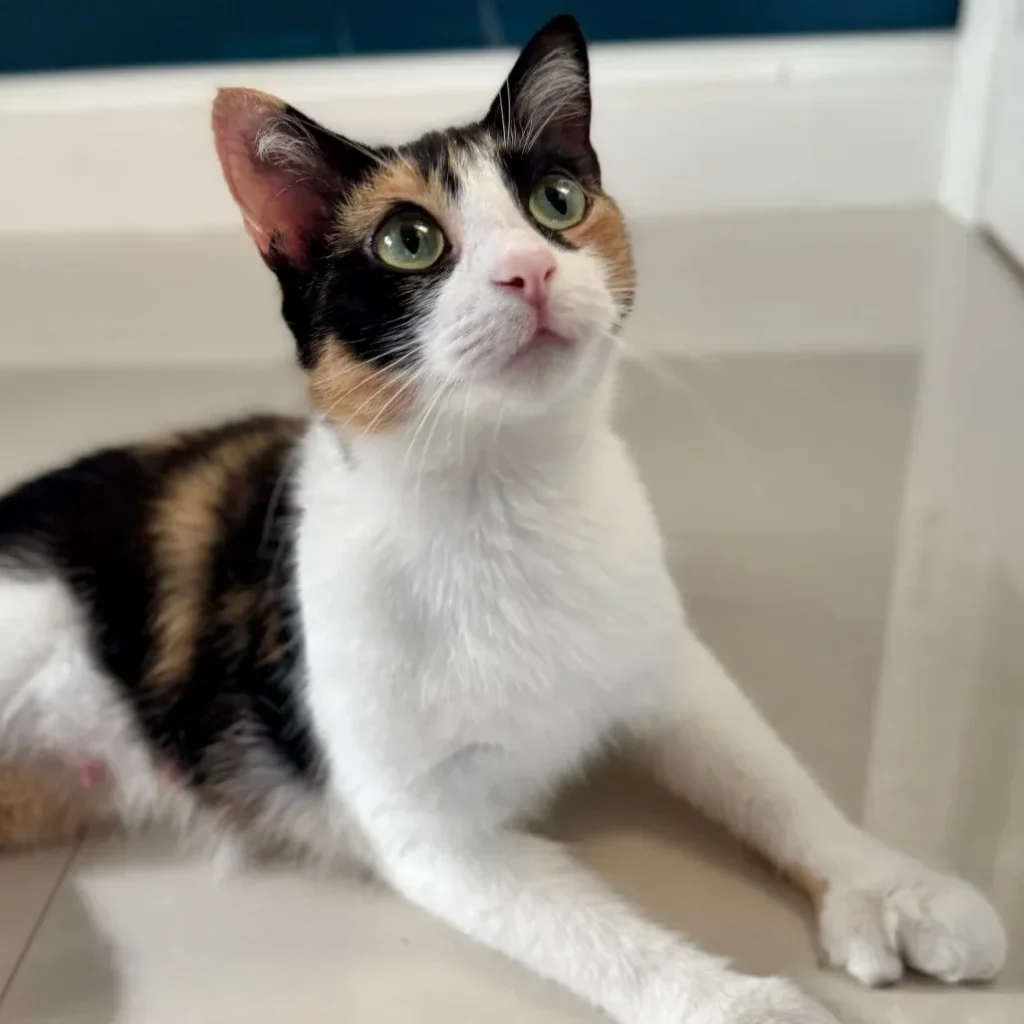
Rescue cats do not all arrive with the same social history.
Some are already comfortable with people. Some are shy at first. Others need time before they feel safe enough to show their real personality.
That does not mean they are “bad” cats or poor adoption candidates. It usually means they are adjusting.
For adopters in South Florida, the important thing is knowing what early behavior means, what is normal, and when a cat may need more time or support.
Key Takeaways: Are rescue cats socialized?
- Many rescue cats are at least partly socialized, but most still need adjustment time.
- Hiding, caution, or limited interaction early on is often stress, not personality.
- A cat may need a few days to a few weeks before their behavior becomes clearer.
- Foster care helps reveal how a cat behaves in a home setting.
- A shy first impression does not mean a cat will stay shy forever.
- Successful adoption depends on patience, routine, and realistic expectations.
What “Socialized” Means for Rescue Cats
A socialized cat is comfortable around people, daily routines, and normal household activity.
But socialization is not an on/off switch. It is a range.
A cat that lived in a home before may already understand people, litter boxes, feeding routines, and indoor life. A cat from an outdoor or stressful environment may need more time to trust people and adjust to a home.
The ASPCA explains that some cats may need patience and careful socialization when adjusting to people, routines, and new environments.
That matters because a rescue cat’s first behavior is often shaped by stress. A friendly cat may hide after a move. A cautious cat may become affectionate once the home feels safe.
“Not fully socialized” does not mean “not adoptable.” It means the cat may need time before their real personality is visible.
Why Some Rescue Cats Need Adjustment Time
Cats are sensitive to change.
A new home brings new smells, sounds, people, furniture, routines, and hiding spots. Even a well-socialized cat may need a few days before eating normally, exploring, or seeking attention.
VCA notes that when a kitten enters a new home, new sights, sounds, and smells can be scary at first.
The same idea applies to many rescue cats.
Common reasons a cat may need time include:
- recent transport
- shelter or intake stress
- outdoor background
- limited prior handling
- changes in feeding or sleeping routine
- unfamiliar people or pets
Early behavior is usually about safety. The cat is observing before participating.
What to Expect in the First Few Days
The first few days are usually the adjustment period.
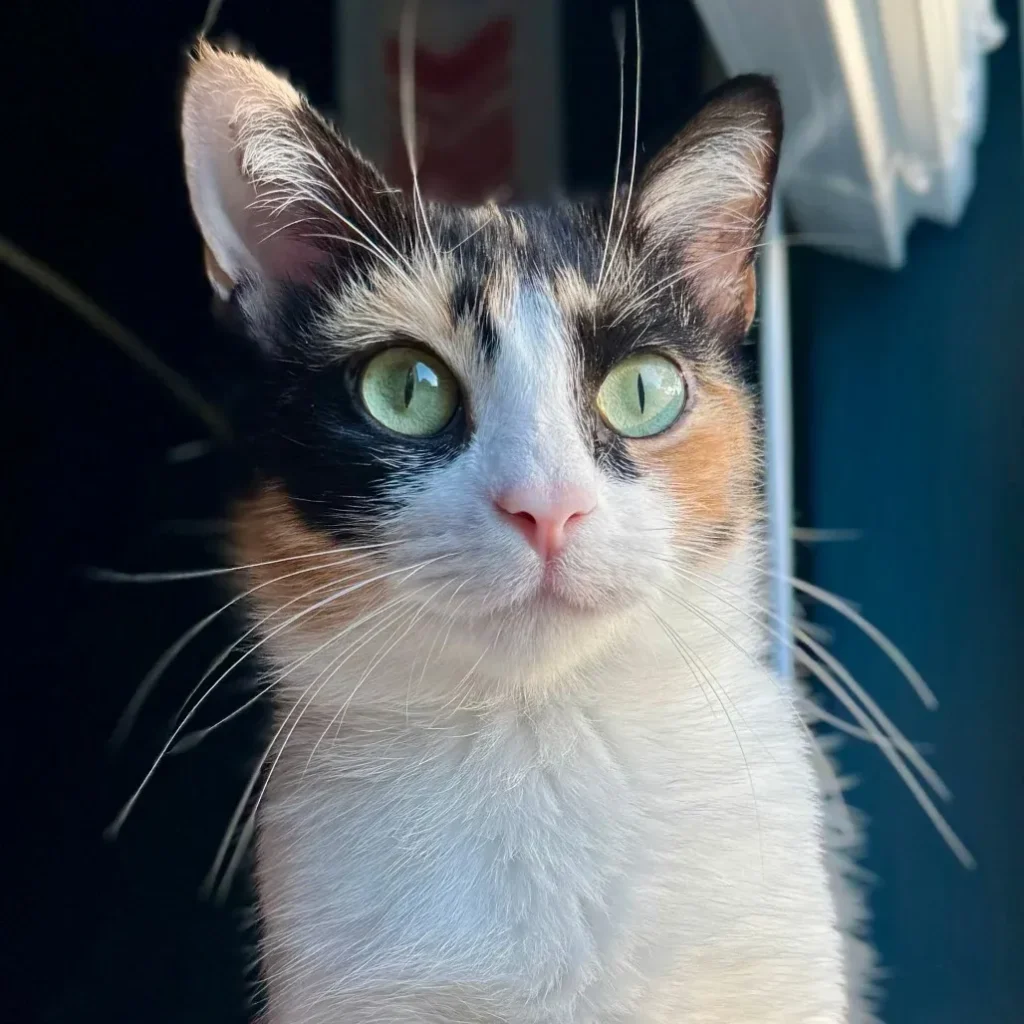
A rescue cat may hide, eat at night, avoid eye contact, stay in one room, or watch you from a distance. These behaviors are common and usually improve as the cat learns the home routine.
A simple early timeline may look like this:
| Timeframe | What You May See |
| First 24–72 hours | Hiding, limited movement, cautious eating |
| Days 3–7 | More exploring, steadier eating, quiet observation |
| Week 2 and beyond | More visible personality, play, curiosity, or affection |
This timeline is not exact. Some cats settle quickly. Others need more time.
The main rule is simple: do not force interaction early. Let the cat have a safe space, predictable feeding times, and control over when they approach.
A cat that hides at first may still become social, playful, and affectionate once they feel secure.
How Foster Care Helps With Socialization
Foster care can make a cat’s behavior easier to understand before adoption.
In a foster home, cats are usually in a quieter environment than a shelter or intake setting. They have daily routines, regular feeding, familiar caregivers, and more time to settle.
Maddie’s Fund notes that foster homes can help reduce stress in shelter pets and provide a less stressful environment than shelter housing.
That lower-stress setting helps us see more useful behavior patterns.
A foster caregiver may notice:
- whether the cat likes attention
- how they respond to normal household sounds
- when they prefer to play or rest
- whether they need a quiet home
- how quickly they warm up to people
- what kind of routine helps them feel secure
Foster care does not magically change every cat. It gives the cat enough stability for their natural behavior to become clearer.
What This Means for You as an Adopter
Adopting a rescue cat means expecting an adjustment period.
The goal is not to find a cat who acts perfect on day one. The goal is to choose a cat whose needs, personality, and pace fit your home.
That may mean an outgoing cat who settles quickly. It may mean a shy cat who needs a quiet room and slower introductions. Both can be good matches when expectations are clear.
Before adopting, ask practical questions:
- Has this cat lived in a foster home?
- How does the cat act once settled?
- Does the cat hide at first?
- How does the cat respond to handling?
- Does the cat prefer quiet spaces?
- Has the cat been around children, dogs, or other cats?
Those answers matter more than a first impression alone.
When a Rescue Cat May Need Extra Support
Some cats need a slower start.
This is more common with cats from outdoor environments, cats with limited handling history, or cats that have gone through several moves in a short time.
Extra support does not always mean special training. Often, it means a quieter setup and more patience.
That may include:
- starting the cat in one room
- keeping feeding times consistent
- avoiding forced handling
- limiting visitors at first
- giving the cat safe hiding spaces
- introducing resident pets slowly
A slower adjustment does not mean the adoption will fail. It just means the cat needs more time to feel safe.
For many cats, trust builds through repeated calm experiences.
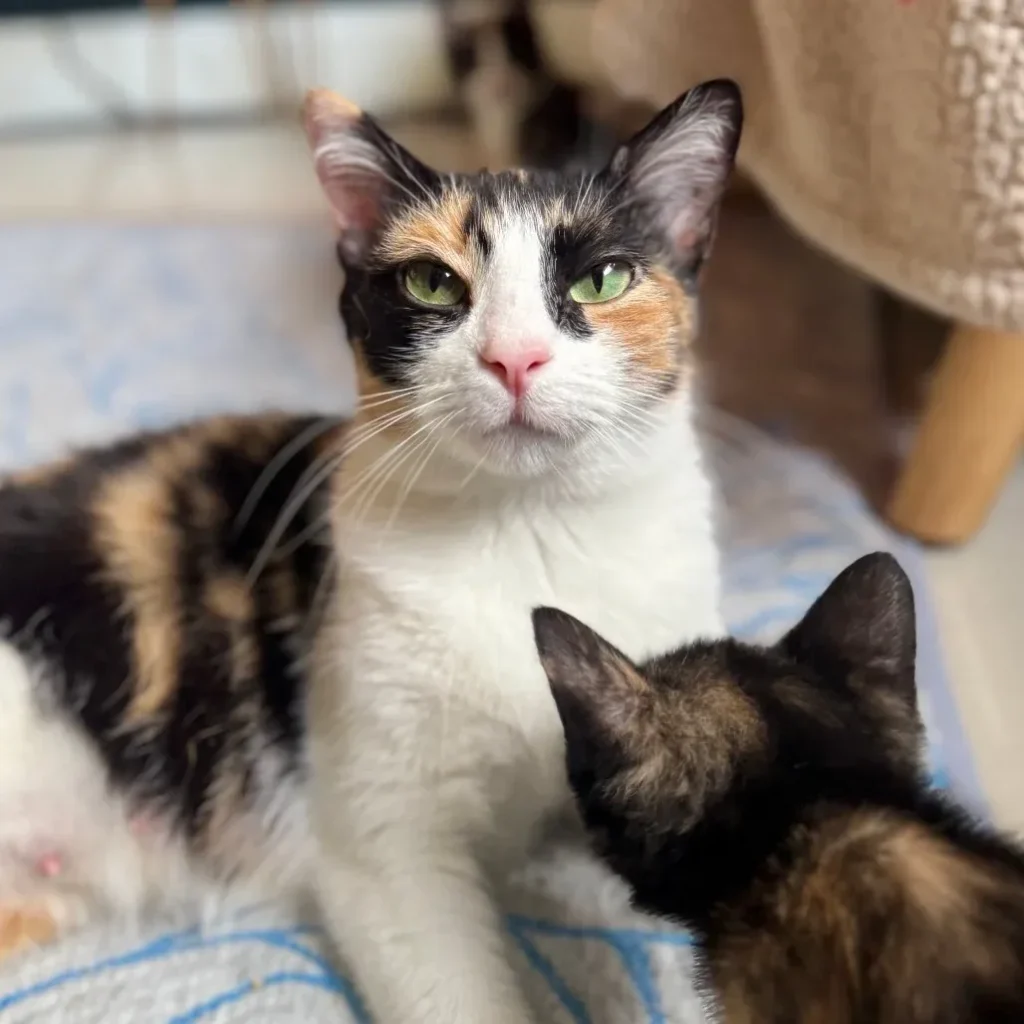
Most rescue cats are not defined by one fixed socialization level.
Some are outgoing right away. Some are cautious. Some need a few weeks before they relax. Early behavior is often shaped by stress, not long-term personality.
For adopters, the best approach is patience, routine, and realistic expectations.
If you are considering adoption in South Florida, you can review our adoption process to learn how Happy Whiskers helps match local cats with the right homes.