
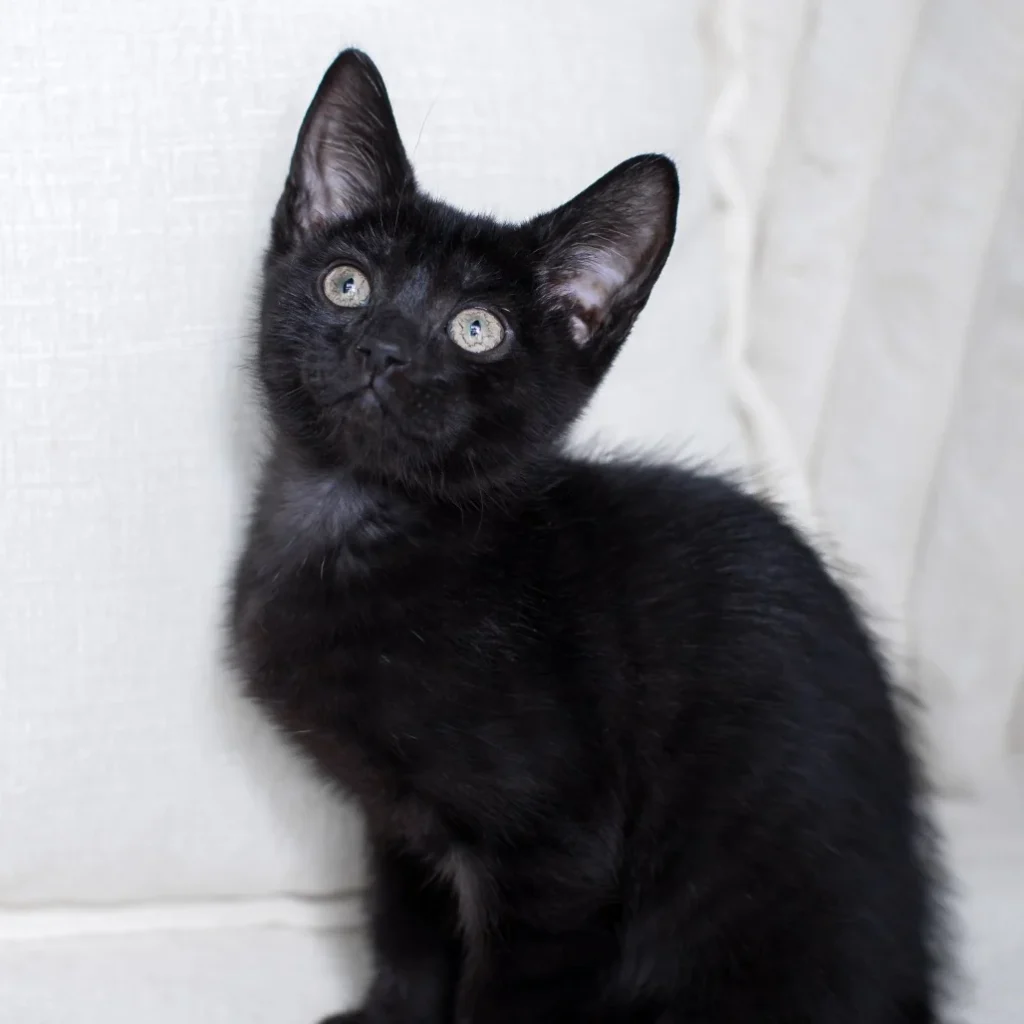
By the time a rescue cat appears on an adoption page, we have usually spent days or weeks learning about them.
A photo and short bio cannot show the veterinary appointments, foster updates, appetite checks, personality changes, and conversations that happened first.
For adopters, this explains why one cat may appear online quickly while another takes longer. We need enough information to describe the cat accurately and explain what type of home may fit them.
Here is what happens before a cat at Happy Whiskers Animal Coalition is listed for adoption.
Key Takeaways: What Happens Before a Rescue Cat Is Available for Adoption?
- We first address the cat’s immediate care and placement needs.
- Health needs and approved veterinary care are reviewed before adoption readiness is determined.
- Foster updates help us understand the cat’s personality and daily behavior.
- We use real observations to prepare adoption photos and descriptions.
- Some cats are ready to be listed sooner than others.
- Waiting to list a cat gives us time to provide adopters with clearer information.
The Cat First Enters Rescue Care
We do not write an adoption bio the moment a cat enters our care.
First, we need to understand what is happening with the cat.
A cat may arrive frightened, underweight, congested, or simply overwhelmed by a new environment. Young kittens may need closer monitoring based on their age and ability to eat independently.
The first few days can also give a misleading picture of personality.
An adult cat may hide for 48 hours and then begin following their foster around the room. A kitten that stays completely still during the first evening may be playing normally several days later.
We give the cat time to settle while the foster watches practical details such as eating, drinking, litter box use, activity, and behavior.
Those early observations help us decide what needs attention before adoption is considered.
We Review the Cat’s Health Needs
Before listing a cat, we need a clear understanding of their current health and planned care.
Depending on the cat, this may involve an exam, age-appropriate vaccines, parasite care, testing when needed, and spay or neuter planning. A cat with eye discharge, congestion, an injury, or another concern may need treatment or additional monitoring.
We coordinate approved medical care for cats in our rescue.
The goal is not to wait until every cat has a completely uneventful medical history. We need to understand the cat’s current condition well enough to explain relevant care needs honestly and decide whether they are ready to move toward adoption.
A playful kitten, for example, may still need time to gain weight or complete a planned veterinary step before being listed.
For a broader look at how cats move toward permanent homes locally, our guide to adopting a cat in South Florida explains what prospective adopters should know.
Foster Updates Help Us Understand the Cat’s Personality
A veterinary appointment cannot tell us whether a cat sleeps beside people, carries toys around the room, or needs several days before approaching someone new.
Foster homes give us that information.
We ask fosters to share photos, notes, and updates about the cat in their care. They may tell us that a shy cat now comes out for meals, a kitten plays constantly with a sibling, or an adult cat prefers sitting near people without being held.
Those details are more useful than calling every cat “sweet” or “loving.”
We want an adoption profile to describe behavior the foster has actually seen.
A cat’s behavior can continue changing after adoption, especially in a new environment. Foster observations still give us a much stronger starting point than describing the cat based on intake day.
We Consider What Type of Home May Fit the Cat
Once we know more about the cat, we can begin thinking about home fit.
A highly active kitten may need an adopter prepared for normal kitten energy and frequent play. A shy adult may need someone willing to give them space during the first days or weeks. Cats that are closely bonded may need to remain together.
We use the cat’s age, behavior, energy, social needs, and foster observations when preparing their listing.
This does not mean we can predict exactly how a cat will behave in every home.
It means we can tell prospective adopters what we have observed and explain any needs we already know about.
That information helps someone decide whether they should apply before either the adopter or the cat is placed in a poor fit.
Photos and Adoption Details Come From Real Foster Observations
The adoption profile is prepared after we have useful information to share.
Photos may improve once the cat has settled. A frightened intake photo may show flattened ears and a tense body. Several days later, the same cat may be sleeping openly or playing in the foster room.
The written description also changes as we learn more.
A foster may initially know only that the cat is quiet. After a week, they may be able to tell us that the cat waits by the door at feeding time, prefers wand toys, and approaches for attention once the room is calm.
Those details become part of how we introduce the cat to adopters.
The goal is accuracy. A good profile should help someone understand the individual cat rather than make every cat sound equally easy, social, or outgoing.
Cats Are Listed When We Have Enough Information to Introduce Them Responsibly
There is no single number of days every cat spends in care before being listed.
A healthy adult cat that settles quickly may be ready sooner. A young kitten may need time to grow. A cat receiving medical care may need additional monitoring. A shy cat may need more time before we can describe their normal behavior.
Sometimes the responsible decision is to wait.
Listing too early can mean relying on guesses about personality, care needs, or home fit. We would rather give the foster time to observe the cat and provide adopters with information based on what we actually know.
When a cat appears on our adoption page, the profile reflects the information available to us at that stage of their care.
Why This Preparation Matters to Adopters
If you are considering adoption, the details in a rescue cat’s profile should help you make an initial decision.
Does the cat’s energy fit your household? Are you comfortable giving a shy cat time to adjust? Does the cat have a known care need you should understand before applying?
The preparation before listing helps us answer those questions more clearly.
It also explains why a cat you heard about through a foster or social post may not appear on the adoption page immediately. We may still be learning about them or completing the steps needed before we are comfortable presenting them as ready for adoption.
Looking for a Cat to Adopt in South Florida?
If a cat is listed for adoption through Happy Whiskers Animal Coalition, we have already spent time gathering information about their care, behavior, and current needs.
The profile is the starting point for understanding the cat.
If you are ready to see which cats are currently looking for homes, you can view our adoptable cats and learn more about adopting through Happy Whiskers.