
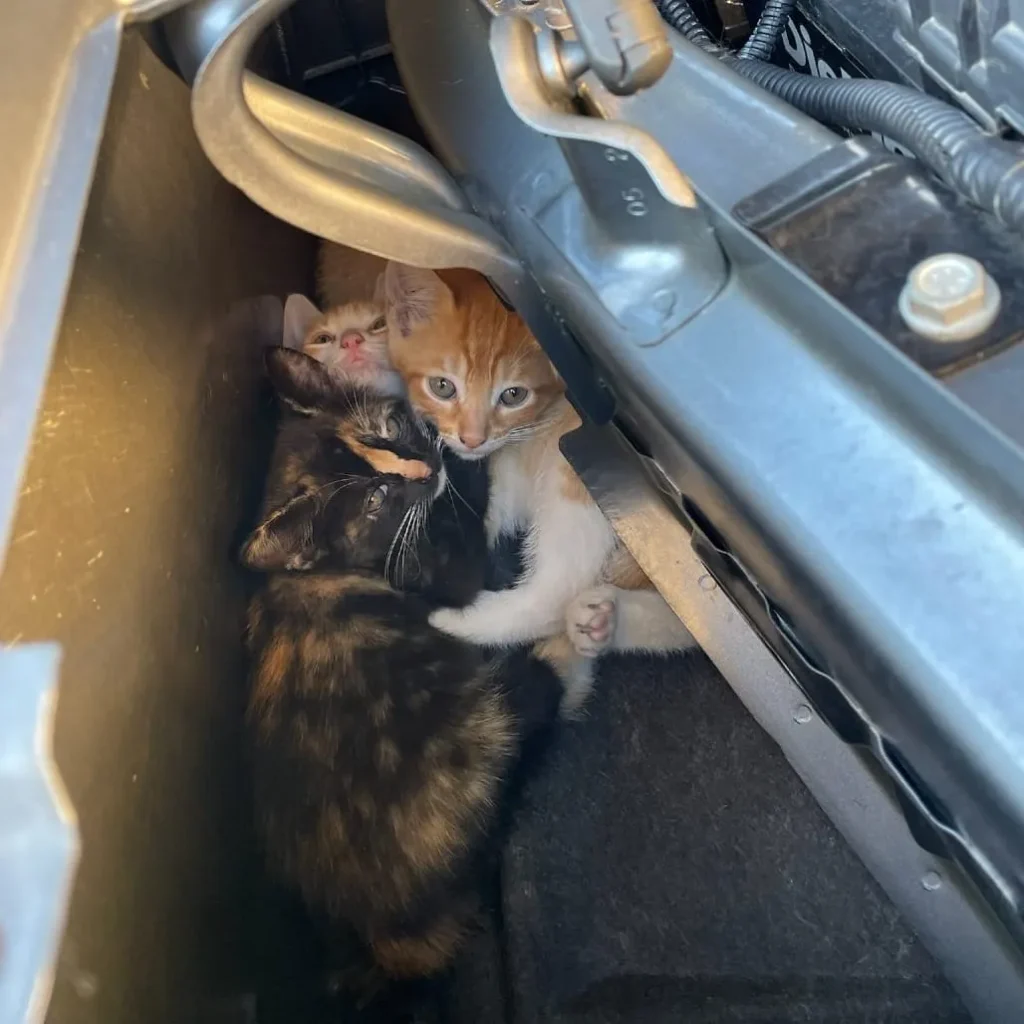
What if you bring home a rescue cat and the connection does not feel immediate?
You may worry the cat does not like you, wonder if you chose the wrong cat, or wait for a feeling that you expected to happen on the first day. For many adopters, the first few days are quieter and less certain than they imagined.
A cat who was social in a foster home may hide after moving into a permanent home. New rooms, voices, smells, and routines can change how comfortable a cat feels.
A slow start does not mean you and your rescue cat will not bond. Early trust often appears before obvious affection.
Key Takeaways: What Early Bonding With a Rescue Cat Can Look Like
- A rescue cat may need days or weeks to feel secure enough to show affection.
- Hiding or keeping some distance does not automatically mean the cat dislikes you.
- Eating near you, staying in the same room, grooming in the open, and slow blinking can be early signs of trust.
- Foster homes give us useful information about how a cat normally seeks attention and responds to people.
- Knowing a cat’s personality before adoption can help you set better expectations for the first few days.
Why Bonding With a Rescue Cat Can Take Time
When a cat arrives in a new home, almost everything familiar has changed at once.
Even a cat who confidently approached their foster family may spend the first day under a bed in an adopter’s home. The foster home’s feeding routine is gone. The usual hiding places smell different. There may be unfamiliar appliances, footsteps, voices, or other pets nearby.
The cat has to learn the new environment before you see the same personality their foster family described.
If you are still deciding whether adoption is right for you, our guide to adopting a cat in South Florida explains more about choosing a cat whose needs fit your home and routine.
Early Bonding May Be Easy to Miss
Many people picture bonding as a cat curling up beside them, asking to be held, or following them around the house.
Early trust can be much quieter.
You may notice your new cat:
- eating while you remain in the room
- watching you without immediately retreating
- grooming or stretching in the open
- accepting a treat from nearby
- slow blinking in your direction
- choosing to sleep somewhere visible
These behaviors may seem small, but they tell you the cat is becoming more comfortable in your presence.
One cat may rub against your legs within an hour of coming home. Another may spend three days watching you from under a chair before deciding to sit several feet away.
We pay attention to these differences in foster care because they help us explain how a particular cat usually builds trust. A cat who needed several quiet days in their foster home may need a similar adjustment period after adoption.
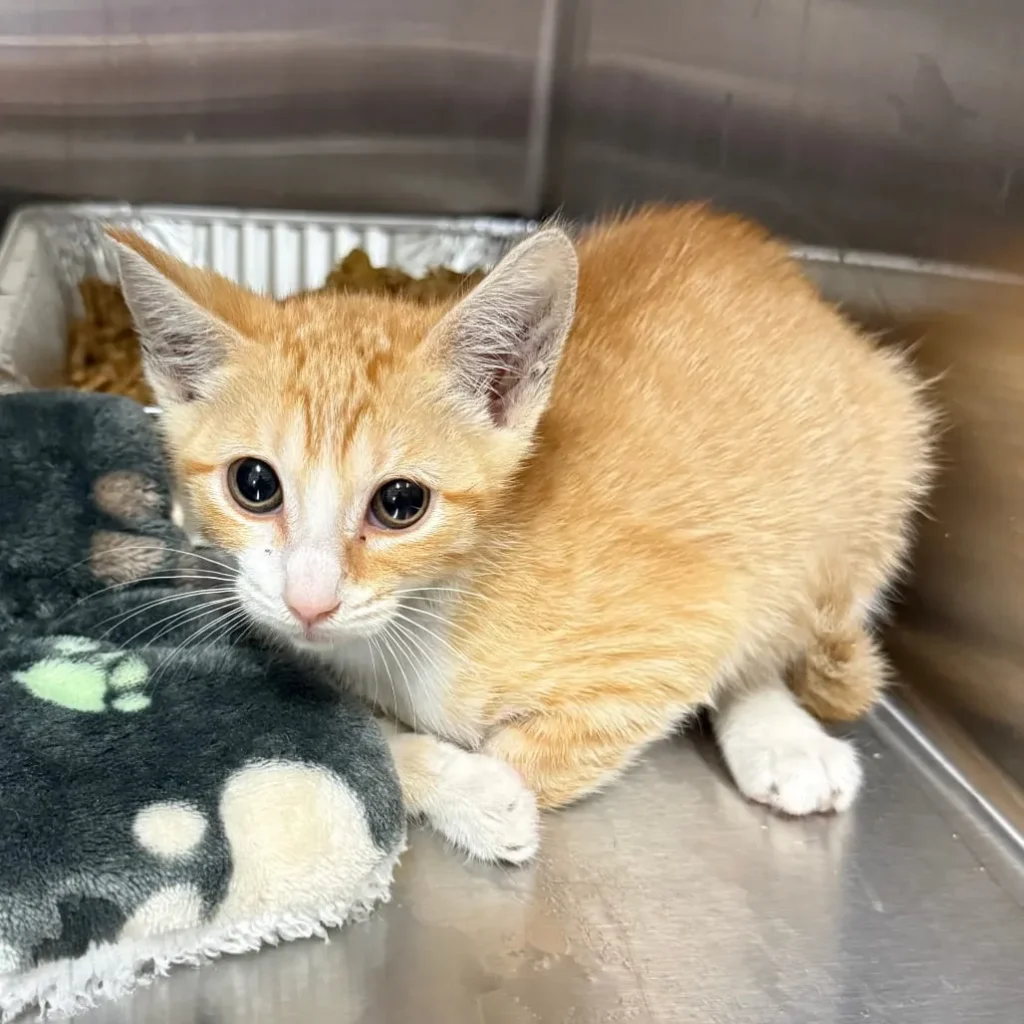
Foster Homes Help Us Understand How a Cat Connects With People
A short meeting does not always show you how a cat behaves once they feel settled.
Foster families see cats during ordinary routines. We may learn that a cat follows people into the kitchen but dislikes being picked up. Another cat may sleep beside their foster every night but hide when visitors arrive. A shy cat may become playful when a wand toy comes out.
Those details help us describe the cat more accurately to potential adopters.
They also give you a better reference point after adoption. If a foster tells us a cat normally seeks attention but the cat hides during the first two days in your home, we know the behavior you are seeing may be part of the move rather than the cat’s usual personality.
The first day in a new home is a poor test of what your long-term relationship with a cat will look like.
Your Own Expectations Can Make a Slow Start Feel Worse
Sometimes the cat is adjusting normally, but the adopter expected to feel an immediate connection.
This can be especially difficult if you previously had a very affectionate cat. You may unconsciously compare a new rescue cat with a pet you knew for years.
A cat who greeted you at the door or slept beside you every night probably did not become that familiar with you in a single afternoon. You are comparing an established relationship with a brand-new one.
Pay attention to changes in the new cat’s behavior instead.
A cat who hid completely on Monday but eats while you sit nearby on Thursday has made progress. A cat who previously ran when you entered the room but now stays on the couch is learning that your presence is safe.
Those changes tell you more than whether the cat has climbed into your lap yet.
Give the Cat Opportunities to Choose Contact
You do not need to constantly interact with a new cat to build a bond.
A quiet room can help during the first part of the adjustment period. Keep food, water, and the litter box easy to find, and give the cat an appropriate place to hide.
Spend time nearby without repeatedly reaching for the cat. You can sit in the room, speak normally, offer treats, or use a wand toy if the cat shows interest.
The goal is to give the cat repeated experiences where you are present and nothing frightening happens.
If the cat approaches, allow them to control how long the interaction lasts. Avoid pulling a hiding cat out, chasing them for attention, or repeatedly picking them up to test whether they are becoming more affectionate.
Trust is easier to observe when the cat is allowed to choose what happens next.
When a Slow Bond Leaves You Unsure, Ask Us
If you adopt through Happy Whiskers and feel uncertain about your cat’s behavior, tell us what you are seeing.
Details matter. “My cat doesn’t like me” is difficult to evaluate. Knowing that the cat eats overnight, uses the litter box, stays under the bed during the day, and comes out when the room is empty gives us much more useful information.
We may ask about the room setup, household traffic, other pets, feeding, or what happens when you approach the cat. We can also compare the behavior with what the foster family observed before adoption.
Questions during the adjustment period are normal. We would rather know what is happening early than have an adopter spend days assuming a cautious cat is rejecting them.

Thinking About Adopting a Rescue Cat in South Florida?
If you are worried you won’t bond with a rescue cat, ask about the individual cat before adopting.
How do they seek attention in their foster home? Do they enjoy being held? What happens when new people visit? Did they hide when they first entered foster care? What usually gets them to play or come closer?
The answers give you a better idea of what connection may look like with that specific cat.
When you feel ready, you can learn more about adopting through Happy Whiskers and see cats currently looking for homes.