
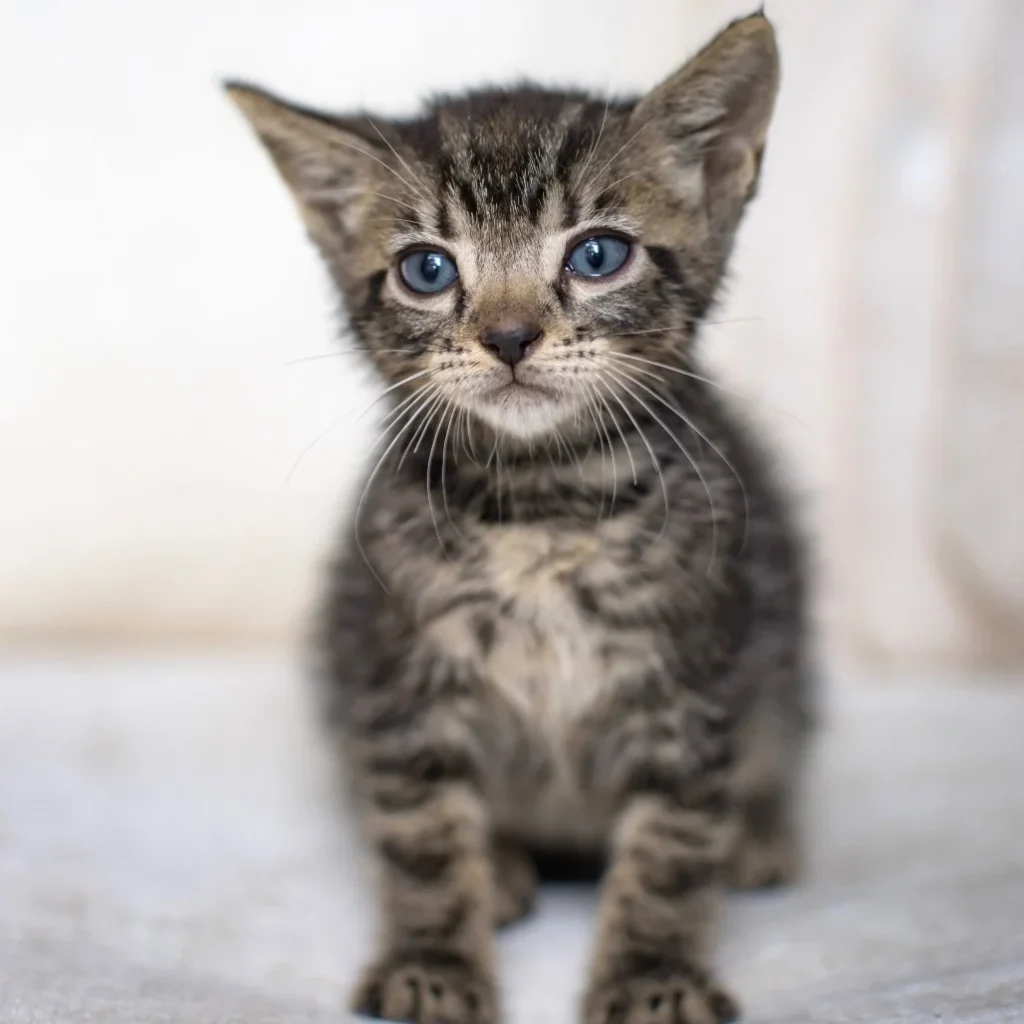
In South Florida, kitten season can last much longer than people expect. Local rescues may hear about newborns and young litters for months instead of seeing one short spring surge.
The reason is closely tied to our climate. Warmer conditions extend the breeding season for outdoor cats, which means kittens can be born and enter rescue care in several waves throughout the year.
For a foster-based rescue like Happy Whiskers Animal Coalition, a longer kitten season affects foster space, veterinary scheduling, supplies, and how quickly we can respond when another litter needs placement.
Key Takeaways: What Does a Longer Kitten Season Mean for Fostering?
- South Florida’s long warm season can extend kitten season beyond the shorter spring and summer surge seen in colder states.
- Kittens may enter rescue care in several waves throughout the year.
- Foster homes are needed when kittens are too young, small, or medically unready for adoption.
- Different ages require different levels of care; not every foster has to handle newborn or bottle-fed kittens.
- A bathroom, spare room, or appropriate enclosed setup may be enough space for some foster placements.
What “Kitten Season” Means in Rescue Work
Kitten season is the part of the year when shelters and rescues see a noticeable increase in newborn kittens, nursing litters, and young cats that are not ready for adoption.
The term sounds like a single season with a clear beginning and end. In South Florida, it is rarely that simple.
A litter may enter rescue with its mother. Orphaned kittens may need frequent feeding and close monitoring. Older kittens may already eat on their own but still need time to grow, receive medical care, and prepare for adoption.
These kittens cannot always wait several weeks for foster space to open. Their age and condition affect how quickly placement is needed.
Our guide to fostering cats in Broward County explains why available foster homes directly affect how many cats a foster-based rescue can place.
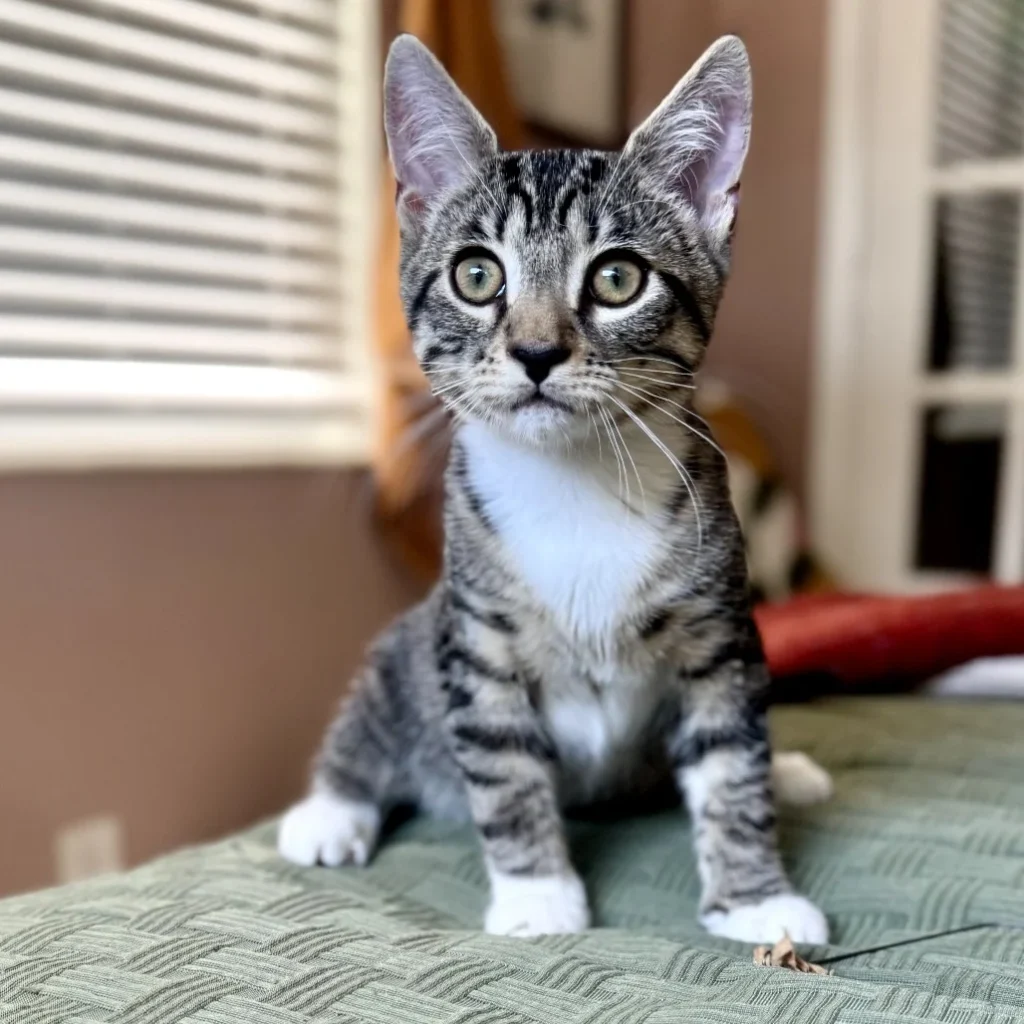
Warm Weather Extends South Florida’s Kitten Season
Cats are seasonal breeders, and longer periods of warm weather and daylight can extend reproductive activity.
In colder parts of the country, kitten intake often rises during spring and summer and slows as temperatures drop. South Florida does not have the same prolonged winter conditions.
That gives outdoor cats a longer breeding window.
For rescues in Broward County, this means we may hear about newborn kittens in one part of the county and then receive reports of another young litter weeks or months later. The cases do not always arrive during one predictable peak.
A longer breeding season creates repeated periods of kitten intake rather than one short rush.
Kittens Can Enter Rescue in Several Waves
Outdoor litters are not all born at the same time, and they are not always found immediately.
One litter may be discovered behind a business when employees hear kittens crying. Another may be reported near an apartment complex after someone notices a mother cat returning to the same area. Kittens near a community cat feeding location may not be reported until they become active enough to be seen regularly.
By the time a rescue hears about them, each litter may be at a different stage.
A nursing litter with its mother has different needs from four-week-old orphaned kittens. Older socialized kittens may need a foster home while they complete medical care and prepare for adoption.
This staggered intake is one reason South Florida’s kitten season puts ongoing pressure on foster space. A foster home that opens in July may be just as useful as one available during the first spring surge.
A Longer Kitten Season Means Foster Space Is Needed for More Months
Foster homes give kittens a place to stay while they grow and move through the steps required before adoption.
Some kittens may need only a few weeks in care. Others need more time because of age, health, or socialization needs.
At Happy Whiskers, we do not expect every foster to handle every type of kitten case.
Bottle babies require frequent feeding and close monitoring. Older kittens who eat independently usually have a different daily routine. A mother cat with kittens has her own placement needs.
We match placements based on the foster’s availability, experience, and home setup. For some kittens, a quiet bathroom, spare room, or appropriate crate setup provides enough separation and space.
The longer season means we need different foster homes at different times. Someone who cannot foster in April may still be able to take a placement later in the summer or fall when another litter needs care.
Foster Homes Give Kittens Time to Become Adoption Ready
Many kittens entering rescue are simply too young to be adopted immediately.
They may need to gain weight, learn to eat independently, receive veterinary care, or spend time being handled before they are ready for an adoptive home.
A foster home gives us a controlled place to monitor those changes.
Fosters can tell us whether a kitten is eating normally, using the litter box, gaining confidence, or showing a change in behavior. They also provide photos and personality updates that help us prepare more accurate adoption information.
For a foster-based rescue, this information comes directly from the home where the kitten is living.
The goal is to give each kitten the time and care needed before adoption without asking one foster home to handle every kitten that enters the rescue.
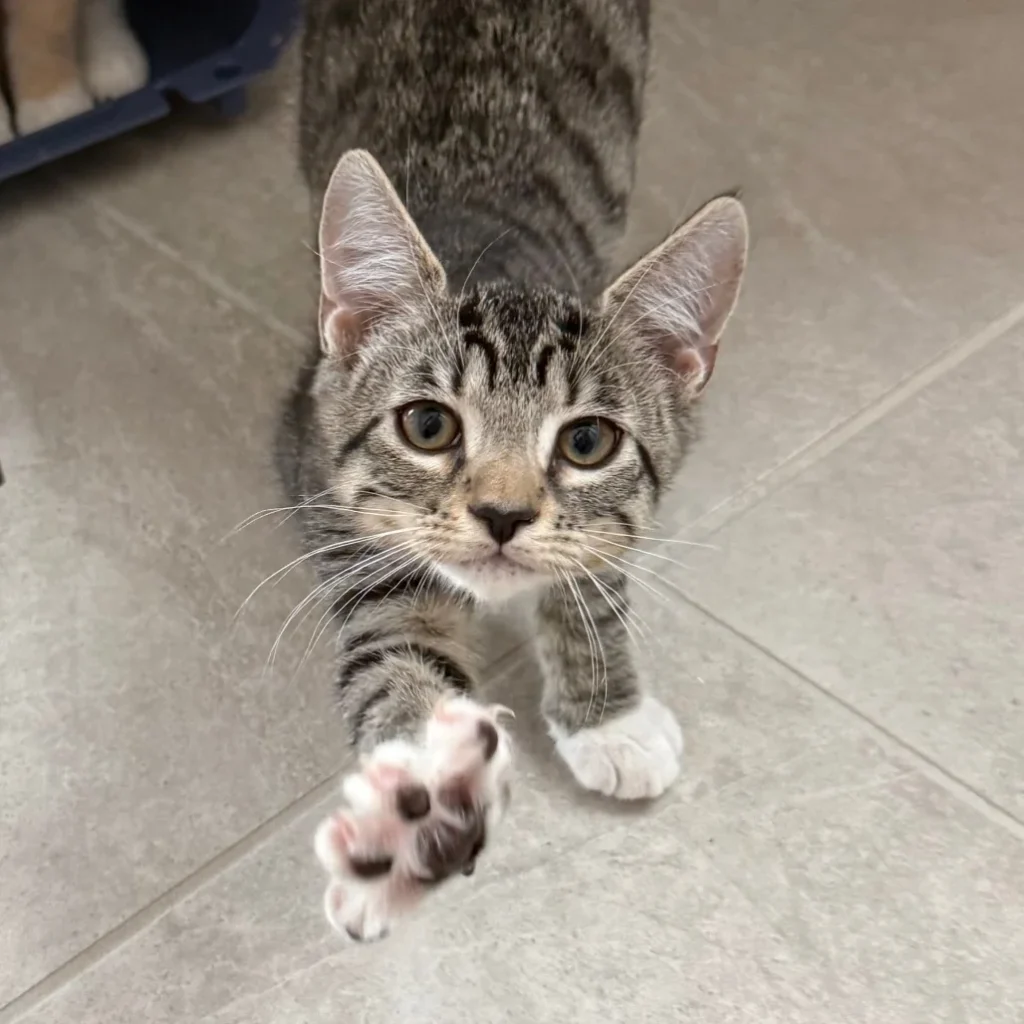
Why Foster Availability Matters Throughout the Year
A longer kitten season affects more than the number of kittens we hear about. It affects timing.
Veterinary appointments have to be coordinated. Supplies move between foster homes. Transport may be needed. A foster’s blackout dates or travel plans can affect when they are available for another placement.
When kitten intake continues for months, we need to know which foster homes are open at that specific time.
This is why temporary foster availability can be useful. A person who can foster for several weeks during one part of the year may fill a gap when another foster is unavailable or when a new litter enters care.
At Happy Whiskers, our minimum foster commitment is two weeks. We provide food, supplies, approved medical care, training, and ongoing help so fosters are not expected to coordinate a kitten’s rescue plan on their own.
Thinking About Fostering During South Florida’s Kitten Season?
You do not need to be available for the entire kitten season.
If you have at least two weeks, a safe indoor space, and the ability to help with transportation for approved medical care, there may be a foster placement that fits your availability.
You also do not need previous rescue experience. We can discuss the types of cats or kittens you are comfortable caring for and match placements based on current needs.
If you are considering opening your home during a busy intake period, you can learn how our foster program works.