
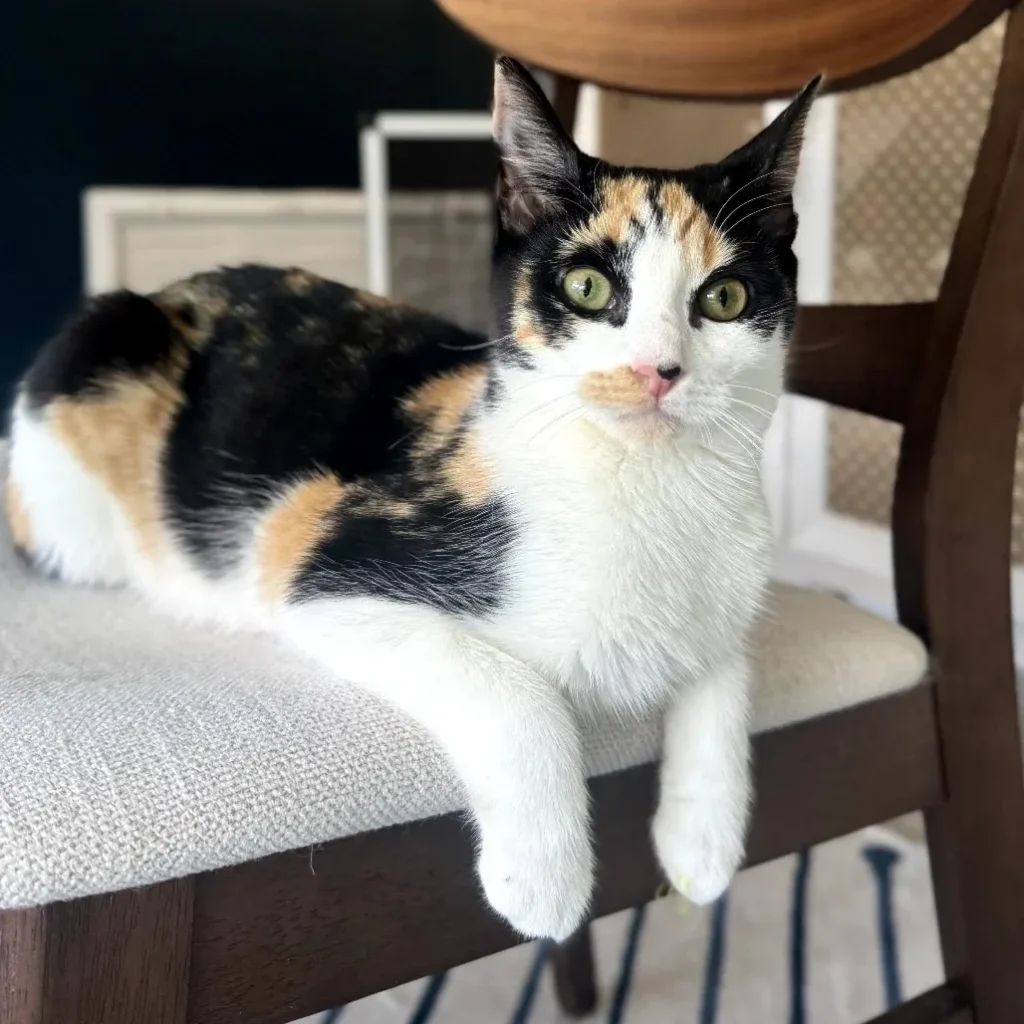
Volunteering at a cat rescue does not look the same for everyone.
Some people help directly with cats. Some drive cats to vet appointments or adoption events. Others help with foster coordination, supply pickup, paperwork, outreach, or event setup.
For many people in Broward County and nearby South Florida communities, the hesitation is not about caring. It is about not knowing where they would fit.
Here are five types of volunteers cat rescues rely on and what each role usually involves.
Key Takeaways: Who actually volunteers at cat rescues?
- Cat rescues need more than hands-on animal care volunteers.
- Most volunteer roles are simple, task-based, and easy to learn.
- Foster homes provide temporary care, but not every volunteer needs to foster.
- Transport and event volunteers help cats move through the rescue process.
- Coordination volunteers support the behind-the-scenes work that keeps placements organized.
- Reliability matters more than having animal rescue experience.
1. Direct Animal Care Volunteers
Direct animal care volunteers help with the daily tasks that keep cats clean, fed, and comfortable.
This may include feeding, refreshing water, scooping litter, wiping surfaces, changing bedding, restocking supplies, and spending calm time with cats who need gentle socialization.
The ASPCA lists shelter-support tasks such as laundry, sorting donated goods, cleaning empty enclosures, stocking supplies, washing dishes, and washing transport cages. Those kinds of tasks may sound basic, but they are the foundation of daily animal care.
For Happy Whiskers, this kind of help matters because clean spaces, fresh supplies, and steady routines make care easier for cats, fosters, and coordinators.
You do not need advanced experience to help with direct care. You need to follow instructions, pay attention, and show up when scheduled.
2. Foster Home Volunteers
Foster volunteers care for cats or kittens in their own homes until the next step is ready.
That may mean caring for kittens until they are old enough for adoption, giving an adult cat time to settle, or helping a cat recover in a quieter space. Foster homes are especially helpful when cats need more individual attention than a busy intake environment can provide.
Fostering is not the same as adoption. It is temporary care with a plan.
A foster home may help with feeding, litter care, basic observation, photos, updates, and getting the cat to approved appointments when needed. Medical decisions and placement planning stay with the rescue.
This role is best for someone who can provide safe indoor space and daily consistency. It does not have to be permanent, but it does need to be reliable for the agreed placement window.
3. Transport Volunteers
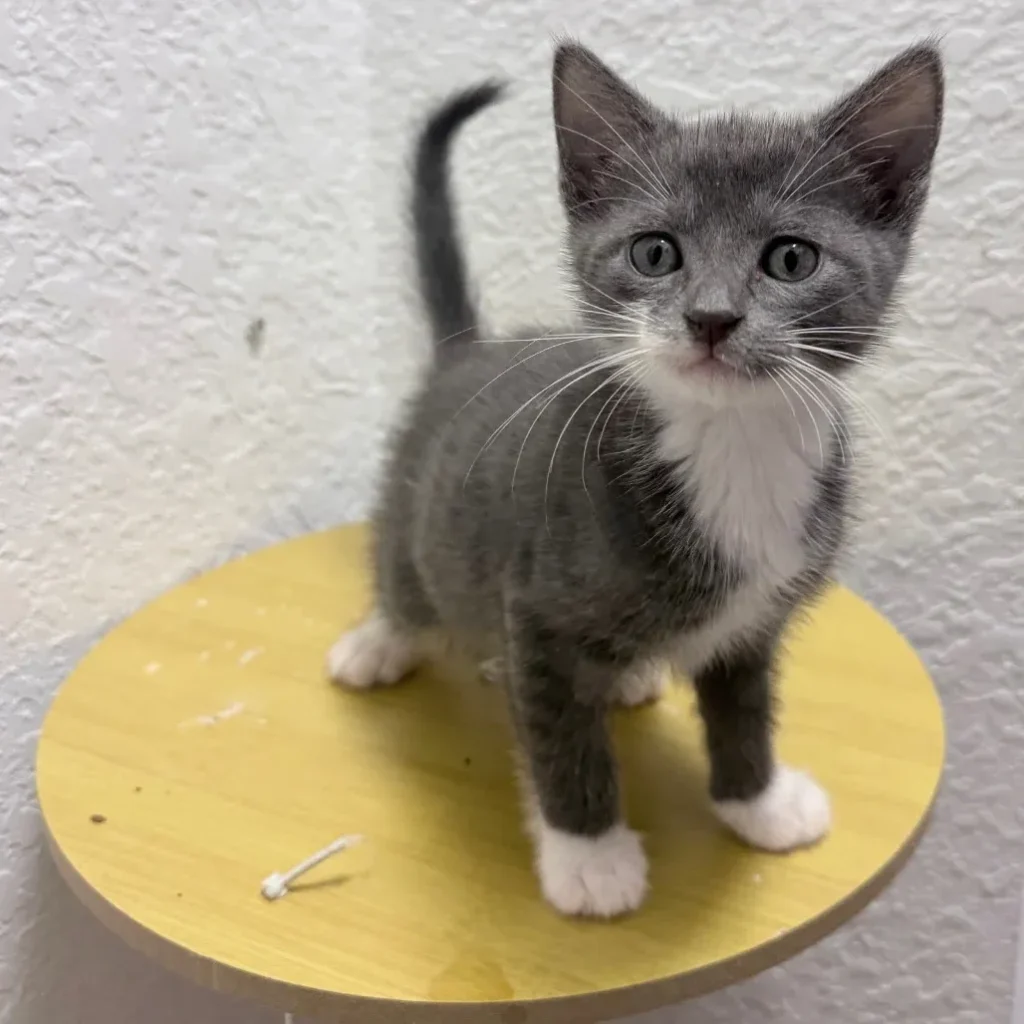
Transport volunteers help cats get where they need to go.
That may mean driving a cat from a foster home to a vet appointment, picking up supplies, helping with an adoption event drop-off, or moving a kitten from one approved location to another.
Best Friends notes that people can help locally through pet transport, community cat care, advocacy, and volunteering with partner shelters.
Transport is one of the most useful roles for people who want to help but cannot commit to daily care. Most trips are short, scheduled, and specific. The cat stays in a secure carrier, and the main responsibility is safe pickup, careful driving, and on-time drop-off.
A single ride can keep a vet appointment, foster handoff, or adoption event from falling through.
4. Administrative and Coordination Volunteers
Some of the most important rescue work happens behind the scenes.
Administrative and coordination volunteers help keep information, schedules, and communication organized. This may include answering inquiries, tracking foster availability, helping with adoption event details, coordinating transport, updating cat profiles, or following up on basic status changes.
This role does not always involve direct cat handling, but it affects almost every part of the rescue process.
If a foster home is available but no one tracks it, a placement can be delayed. If transport is not coordinated, a vet appointment can be missed. If updates are not organized, adoption decisions take longer.
This role is a good fit for someone who is organized, responsive, and comfortable helping through communication rather than hands-on care.
5. Outreach and Adoption Event Volunteers
Outreach and adoption event volunteers help cats become visible to the public.
This may include setting up event spaces, helping visitors meet cats calmly, sharing basic information, supporting social media updates, taking photos, or helping keep event flow organized.
Humane Society of Broward County lists education outreach volunteer work that teaches children and adults about pet safety, overpopulation, adoption, and lifetime pet responsibility, with a minimum commitment of once a month.
For a foster-based rescue, outreach matters because many cats are not sitting in a public shelter kennel every day. They may be in foster homes, which means events, photos, posts, and clear communication help adopters find them.
This role is a good fit for people who are comfortable with community interaction, event support, and helping cats be seen without pressuring anyone to adopt.
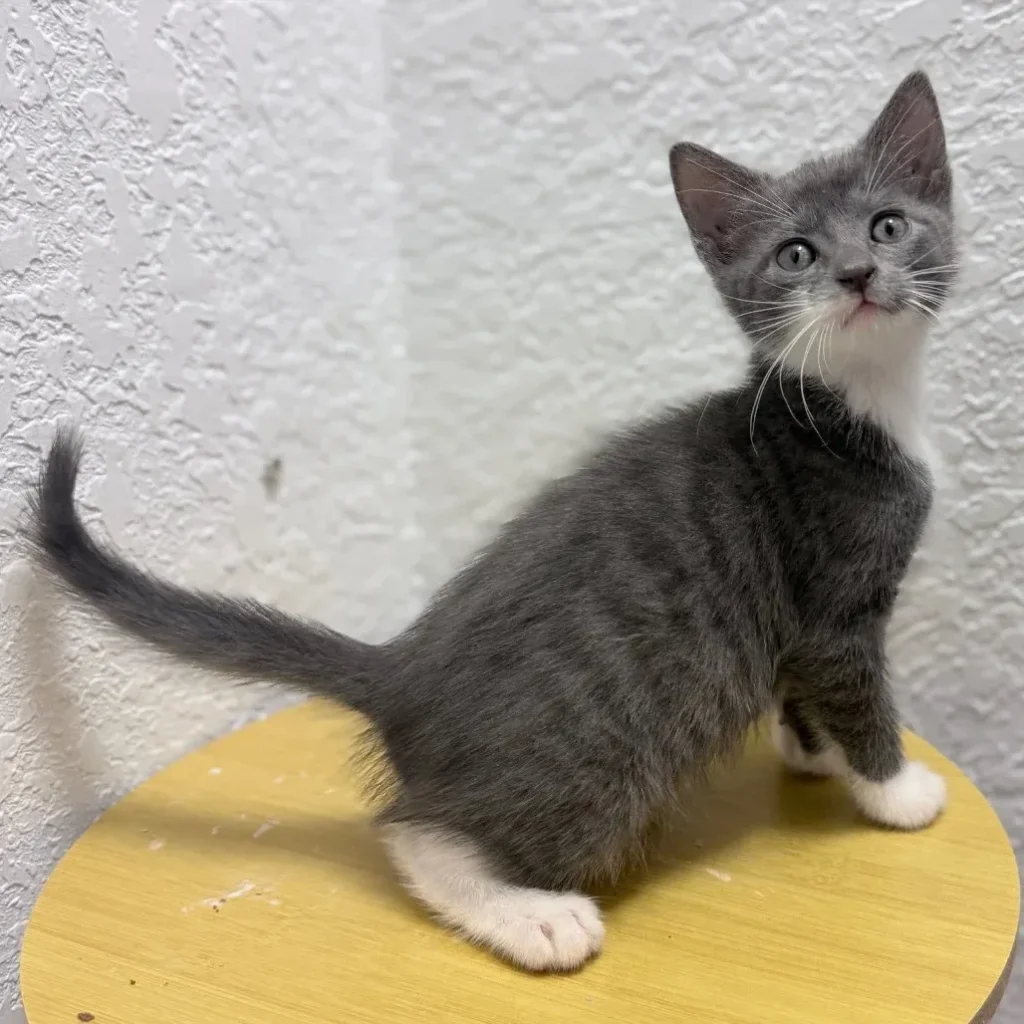
Cat rescues rely on different types of volunteers.
Some people feed, clean, and socialize cats. Some foster. Some drive. Some organize information. Some help at events or with outreach.
Each role supports a different part of the same process: getting cats from intake to care, from care to visibility, and from visibility to adoption.
You do not need to know exactly where you fit before getting started. You only need to understand your schedule, comfort level, and the type of help you can realistically provide.If you are in South Florida and want to support cats in a practical way, you can review our volunteer opportunities and see which role fits best.