
Yes, families and couples can often volunteer together at a cat rescue, but the work still needs structure. Rescue volunteering is based on real tasks, confirmed schedules, and the needs of the cats in care.
For people in Broward County and nearby South Florida communities, the question is usually practical: Can we come at the same time? Can we do the same role? What if one person is more comfortable with cats than the other?
This article explains how group volunteering usually works, which roles are a good fit, where safety limits apply, and how Happy Whiskers Animal Coalition matches volunteers with realistic ways to help.
Key Takeaways: Can families or couples volunteer together at a cat rescue?
- Families and couples can often volunteer together when the role fits a shared shift and can be done safely.
- Group-friendly tasks usually include cleaning, feeding support, event help, transport, supplies, and cat socialization.
- Some roles are not assigned to groups because sick, stressed, or medically fragile cats may need limited handling.
- Scheduling works best when volunteers share their real availability before committing to a shift.
- Most new volunteers do not need rescue experience before starting.
- Happy Whiskers matches volunteers based on availability, comfort level, and current rescue needs.
How Group Volunteering Works in Most Cat Rescues
Group volunteering is usually allowed, but it is not the same as dropping in whenever a family or couple has free time. Rescue work depends on assigned tasks, because feeding, cleaning, transport, adoption events, and foster support all need to happen on schedule.
At Happy Whiskers, we review volunteer interest so we can understand who is applying together, what each person is comfortable doing, and when they are actually available. That helps us place people into roles they can follow through on.
A couple may be scheduled together for an adoption event. A parent and teen may help with supply sorting or event setup. A family may support transport or donation pickup when timing and supervision make sense.
The main rule is simple: volunteering together is possible when the task is safe, useful, and organized.
What Roles Couples and Families Can Do Together
The best group volunteer roles are usually practical, routine, and easy to divide between people.
Couples and families may be able to help with:
- adoption event setup and breakdown
- greeting visitors at events
- cleaning carriers, crates, or event supplies
- sorting donations or preparing supplies for foster homes
- transporting supplies, cats, or equipment when approved
- helping with feeding and cleaning tasks during scheduled shifts
- calm cat socialization when the cat is comfortable with group interaction
For example, one person may organize supplies while another helps clean. At an adoption event, one volunteer may speak with visitors while another helps monitor supplies or keep the area tidy.
Cat socialization can also work well for couples or families, but it needs to be calm and supervised.
Definition: Cat socialization means quiet, controlled interaction that helps cats become more comfortable with people, handling, and normal household activity.
This does not mean every family member handles every cat. Some cats do better with one calm person nearby. Others may enjoy gentle play or short visits from different people. The role depends on the cat.
Limitations and Safety Guidelines for Group Volunteering
Some rescue tasks are not appropriate for couples or families to do together. These limits are not meant to exclude anyone. They protect cats who need quieter, more controlled care.
Group volunteers are usually not assigned to:
- medical or isolation care
- medication handling
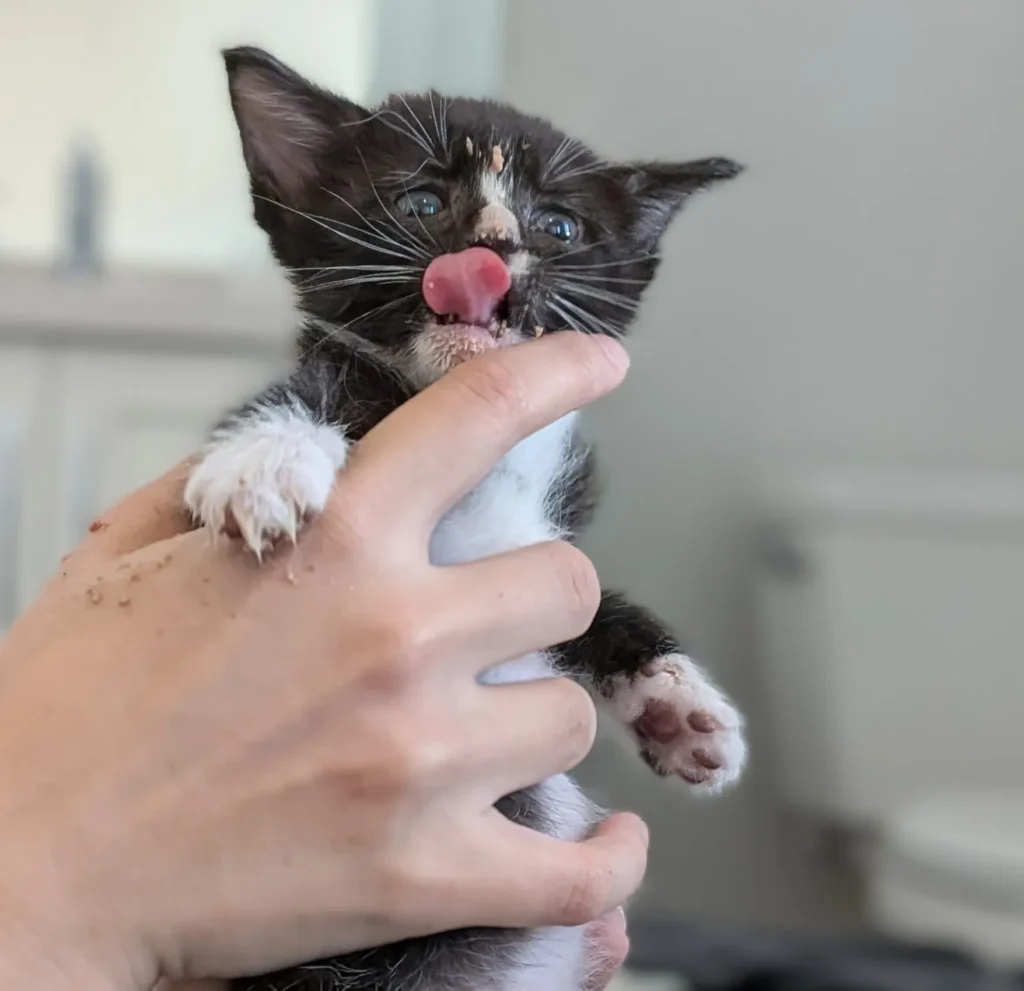
- neonatal kitten care
- high-stress intake handling
- areas where new arrivals are being assessed
- situations where one trained person needs to manage the cat closely
A newly rescued cat may be scared, sick, or overstimulated. In those cases, extra people in the space can make handling harder and increase stress.
Definition: Controlled care areas are spaces where access and handling are limited to protect a cat’s health, recovery, or stress level.
If one task is restricted, volunteers can often still help nearby. For example, a family may not handle a medically fragile cat, but they may help clean supplies, prepare carriers, organize donations, or support event logistics.
How Scheduling Works for Couples and Families
Families and couples can usually request the same shift, but scheduling depends on what the rescue needs that week. In South Florida, needs can change quickly during kitten season, adoption events, vet appointments, and new intake.
We ask volunteers to be honest about availability before committing. A two-hour event shift once a month is easier to plan around than an open-ended offer with no clear schedule.
Couples do not always need identical availability. One person may help at an event while another helps with transport on a different day. A family may volunteer together occasionally instead of weekly.
The most important expectation is reliability. Once a shift is confirmed, the rescue is counting on that help.
Getting Started as a Group Volunteer in South Florida
Families and couples usually start by submitting a volunteer inquiry or application together. From there, we review availability, interests, comfort level with cats, and any limits around transportation, scheduling, or age requirements.
A typical process includes:
- submitting volunteer interest
- reviewing available roles
- completing orientation or basic guidance
- receiving a first assignment
- joining a scheduled shift or task
Most group volunteers do not need previous rescue experience. We match new volunteers with beginner-friendly tasks first, then adjust based on comfort and reliability.
For families, age and supervision matter. Some tasks may be better for adults, while others may allow younger helpers when a parent or guardian is present and the setting is appropriate.
If you are interested in helping with a partner or family member, the best next step is to review our volunteer opportunities and tell us who wants to participate, when you are available, and what kind of support feels realistic.
Families and couples can volunteer together at a cat rescue when the role fits the schedule, the setting, and the cats’ needs. The work is usually shared through tasks like event help, transport, cleaning, supply support, and calm socialization.
Some roles require individual handling or extra training, especially when cats are sick, stressed, or newly rescued. That does not prevent group volunteering. It simply helps us place each person where they can help safely and consistently.
For South Florida families and partners who want to get involved, group volunteering can be realistic when expectations are clear from the start.