
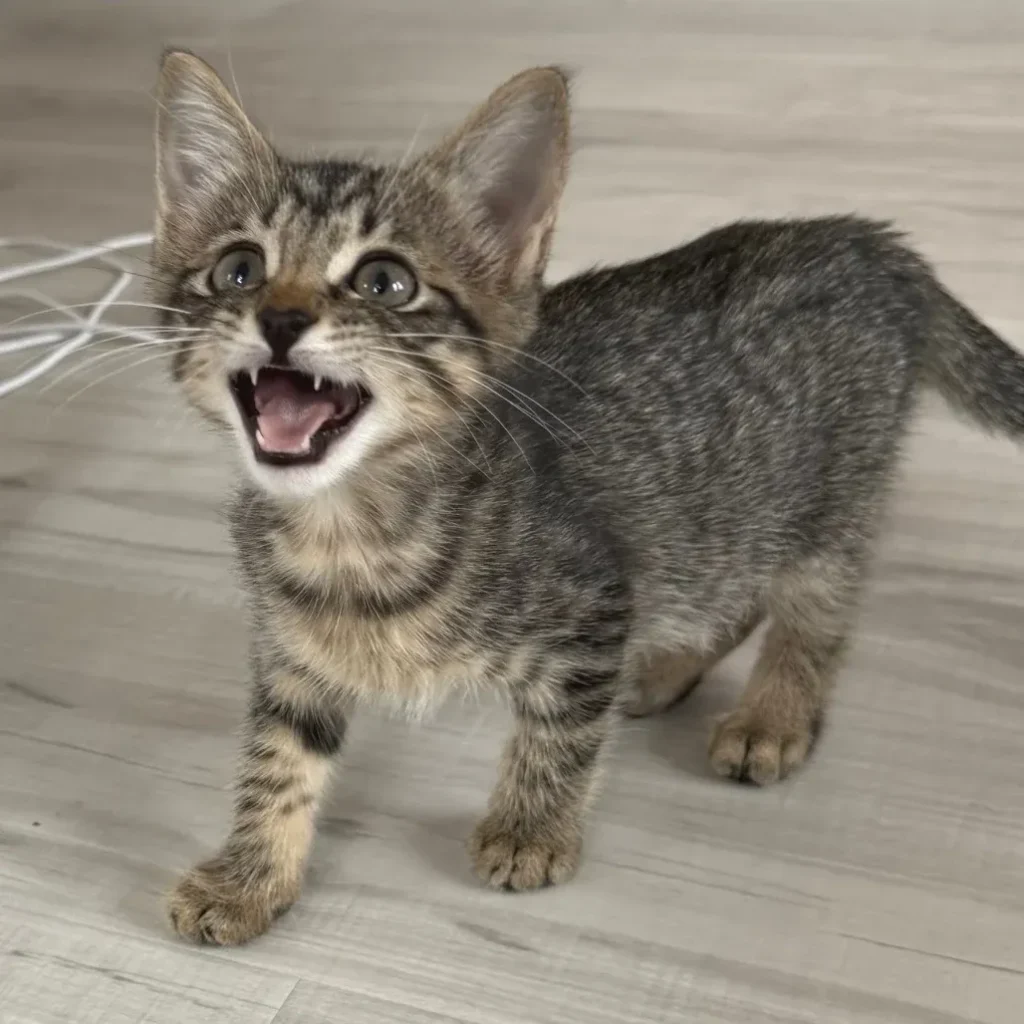
You bring a rescue cat home, prepare a quiet space, and expect them to slowly look around. Instead, they disappear under the bed and stay there.
Maybe they move away when you reach toward them. They wait until you leave the room to eat. Each time you walk in, they watch you like you are the problem.
It can feel personal.
If your rescue cat doesn’t seem to like you right away, their behavior is usually telling you they feel unsure about the environment—not that they have decided they dislike you.
The first few days give a cat a lot of new information to process. Your job is to watch what the cat is doing, reduce pressure, and look for small changes in their behavior.
Key Takeaways: Does My Rescue Cat Dislike Me?
- Hiding and avoiding touch are common when a cat does not feel secure in a new space yet.
- Watch for changes in eating, litter box use, movement, and where the cat chooses to rest.
- A cat can make progress without becoming affectionate immediately.
- Repeatedly reaching for, picking up, or pulling out a nervous cat can add pressure.
- Contact the rescue if the cat stops eating, has litter box problems, or remains severely distressed.
Your Cat Is Reacting to the New Environment
A newly adopted cat does not know what you know.
You know the bedroom is quiet. You know the vacuum only runs for a few minutes. You know the dog cannot enter the room and that dinner arrives every evening.
The cat has not learned any of that yet.
They may have recently moved between a foster home, carrier, veterinary clinic, adoption event, or another temporary setting. Now the smells, footsteps, doors, voices, and hiding places have changed again.
Hiding under a bed or staying inside a carrier gives the cat a place to observe without feeling exposed. Waiting until nighttime to eat may mean the cat is more willing to move when the home is quiet.
If you are new to adopting a rescue cat in South Florida, this early adjustment can look much more negative than it actually is.
Do not use affection as your only measure of how the cat is doing.
Look for Evidence That the Cat Is Adjusting
A cat does not need to sit in your lap to show progress.
Pay attention to practical changes:
- Did the cat eat?
- Are they drinking and using the litter box?
- Are they leaving the hiding spot when the room is quiet?
- Have they started sleeping somewhere more visible?
- Do they remain in the room when you enter instead of immediately running?
- Are they watching a toy or accepting treats?
For example, a cat may spend the first night completely under a bed. Two days later, they still hide when you enter but come out to eat as soon as you sit quietly across the room.
That cat is still nervous, but the behavior has changed.
When foster families update us about a shy cat, these are the details that help us understand what is happening. “She hates me” gives us very little to work with. “She eats overnight, uses the litter box, and watches me from under the chair without running” tells us much more.
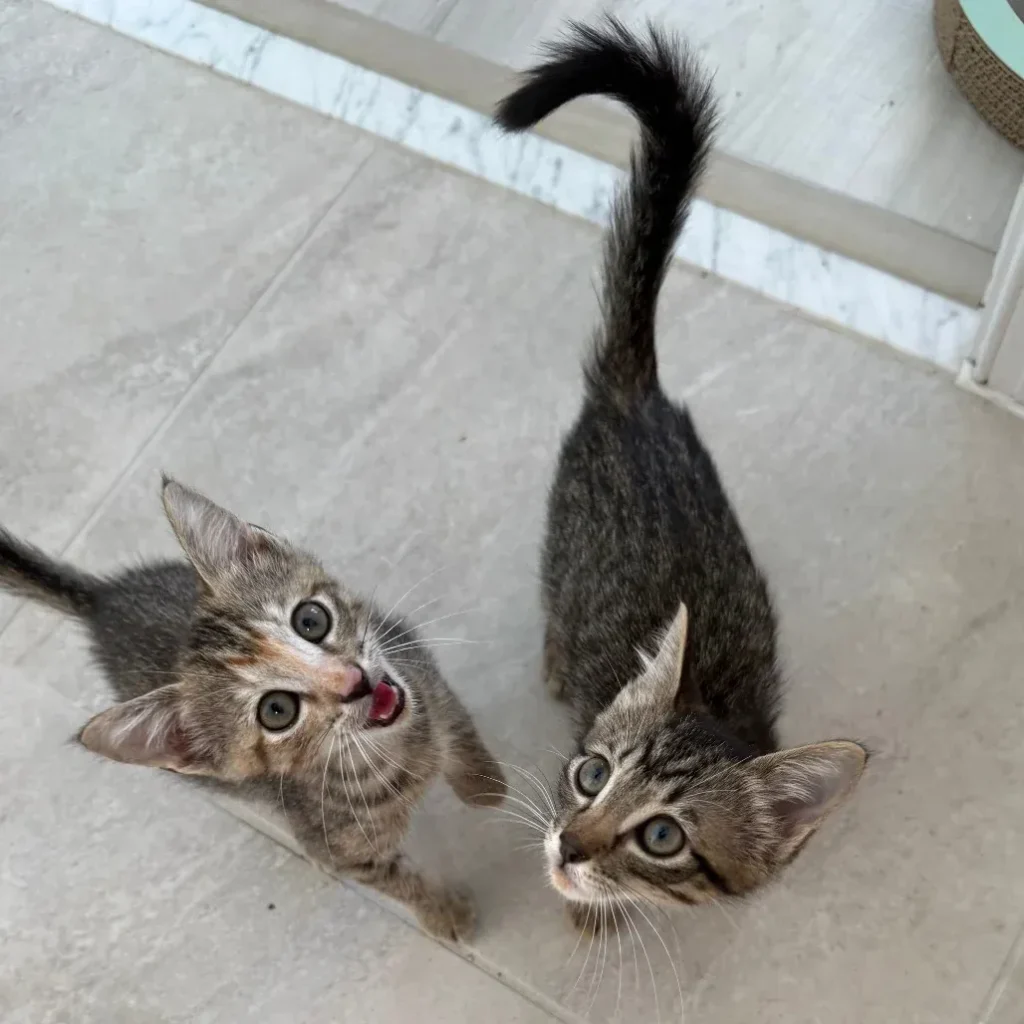
Stop Trying to Convince the Cat to Like You
When a cat seems afraid, people often increase their efforts to connect.
They reach under the bed. They offer their hand repeatedly. They pick the cat up and place them on the couch. They check the hiding spot every 20 minutes to see whether anything has changed.
From the cat’s perspective, the person they are unsure about keeps entering their safe space.
Give the cat opportunities to observe you without being asked to interact.
Sit in the room and read, work on your laptop, or speak quietly. Feed on a regular schedule. Clean the litter box. If the cat shows interest in a wand toy or treat, use it, but do not keep moving closer every time the cat responds.
The cat needs to learn that your presence does not always come with a demand for contact.
That lesson can do more for trust than repeatedly trying to pet a nervous cat.
Keep the Cat’s World Small at First
A full home can give a nervous cat too many places, sounds, and routines to learn at once.
When appropriate, we often want a newly placed cat to begin in a quiet room with easy access to food, water, a litter box, and a safe hiding place. The exact setup may depend on the cat and household, so follow the instructions provided for your placement.
A smaller space also makes changes easier to notice.
You can see whether food was eaten. You know if the litter box was used. You can tell if the cat moved from under the bed to a chair or began sleeping in the open.
Giving immediate access to an entire home can make those details harder to track, especially if the cat finds a hiding place you cannot easily observe.
Know When Hiding Is No Longer Just an Adjustment Question
Hiding by itself can be part of settling into a new home. Hiding combined with changes in basic care needs deserves closer attention.
Contact us if a newly placed cat:
- stops eating or you cannot confirm that they are eating
- strains in the litter box or is not urinating
- vomits repeatedly or has ongoing diarrhea
- seems physically weak or unusually unresponsive
- shows severe distress without any improvement
Do not wait several weeks because someone told you that “rescue cats just need time.”
If you adopted through Happy Whiskers, tell us exactly what you are seeing and when it started. We may ask when the cat last ate, whether the litter box was used, where the cat is hiding, and what happens when someone enters the room.
Those details help us decide whether the setup needs to change or whether the cat needs medical attention.
Your Cat May Show Affection Differently Than You Expected
Some cats make their feelings obvious. They climb into laps, sleep beside people, and ask to be petted.
Others show comfort by staying nearby.
A cat may follow you into another room but sit six feet away. They may sleep at the end of the bed rather than beside your pillow. They may slow blink at you but dislike being picked up.
If you only count cuddling as affection, you may miss the way the individual cat chooses to interact.
This is another reason foster observations help. We may already know that a cat rarely sits in laps but follows their foster around the house. If that cat begins following you after adoption, we know the behavior means something even if they still avoid being held.
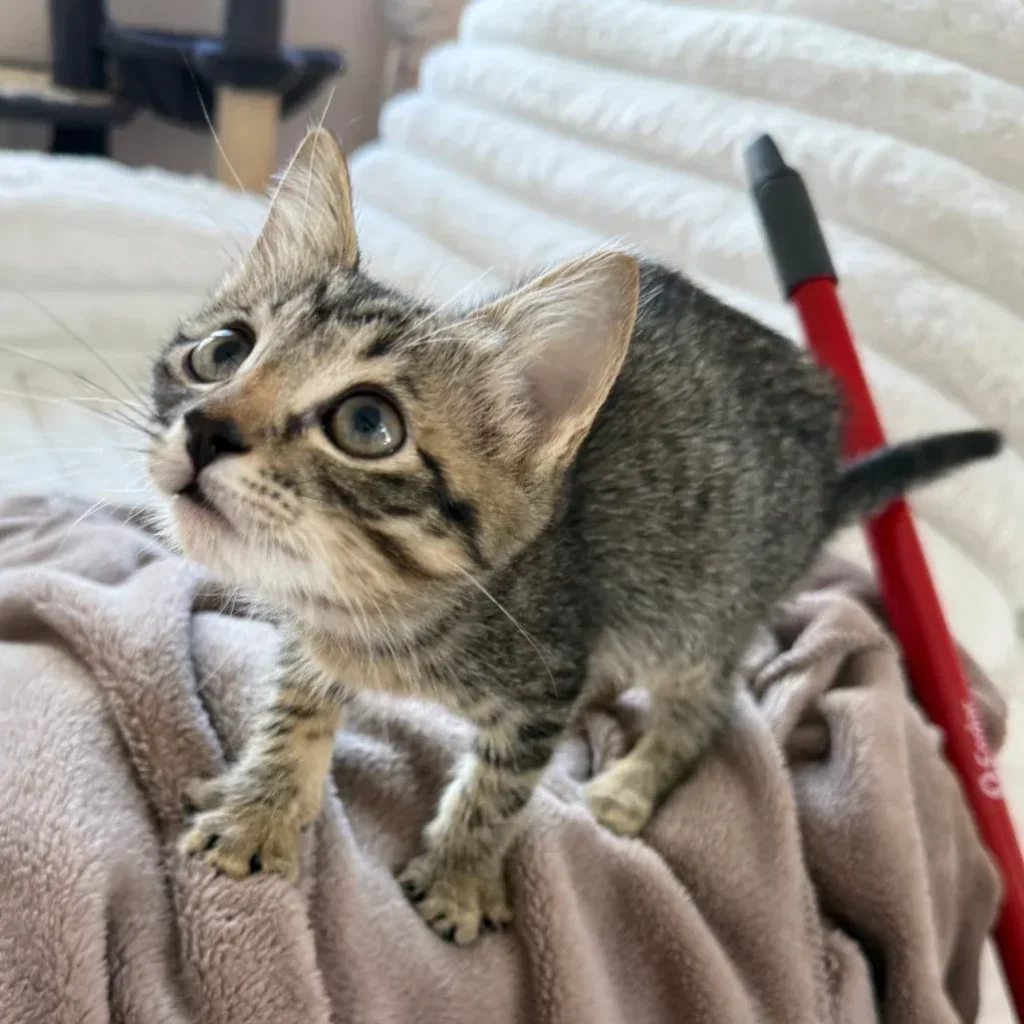
If You’re Considering Adopting in South Florida
A cat’s first few days in a home do not always show you what living with that cat will be like long term.
Ask how the cat behaved when they first entered foster care. Find out what they do when comfortable, how they normally seek attention, and what tends to make them nervous.
That information gives you a better baseline for the individual cat.
If you are considering adoption, you can learn more about adopting through Happy Whiskers and see cats currently looking for homes.