
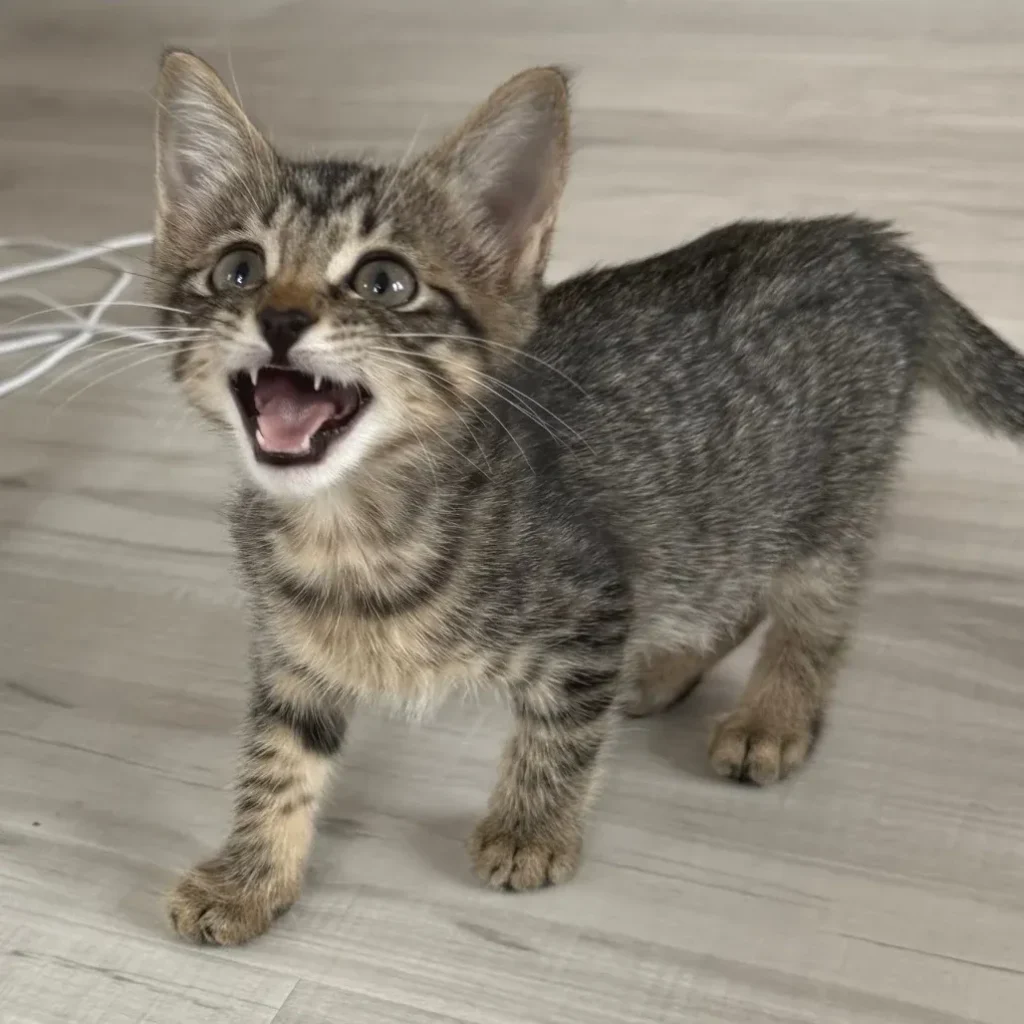
Some cats wait longer for adoption because of age, appearance, shyness, medical history, or how they behave in stressful environments.
That does not mean they are bad pets or poor matches.
In South Florida, many overlooked cats are simply harder to understand during a short visit or online listing. A quiet adult cat, a shy cat in a kennel, or a cat with a small medical note may be passed over even when they could do well in the right home.
Understanding these factors helps adopters look past first impressions and focus on long-term fit.
Key Takeaways: What do “hard to adopt” cats usually have in common?
- Some cats are overlooked because of perception, not personality.
- Adult cats may wait longer even when they are calmer and easier to understand.
- Shy cats often behave differently once they feel safe.
- Medical notes do not always mean complicated care.
- Black cats and plain-looking cats may get less attention online or at events.
- Foster homes help show what a cat is like outside a stressful setting.
Age Is One of the Biggest Factors
Adult cats often take longer to adopt than kittens.
Many adopters start their search looking for a kitten because kittens feel playful, new, and easier to “shape.” But adult cats can be a better fit for many homes because their personalities are already easier to read.
An adult cat may already have steady litter box habits, a known energy level, and a clearer social style. That can make the adoption decision more predictable.
Age affects attention, not worth.
A calm adult cat may be overlooked simply because they are not as visually exciting as a kitten. For adopters who want a steadier companion, that same adult cat may be the better match.
Shy Cats Are Often Misunderstood
Shy cats are adopted more slowly because they may not show well during a first meeting.
A cat who hides, stays still, or avoids touch may look unfriendly. In many cases, that behavior is stress, not personality.
Shelter and intake environments can be loud, busy, and unfamiliar. Maddie’s Fund notes that shelters can be stressful places for dogs and cats, especially for animals with longer stays.
A shy cat may need a quieter space, a consistent feeding routine, and time before their real behavior becomes visible.
For adopters, the better question is not, “Why didn’t this cat come right up to me?”
A better question is, “How does this cat behave once they feel safe?”
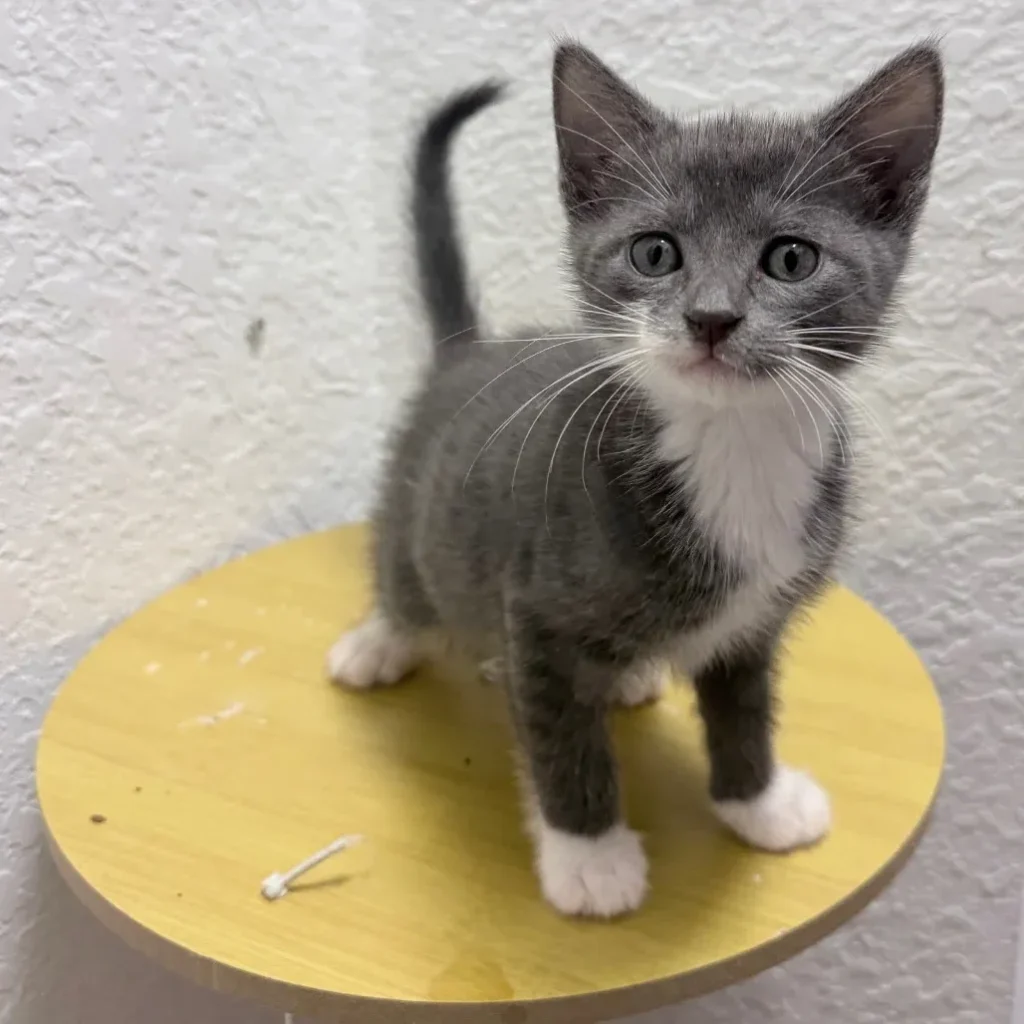
Medical Notes Can Create Hesitation
Cats with medical histories may take longer to adopt because people worry about cost, time, or long-term care.
That hesitation is understandable. Nobody wants to adopt a cat without knowing what care may be needed.
But not every medical note means complex care. Some cats are recovering from a short illness. Some need dental care. Some may need a specific diet or simple medication routine.
The key is clarity before adoption.
Adopters should ask what the condition is, whether it is resolved or ongoing, what daily care looks like, and what future vet care may be expected.
Many cats with medical histories live normal home lives once their needs are understood.
Appearance Can Affect Adoption Speed
Some cats are overlooked because of how they look in photos or cages.
Black cats, dark-coated cats, plain-colored cats, and cats with less distinctive markings may get fewer clicks or less attention during adoption browsing. ASPCA Pet Health Insurance notes that black pets can be overlooked and may stay in shelters longer, even though the idea of “black dog and cat syndrome” is not fully proven.
This is usually a visibility issue, not a behavior issue.
Dark cats can be harder to photograph clearly. Quiet cats may not stand out at events. A cat with a simple coat pattern may be skipped over while adopters focus on flashier markings.
Appearance does not tell you whether a cat will fit your home.
Temperament, routine, energy level, and comfort with people matter much more.
Shelter Behavior Can Be Misleading
Some cats seem harder to adopt because they do not act like themselves in a shelter or intake setting.
Stress can make a friendly cat hide. It can make a playful cat freeze. It can make a calm cat seem withdrawn.
That is why a single first impression should not carry the entire adoption decision.
Ask whether the cat has been in a foster home, how their behavior has changed over time, and what type of environment helps them relax. Those answers give a clearer picture than one short visit.
A quiet cat in a stressful setting may become affectionate, playful, or social once the home feels safe.
Foster Care Helps Overlooked Cats
Foster care helps harder-to-adopt cats by giving them a home setting where their real behavior is easier to see.
In a foster home, a cat can settle into routine. Eating, sleeping, hiding, playing, and interaction patterns become easier to observe.
Maddie’s Fund describes home-based foster care as a way shelters may reduce stress for pets compared with shelter housing.
For adopters, foster notes can answer practical questions:
- Does the cat like attention?
- Does the cat need a quiet home?
- How does the cat respond to routine?
- Is the cat playful once comfortable?
- Does the cat prefer space at first?
That information helps us match cats with homes more accurately.
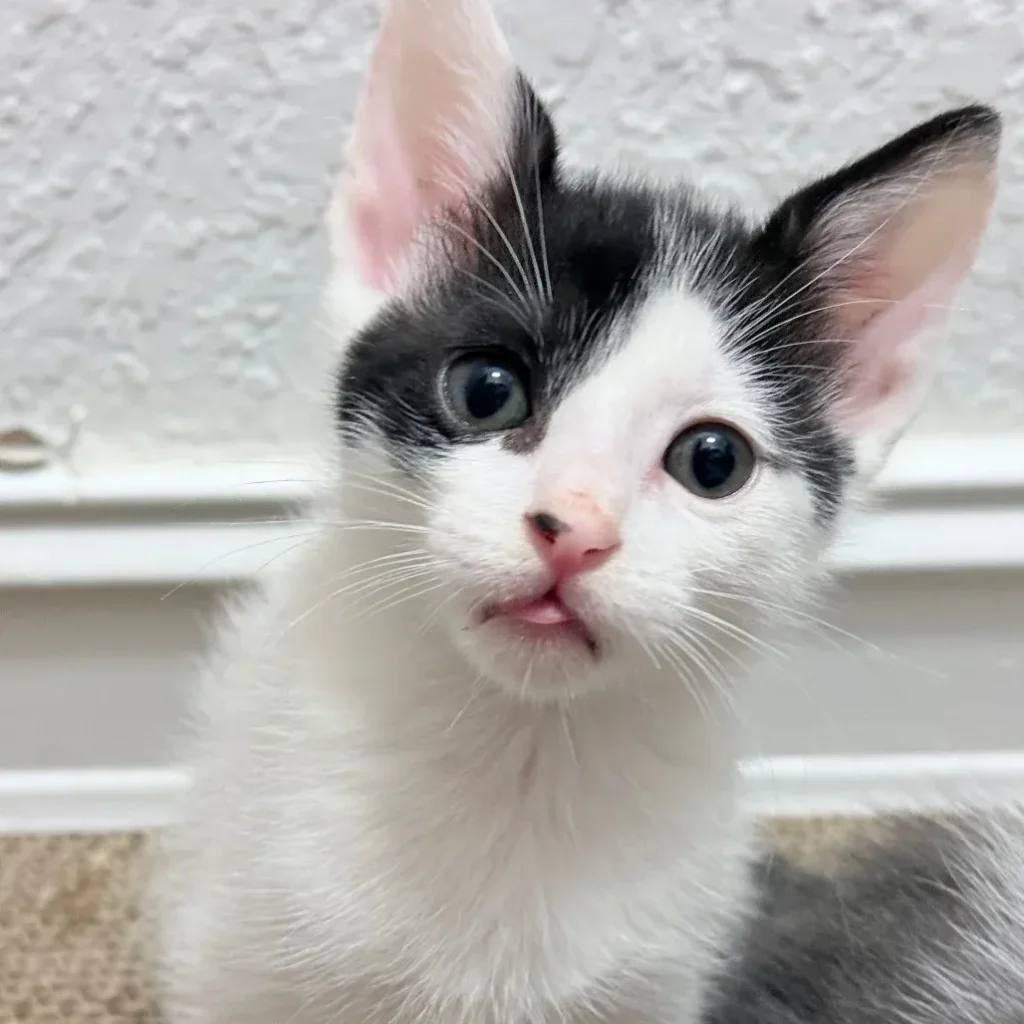
Cats that seem harder to adopt are often affected by timing, stress, appearance, age, or misunderstood behavior.
Those factors may change how quickly a cat is noticed, but they do not define what life with that cat will be like.
For adopters in South Florida, the goal is to look beyond the first impression and ask better questions about fit, routine, and long-term expectations.
If you are considering adoption, you can review our adoption process to learn how Happy Whiskers helps match local cats with the right homes.