
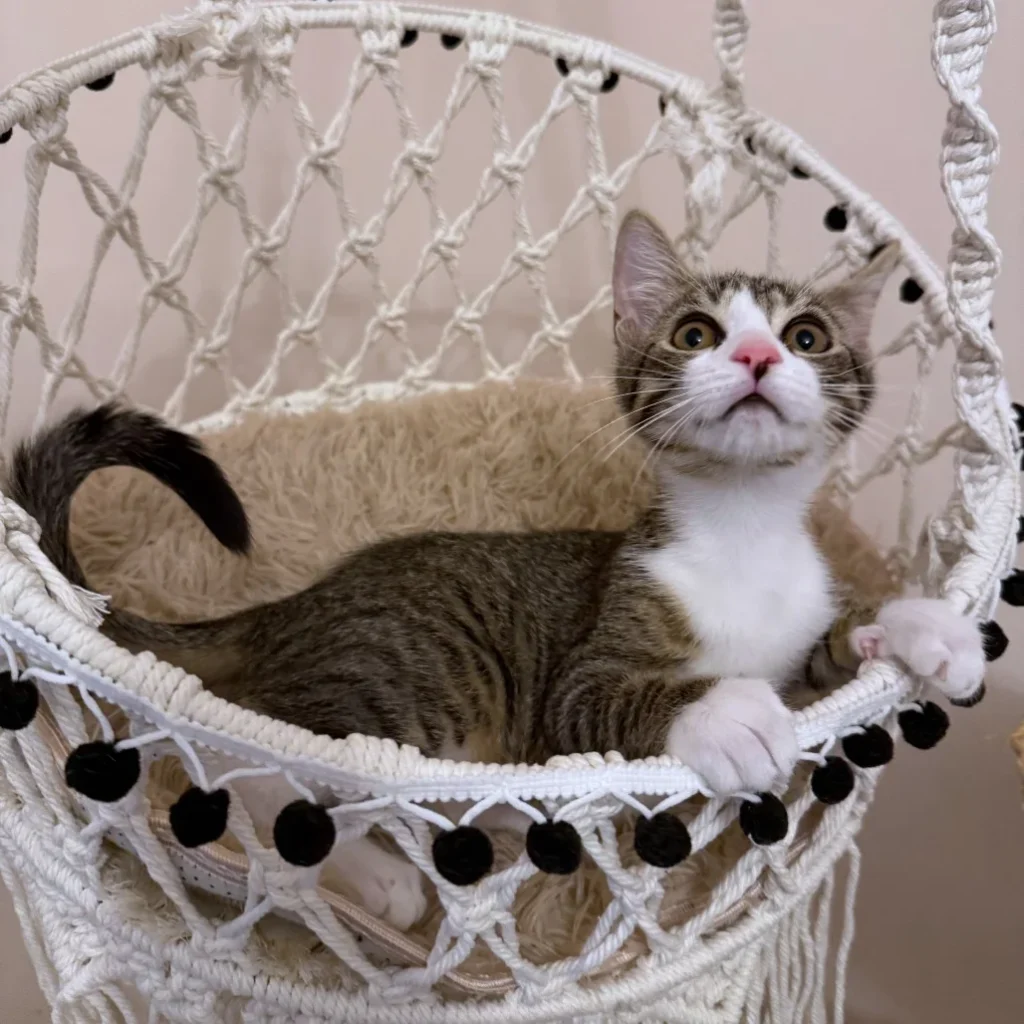
A foster-based rescue works through a network of foster homes, volunteers, and coordinators instead of one central shelter building. Cats live in temporary homes, but there is still transport to arrange, supplies to distribute, adoption information to update, and veterinary care to coordinate.
In South Florida, volunteers help us handle that work so foster families can focus on the cats in their care. Someone who cannot foster may still be able to drive a cat to an appointment, help at an adoption event, prepare a cat’s bio, or coordinate a behind-the-scenes task.
Here is where volunteers fit into a foster-based rescue and what that help looks like in practice.
Key Takeaways: How Can Volunteers Support a Foster-Based Rescue?
- You do not need to foster cats to volunteer with a foster-based rescue.
- Volunteers can help with transport, adoption events, photos and bios, TNR, supply pickup, and behind-the-scenes coordination.
- Reliable volunteer help keeps routine tasks from falling entirely on foster families and rescue coordinators.
- Many roles can fit around work or school because they are tied to specific tasks, events, or scheduled needs.
- Practical help with one assigned responsibility is often more useful than taking on several roles you cannot consistently cover.
What Is a Foster-Based Rescue?
A foster-based rescue cares for cats and kittens in temporary homes rather than housing every animal in a central shelter. The rescue still has to coordinate medical care, supplies, records, adoption preparation, and placement for each cat.
That creates a lot of handoffs.
A cat may move from intake to a foster home, travel to a veterinary appointment, return to foster care, attend an adoption event, and eventually go home with an adopter. Food, litter, carriers, medical information, photos, and updates also need to reach the right person along the way.
Volunteers help us cover those individual tasks.
If you want a broader look at the types of roles available locally, our guide to volunteering with a cat rescue in Broward County explains how rescue volunteering can fit different schedules and abilities.
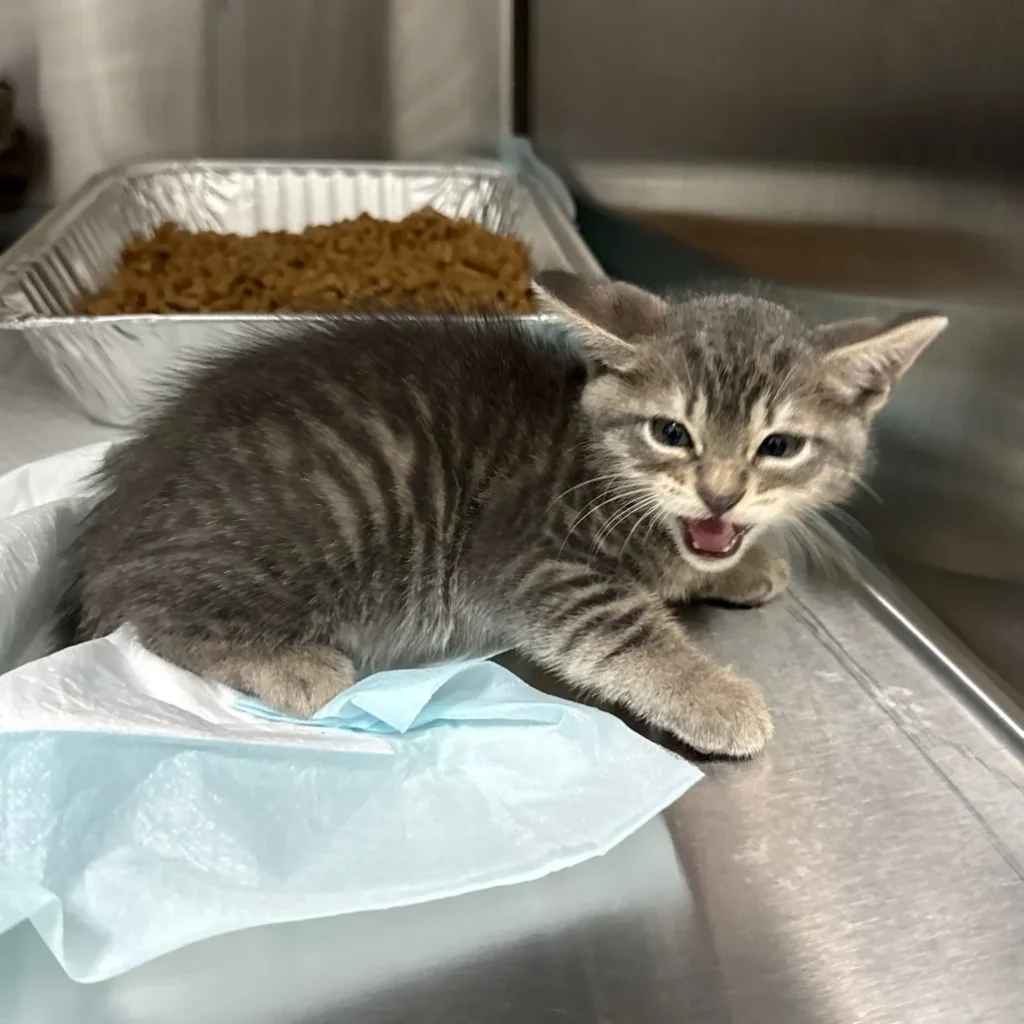
Volunteers Help Keep Rescue Work Organized
A large part of foster-based rescue happens between the obvious moments of intake and adoption.
Vet appointments need transport. A foster may need a crate or litter. Photos and personality notes need to be collected before an adoption listing can be updated. Event coverage has to be confirmed. Volunteer hours and paperwork may need to be tracked.
When one of these tasks is missed, another person usually has to stop what they are doing and cover it.
Behind-the-scenes volunteers can help respond to messages, process information, update records, organize supplies, prepare adoption content, or coordinate a specific part of the rescue process. These roles are especially useful for people who cannot keep cats in their home but are comfortable communicating and following through on assigned tasks.
Volunteers Take Pressure Off Foster Homes
Foster families already handle the cat’s daily care. Depending on the placement, that may include feeding kittens several times a day, monitoring weight or litter box habits, giving approved medication, taking photos, or helping a shy cat adjust to a home.
They should not also have to handle every rescue task around that cat.
A volunteer may pick up supplies, drive a cat to an approved veterinary appointment, help take better adoption photos, or cover an event where the cat is being introduced to potential adopters.
At Happy Whiskers Animal Coalition, we provide our foster families with supplies, approved medical care, and ongoing guidance. Volunteer help gives us another way to keep those foster homes supported without asking the same few people to handle every pickup, transport, and event.
That matters because foster home capacity is limited. Keeping current foster families supported helps us maintain placements for cats already in care.
Volunteers Help Adopters See Who a Cat Really Is
Cats change in foster care.
A kitten who hides during the first few days may be following their foster around the house two weeks later. A cat initially described as quiet may turn out to be highly playful once settled.
Adoption listings need to reflect those changes.
Volunteers can help collect photos and notes from foster families, write clear bios, prepare social media posts, and keep adoption information current. The goal is not to make every cat sound perfect. Adopters need useful details about personality, activity level, and the type of home where the cat may do well.
Clear information helps local adopters make better decisions before asking about a cat.
Volunteers Make Local Events and Outreach Easier to Run
Adoption events require people to set up, monitor cats, answer basic questions, speak with visitors, and pack everything up afterward. If every rescue coordinator and foster is occupied with event logistics, it becomes harder to focus on adoption conversations and cat care.
Volunteers help cover those practical gaps.
The same applies to community outreach. Volunteers may prepare flyers, share approved adoption posts, help organize donated supplies, or support TNR work in assigned areas.
Travel also matters in Broward County and nearby South Florida communities. A transport between Coral Springs and a veterinary appointment elsewhere in the county can take a significant part of someone’s day. Having volunteers in different areas can make it easier to coordinate pickups and appointments without relying on one person for every drive.
You Can Volunteer Even If You Cannot Foster
You do not need space for a foster cat to help a foster-based rescue.
Some of our volunteer roles involve direct animal contact. Others can be handled remotely or during a scheduled event. We also have roles built around specific rescue needs, including TNR support, transport coordination, social content, photos and bios, adoption events, recruiting, and short-term foster support.
The time commitment depends on the role. Transport may be tied to a specific appointment. An adoption event may require a scheduled shift. Some coordination work can be handled remotely for a few hours each month.
We ask volunteers to be clear about their availability because it helps us assign work that they can actually cover. One person who reliably handles a specific task is easier to coordinate with than someone who volunteers for several responsibilities and frequently has to cancel.
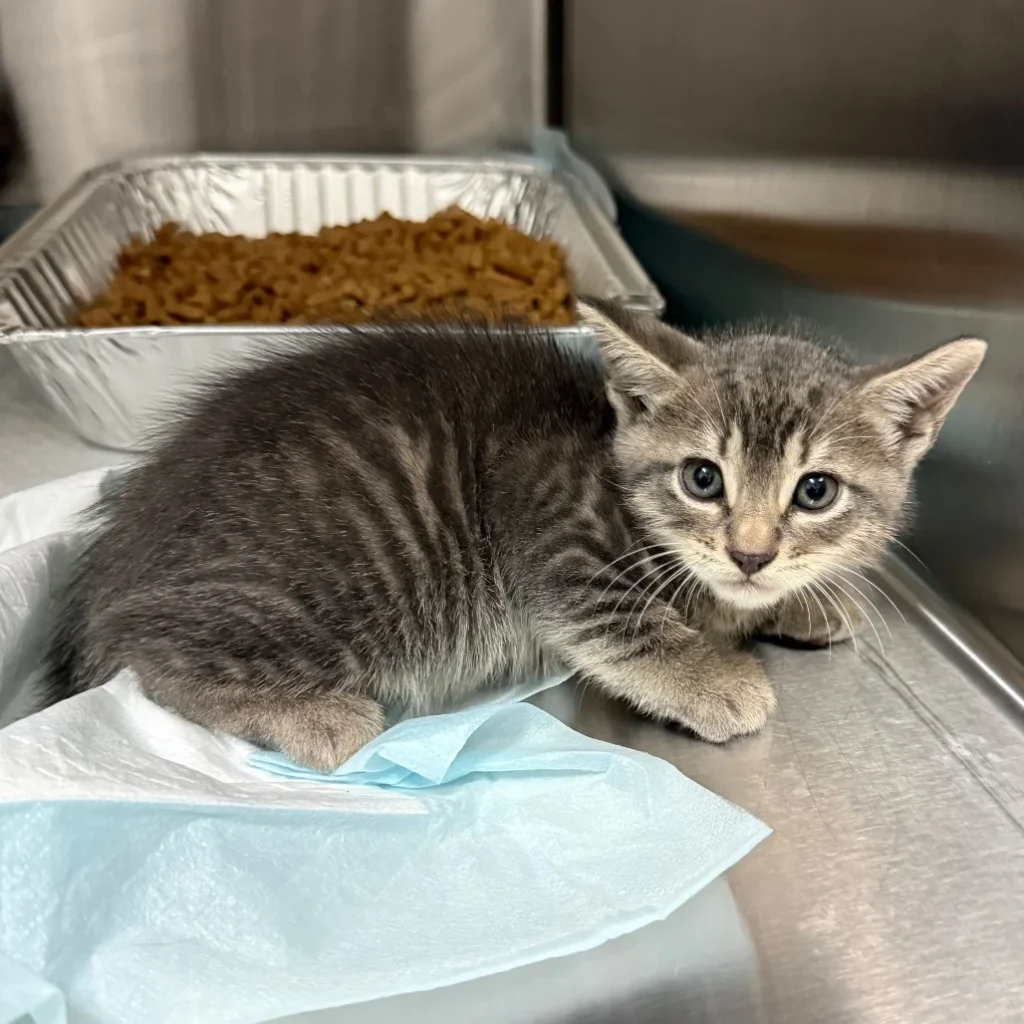
Thinking About Supporting a Foster-Based Rescue in South Florida?
Think about the type of task you can reliably handle.
Do you drive and feel comfortable transporting cats? Are you good at taking photos or writing short bios? Would you rather help at an event once or twice a month? Do you prefer organizing information or coordinating with people remotely?
You do not need to decide that you can do everything.
If you want to help Happy Whiskers Animal Coalition, you can review our volunteer opportunities and tell us about your availability and the type of work you are comfortable doing. We use that information to help match volunteers with current rescue needs.