
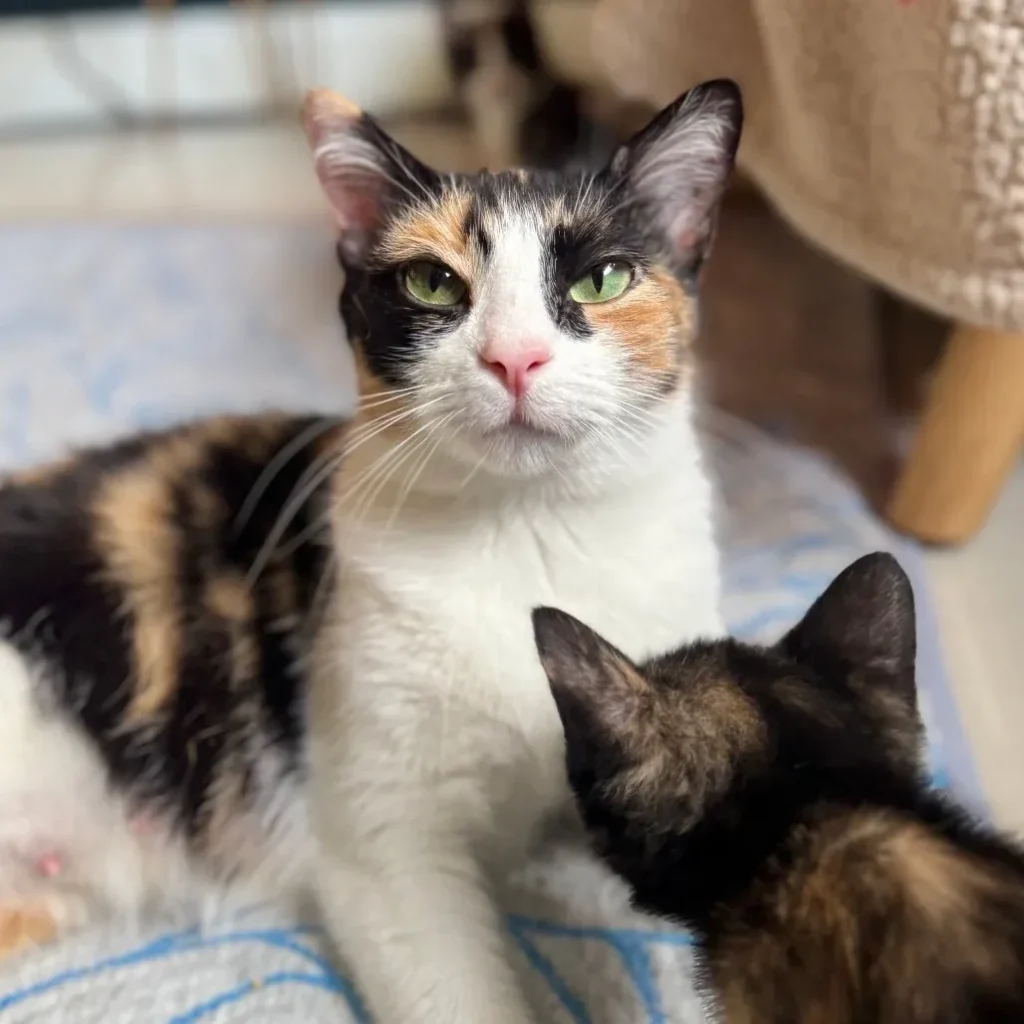
A cat entering rescue care may need a foster home, transportation to a veterinary appointment, food and litter, or someone to prepare their adoption information.
One person rarely handles every part of that process.
For Happy Whiskers Animal Coalition, community support for rescue cats in Broward County means having people available to cover specific needs as cats move through foster care and toward adoption.
This article explains where that help is used and what you can do if you want to get involved.
Key Takeaways: How Can You Help Rescue Cats in Broward County?
- Foster homes give cats temporary places to stay while they receive care and prepare for adoption.
- Volunteers help with transport, events, supplies, communication, and administrative work.
- Donations provide food, litter, carriers, cleaning supplies, and other items used in foster homes.
- Adoption may reopen an occupied foster placement for another cat.
- Sharing accurate rescue posts helps foster requests and adoptable cats reach more local people.
- The most useful help covers a specific task the rescue currently needs.
Community Support Gives Rescues More Options
Rescue capacity depends on what resources are available when a cat needs help.
If a litter needs placement, we need an appropriate foster home. If a cat has a veterinary appointment on a weekday morning, the foster or a transport volunteer needs to get them there. If donated supplies are available, someone may still need to pick them up and deliver them to the foster using them.
Community support gives us more ways to solve those individual problems.
For example, one available foster may give a cat somewhere to stay. A volunteer covering transport can prevent a foster from missing work. Someone handling supply pickup may get litter and food to several foster homes.
Our guide to volunteering with a cat rescue in Broward County explains more about the local work happening around foster placements.
Foster Homes Create Temporary Care Space
For a foster-based rescue, an open foster home creates another possible placement.
The type of home matters.
A foster with a quiet spare room may be able to care for a shy adult cat. Someone with kitten experience and a flexible schedule may be better suited for young kittens needing closer monitoring. A home with resident pets may need separate space before accepting a new cat.
Many placements last a few weeks, depending on the cat’s age, health, and adoption readiness.
During that time, the foster provides daily care and tells us about changes in eating, litter box use, behavior, and activity. We coordinate approved veterinary care, provide care instructions and supplies, and handle the adoption process.
Foster homes directly affect which cats we have somewhere appropriate to place.
Volunteers Cover the Work Around Foster Care
Foster families cannot always handle every appointment, supply run, or rescue task connected to the cat in their home.
Volunteers help cover that work.
A volunteer may drive a cat from Coral Springs to a scheduled veterinary appointment, pick up donated supplies, help prepare an adoption event, process paperwork, or respond to routine messages.
Timing matters for many of these tasks.
A 10 a.m. veterinary appointment cannot always move because a volunteer’s schedule changes. Event setup needs to happen before cats and potential adopters arrive. Supplies may be needed before a new foster placement begins.
We ask volunteers to be clear about availability and transportation so we can assign work they can follow through on.
If you want to help without fostering, you can review our volunteer opportunities and tell us what type of work fits your schedule.
Donations and Supplies Cover Daily Foster Needs
Cats in foster care use food, litter, bedding, carriers, and cleaning supplies every day.
A foster caring for several kittens may go through wet food and litter quickly. Clean bedding may need to be changed several times a day. Another foster may need a secure carrier before an upcoming appointment.
Financial donations may also help cover approved veterinary care, medications, testing, and other cat-specific expenses.
Before donating a large amount of supplies, ask what is currently needed.
The rescue may already have plenty of one item, need a specific kitten supply, or lack storage for bulky equipment. Coordinating first helps us move usable items to the foster homes that need them.
Adoption Can Reopen an Occupied Foster Home
When a cat is adopted, the foster placement they occupied may eventually become available for another cat.
That affects rescue capacity.
A foster home caring for an adult cat cannot always add a litter of kittens or another adult simply because a new intake request arrives. The current cat still needs daily care and space until adoption.
After an adoption, the foster may be ready for another placement. They may also need a break or only be available for certain types of cats.
This is why a completed adoption can affect the next intake decision without automatically creating immediate space.
Sharing Rescue Posts Helps the Right Information Travel
Foster-based rescues rely heavily on online visibility because there is no central shelter where people can walk through and see every available cat.
Sharing original rescue posts can help an adoptable cat or foster request reach people outside our existing audience.
Keep the original information attached.
If a post says a cat needs a quiet home, should not live with dogs, or must be adopted with another cat, those details should not disappear when the post is shared.
The same applies to foster requests. A request for someone experienced with young kittens is different from a general request for an adult cat placement.
Accurate sharing helps the post reach people who may actually fit the need.
Thinking About Supporting Rescue Cats in Broward County?
Think about which rescue task you can reliably cover.
If you cannot bring a cat home, you may be able to handle a weekend transport or adoption event shift. If you have a separate room and can provide daily care, fostering may be possible. If your schedule changes frequently, a supply or administrative task may fit better than an appointment-based role.
Specific availability helps us plan.
“I can help with weekend transports in northern Broward County” gives us more useful information than “I’ll help with anything.”
At Happy Whiskers Animal Coalition, we use those details to understand where a volunteer may fit and which work we can reasonably ask them to handle.
How Community Support Helps Rescue Cats
Community support helps rescue cats in Broward County by covering the practical work between intake and adoption.
Cats need foster placements. Veterinary appointments need transportation. Foster homes need supplies. Adoption events need coverage. Cat information and foster requests need to reach local people accurately.
You do not need to handle every part of that process.
If you want to help cats in South Florida, choose a task you can reliably cover and tell us what your availability looks like. You can see how to get involved with Happy Whiskers and review our current volunteer opportunities.