
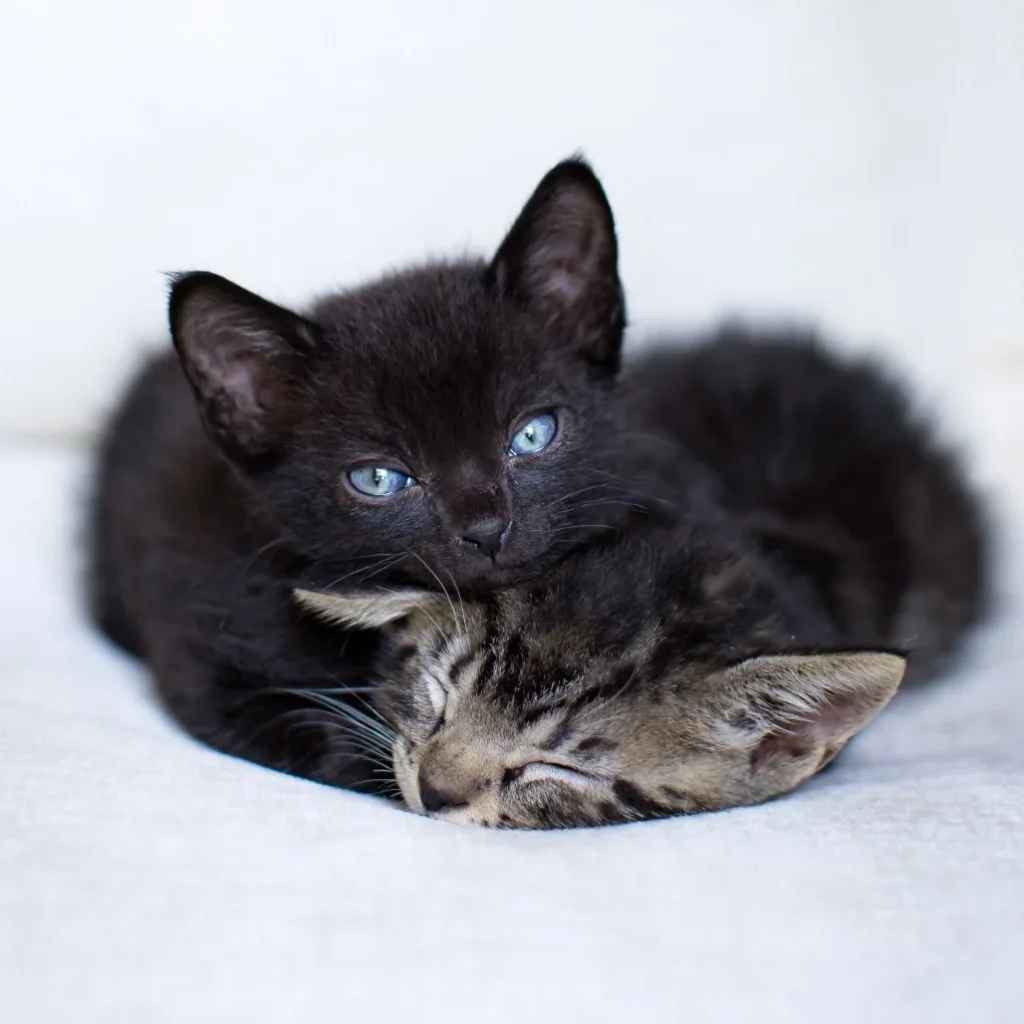
In South Florida, cat rescue often starts before a cat is ready for adoption.
We may hear about kittens near an apartment building, an injured cat at a feeding location, or a friendly stray that has suddenly appeared in a neighborhood. Before anyone can discuss adoption, we need to understand the cat’s age, health, behavior, and current situation.
That earlier work is a large part of community cat rescue.
For Happy Whiskers Animal Coalition, helping community cats can involve TNR, transport, foster placement, veterinary coordination, and eventually adoption for cats suited to indoor homes. The path depends on the cat in front of us.
Key Takeaways: What Should You Know About Community Cat Rescue?
- Community cat rescue often begins with cats already living outdoors or being found in local neighborhoods.
- Friendly strays, young kittens, and unsocialized adult cats may need different responses.
- Foster care is used when an appropriate cat needs temporary indoor placement before adoption.
- TNR helps address community cats that are not suited to indoor adoption.
- Volunteers can help with trapping, transport, coordination, adoption content, and events without keeping a cat in their home.
What Community Cat Rescue Means
Community cat rescue deals with cats found outside shelters and established rescue care.
These cats may live near apartment complexes, businesses, residential streets, or outdoor feeding areas. Some are kittens born outside. Others are friendly cats with no known owner. Some adult cats have lived outdoors for a long time and avoid close contact with people.
We do not assume they all need the same outcome.
A friendly adult cat may need a microchip scan and evaluation before foster placement is considered. Young kittens may need socialization and indoor care. An unsocialized adult community cat may be better suited for Trap-Neuter-Return, or TNR.
The first step is understanding the individual cat’s situation.
Our guide to volunteering with a cat rescue in Broward County explains several of the local roles that help us respond to these cases.
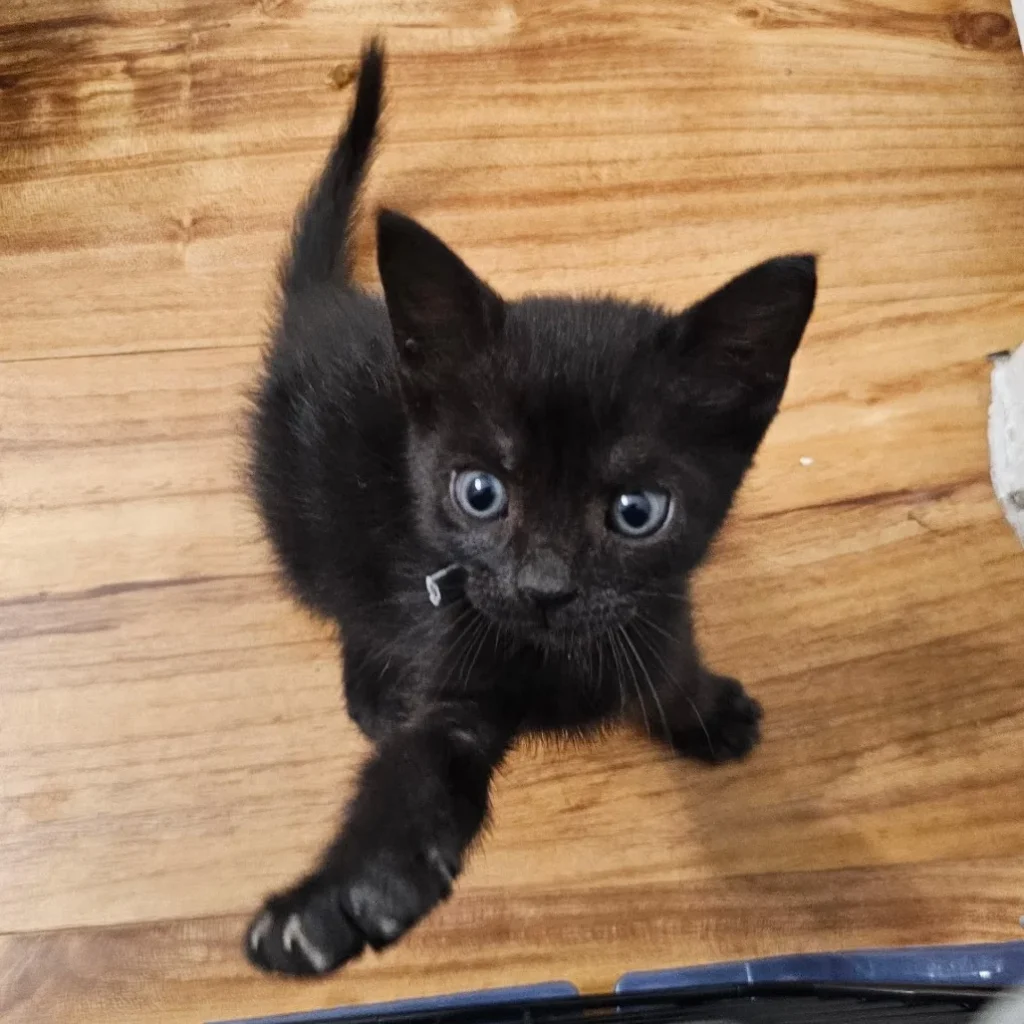
South Florida’s Climate Extends Community Cat Rescue Needs
South Florida’s long warm season affects how often we hear about outdoor cats and kittens.
Kitten activity can extend across more months than it does in colder areas. We may hear about one litter during the spring and another later in the year when foster homes, supplies, and veterinary appointments are already committed to cats in care.
Outdoor cats are also active throughout the year.
In Broward County, cats may be reported around apartment communities, shopping plazas, parking lots, and residential areas. Residents, property staff, and community feeders are often the first people to notice a new litter, an injured cat, or a friendly cat that has recently appeared.
Those local observations give us information we need before deciding what type of help may be appropriate.
Community Cat Rescue Starts Earlier Than Adoption
An adoption listing shows a cat near the end of the rescue process.
Community cat rescue often starts much earlier.
A cat may first need to be safely contained and checked for identification. We may need photos, information about where the cat was found, and details about how the cat behaves around people. Veterinary care and foster availability may also need to be coordinated.
For example, a friendly cat found near a Broward County apartment complex cannot automatically be treated as an unowned cat ready for adoption. The circumstances need to be reviewed first.
A young kitten creates a different set of questions. How old is the kitten? Has a mother cat been seen? Is the kitten injured or in immediate danger? Is the kitten socialized enough for foster care?
These details affect the rescue plan before adoption is even considered.
Foster Homes Are Used When Cats Need Indoor Placement
Some community cats need a temporary indoor home.
This commonly includes kittens, nursing mothers, friendly cats being prepared for adoption, and cats that need an appropriate place to recover during approved medical care.
Happy Whiskers is foster-based, so we need an available foster home before placing a cat indoors.
A foster may care for a litter while the kittens grow and prepare for adoption. Another foster may give a friendly adult cat time to settle so we can learn more about their behavior in a home.
Fosters also give us practical updates. Appetite, litter box habits, activity, and changes in behavior are much easier to monitor when someone sees the cat every day.
Not every outdoor cat enters foster care. Foster placement is one part of community cat rescue and is used when it fits the individual cat’s needs and our available space.
TNR Is a Different Path for Unsocialized Community Cats
Some adult outdoor cats are not comfortable living closely with people.
For these cats, forcing an indoor adoption path may not be appropriate. Trap-Neuter-Return addresses the outdoor population differently.
Through TNR, community cats are humanely trapped, sterilized, and returned to their outdoor area after the appropriate process. Organized TNR work helps prevent additional litters and allows rescuers to focus foster space on cats suited to indoor care and adoption.
At Happy Whiskers, TNR volunteers work with assigned colonies and receive training and equipment for the role.
This work requires follow-through. Trapping has to be coordinated with appointments, cats must be tracked, and colony progress matters. Our goal is to work toward sterilizing the entire assigned colony rather than trapping one cat and moving on.
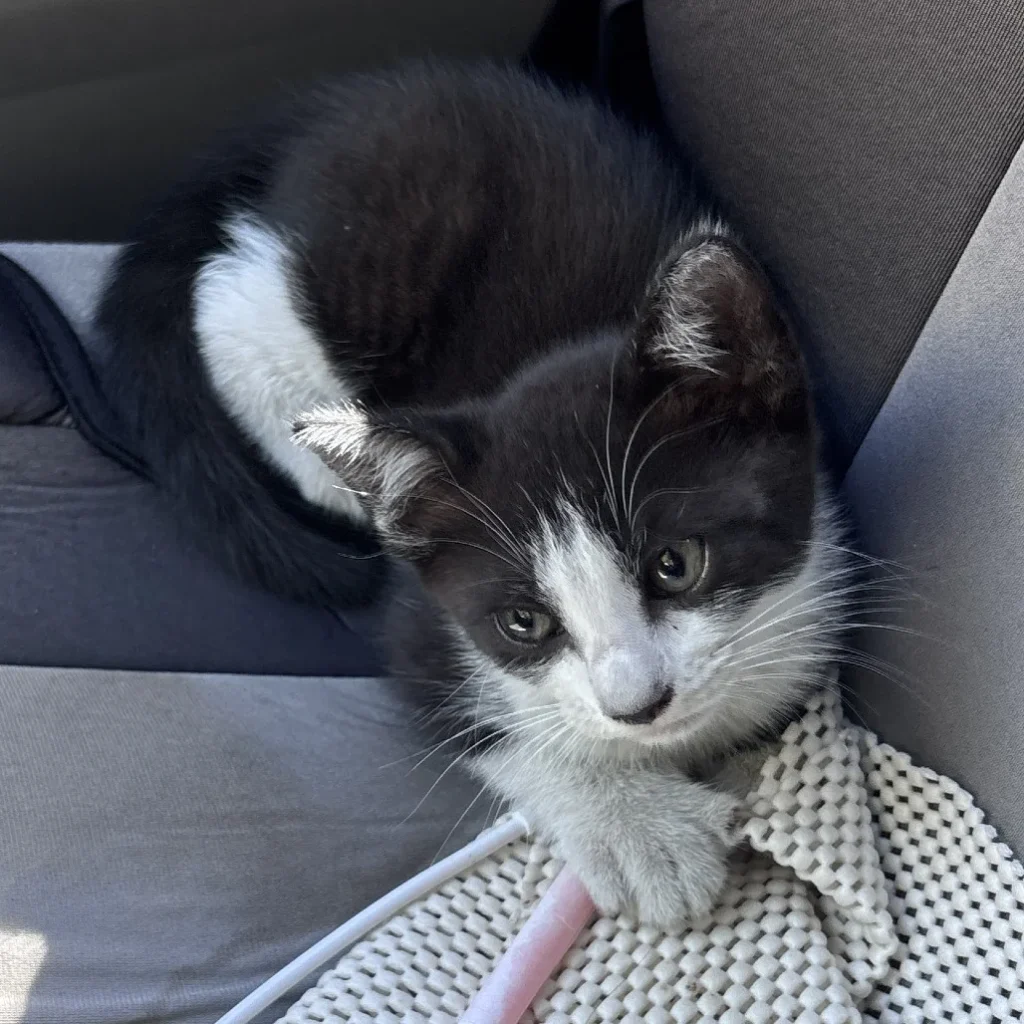
Volunteers Handle the Work Between Each Rescue Step
Community cat rescue creates a lot of individual tasks.
A trap may need to be picked up. A cat may need transport to an appointment. Supplies may need to reach a foster. Photos and personality notes need to be prepared for an adoption listing. An event may need additional coverage.
Those tasks do not all need to be handled by the foster or the person who first found the cat.
Our volunteers help with TNR trapping, transport coordination, social content, photos and bios, adoption events, recruiting, and short-term foster support. Some roles involve cats directly. Others are largely remote.
For someone who cares about community cats but cannot bring one home, covering one of these tasks can solve a specific problem in an active rescue case.
Adoption Comes After the Earlier Rescue Work
For adoptable community cats, adoption is often the final step after weeks of earlier work.
A kitten may have entered foster care too young for adoption. A friendly adult cat may have needed medical care and time in a home before we understood their personality.
Once a cat is ready and adopted, the foster home may become available for another appropriate placement.
That turnover matters in a foster-based rescue. We do not have unlimited indoor space. A cat completing the rescue process can open a foster spot for the next kitten, nursing mother, or friendly stray that needs temporary care.
Thinking About Helping Community Cats in South Florida?
You do not need to personally handle every stage of a community cat case.
If you are comfortable with hands-on work, TNR or event support may be a fit. If you drive, transport coordination may be useful. If you prefer remote tasks, photos, bios, social content, or recruiting may fit better.
We ask volunteers about their availability and the type of work they can reliably cover so we can match them with current rescue needs.
If you want to help with community cat rescue in Broward County, you can review our volunteer opportunities.